15 Best Kids Bedroom Color Combinations
This site contains affiliate links. I may earn a small commission, at no extra cost to you.
Introduction
Picking the right Kids Bedroom Color Combinations feels weirdly stressful, doesn’t it? One minute you want a dreamy Pinterest-worthy room, and the next minute your kid suddenly decides they “only like neon green now.” Fantastic. Tiny interior designers can humble anyone.
I’ve helped friends, cousins, and honestly even myself struggle through kids’ room makeovers more times than I can count. And here’s the thing most people realize too late: the color combination matters more than the furniture. A cheap room with the right colors feels magical. An expensive room with clashing shades feels like a toy store exploded.
The good news? You don’t need an interior design degree or unlimited patience. You just need color combinations that actually work for kids, grow with them, and don’t make your eyes tired after five minutes.
In this guide, I’ll walk you through the best Kids Bedroom Color Combinations, why they work, and how to use them without turning the room into visual chaos. Because yes, kids love color. But that doesn’t mean every wall needs to scream for attention.
Why Kids Bedroom Color Combinations Matter So Much
Most people think kids only care about toys and cartoons. Not true. Kids react strongly to color, even if they can’t explain it.
Bright colors energize them. Soft tones calm them down. Balanced combinations help a room feel cozy instead of overwhelming. Ever walked into a room and instantly felt relaxed? Color did that.
I noticed this when my nephew switched from a bright red room to soft blue and beige tones. His room suddenly felt calmer. Even bedtime arguments decreased a little. Not completely, obviously. Let’s not expect miracles from paint.
Colors Affect Mood and Sleep
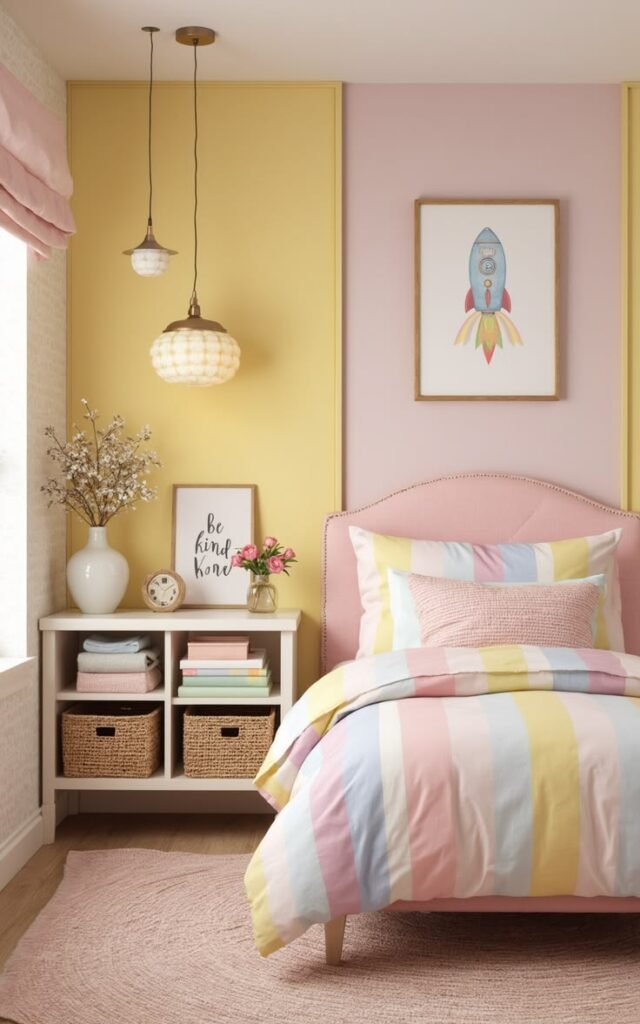
The best Kids Bedroom Color Combinations create balance. You want enough personality to keep the room playful but enough softness to help kids relax.
Here’s what different color families usually do:
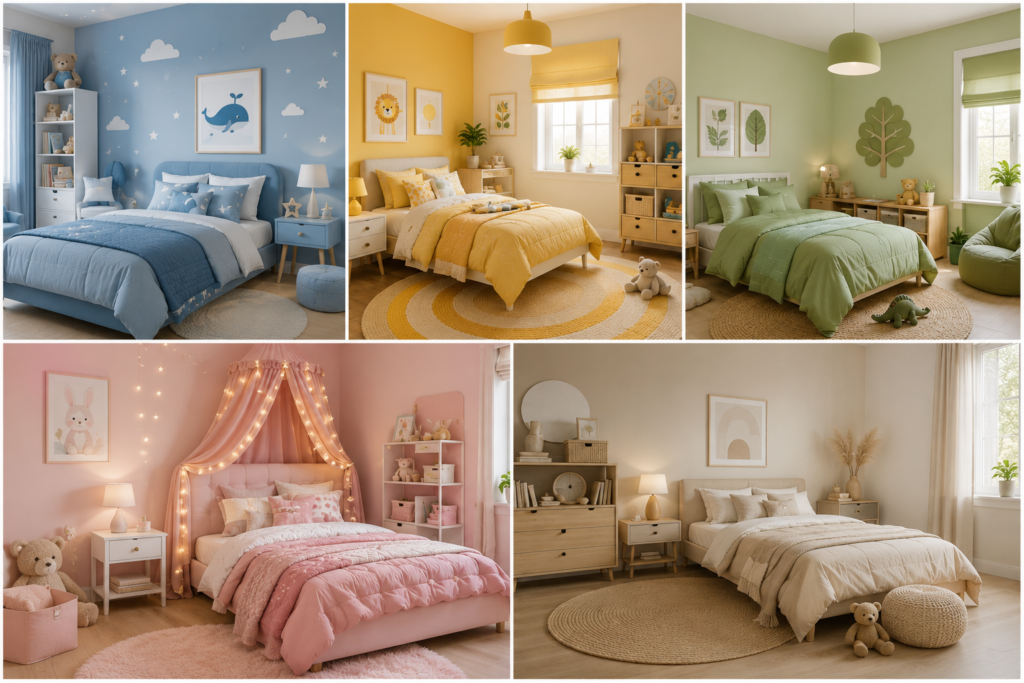
- Blue tones feel calming and peaceful
- Yellow shades feel cheerful and energetic
- Green combinations feel fresh and balanced
- Pink palettes feel cozy and warm
- Neutral colors help rooms feel timeless
Too many intense colors can overstimulate kids. That’s why rooms packed with bright red, neon orange, electric blue, and lime green often feel exhausting. Fun for ten minutes. Terrible for everyday life.
“Color is a power which directly influences the soul.”
— Wassily Kandinsky
Honestly, Kandinsky knew what he was talking about.
How to Choose the Right Kids Bedroom Color Combinations
Before you grab paint samples like a contestant on a game show, slow down for a second. The best rooms follow a strategy.
Think About Your Child’s Personality
Does your child love calm spaces or high-energy environments?
A quiet reader might enjoy sage green and cream. A super energetic kid may love navy and mustard accents. Color should support personality, not fight it.
I always tell parents this: don’t only choose colors your child likes today. Choose colors they can grow with for years.
Because repainting every year? Absolutely not.
Balance Bright Colors With Neutrals
This mistake happens constantly. Parents choose three loud colors and wonder why the room feels chaotic.
The trick is balance.
Use:
- One dominant color
- One secondary color
- One neutral shade
For example:
- Dusty blue
- Warm white
- Soft mustard accents
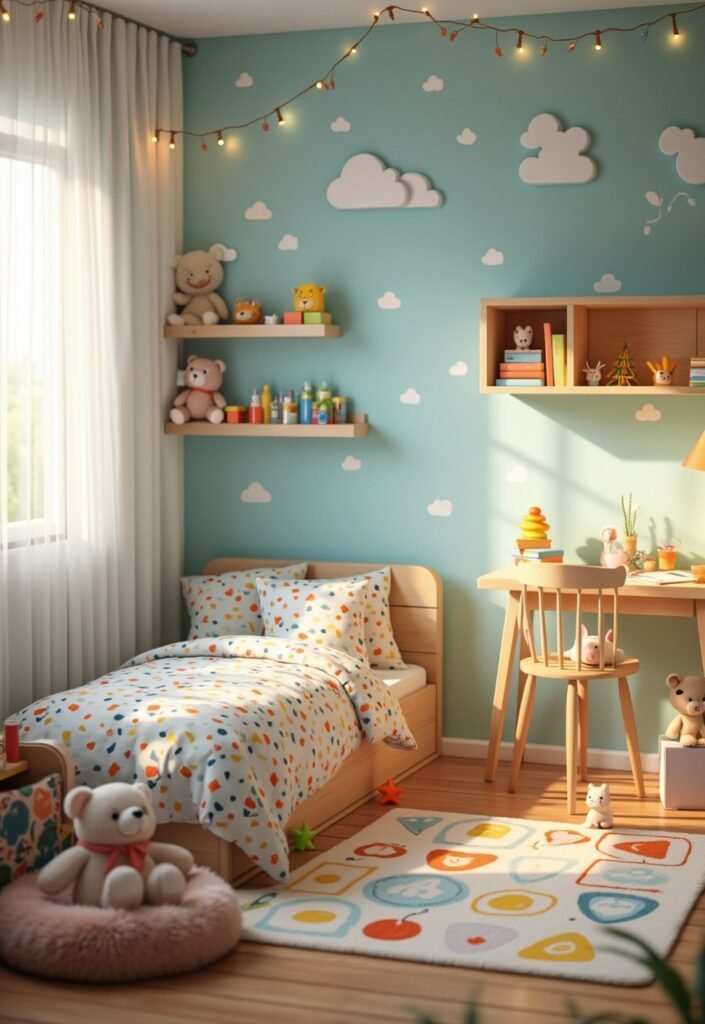
That combination feels playful without looking like a carnival.
Consider Natural Light
Natural light changes everything. Seriously.
A dark room needs lighter tones to feel open. A bright room can handle deeper shades like forest green or navy.
North-facing rooms often feel cooler, so warmer tones help balance them. South-facing rooms usually get warm sunlight, making cooler colors look amazing.
“The best rooms have something to say about the people who live in them.”
— David Hicks
That quote perfectly fits kids’ bedrooms. These spaces should feel personal, not copied straight from a catalog.
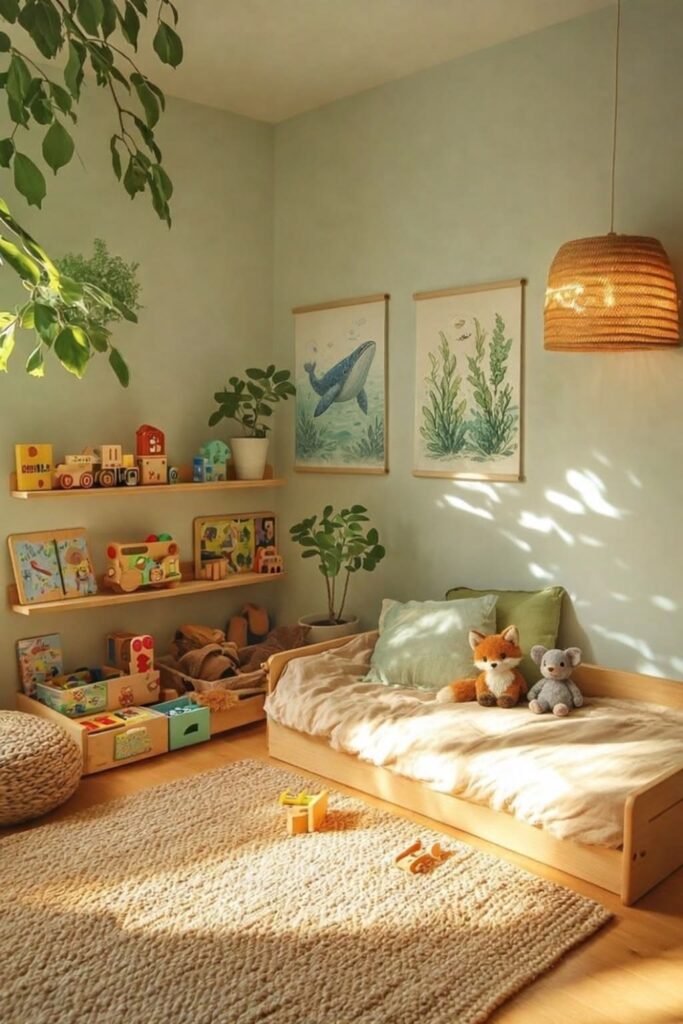
What Makes the Best Kids Bedroom Color Combinations Work?
Some combinations instantly look polished while others feel messy. Why?
Because good color palettes create contrast and harmony at the same time.
The 60 30 10 Rule Works Every Time
Interior designers use this constantly because it works.
Here’s the breakdown:
- 60% dominant color for walls
- 30% secondary color for bedding or furniture
- 10% accent color for decor and accessories
Simple. Effective. Zero design degree required.
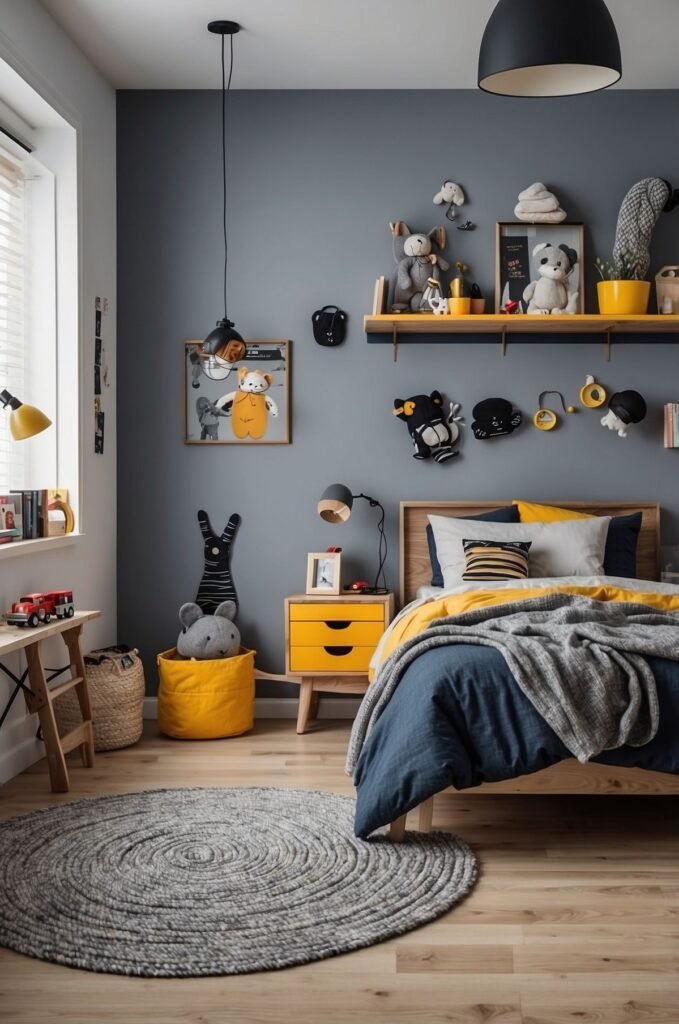
For example:
- Soft gray walls
- Navy bedding
- Yellow accents
Boom. Stylish kids room without trying too hard.
Warm and Cool Tones Need Balance
Ever seen a room that feels “off” but you can’t explain why? The tones probably clash.
Warm colors include:
- Beige
- Cream
- Peach
- Terracotta
Cool colors include:
- Blue
- Green
- Gray
Mixing warm and cool tones carefully creates depth. Too much of one side can make the room feel cold or overly intense.
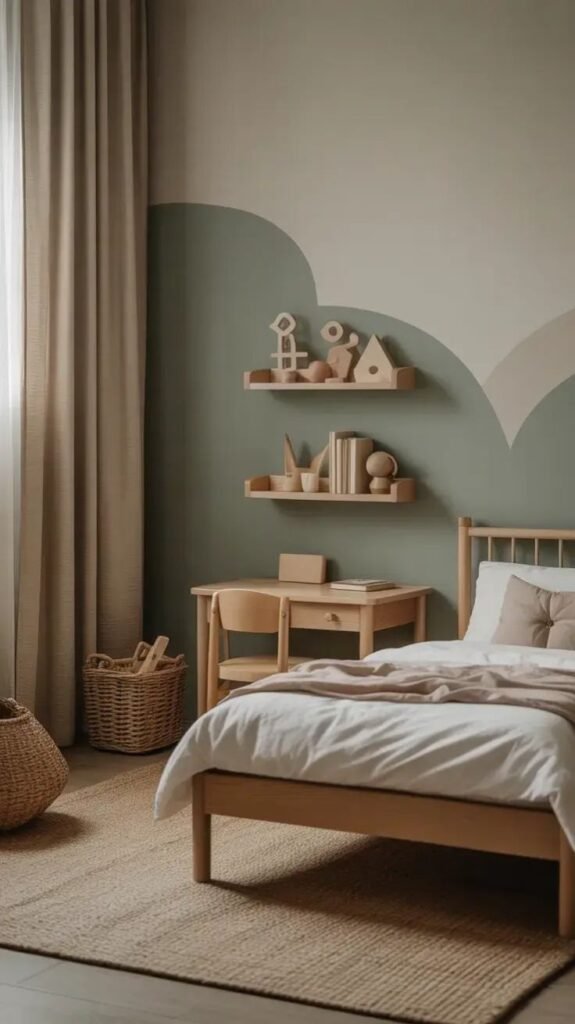
Timeless vs Trendy Kids Bedroom Color Combinations
Trends move fast. Kids move faster.
One year everyone wants rainbow rooms. The next year it’s earthy neutrals. Then suddenly checkerboard walls appear everywhere like we’re all living inside a chess board.
Trendy Colors Look Great But Age Quickly
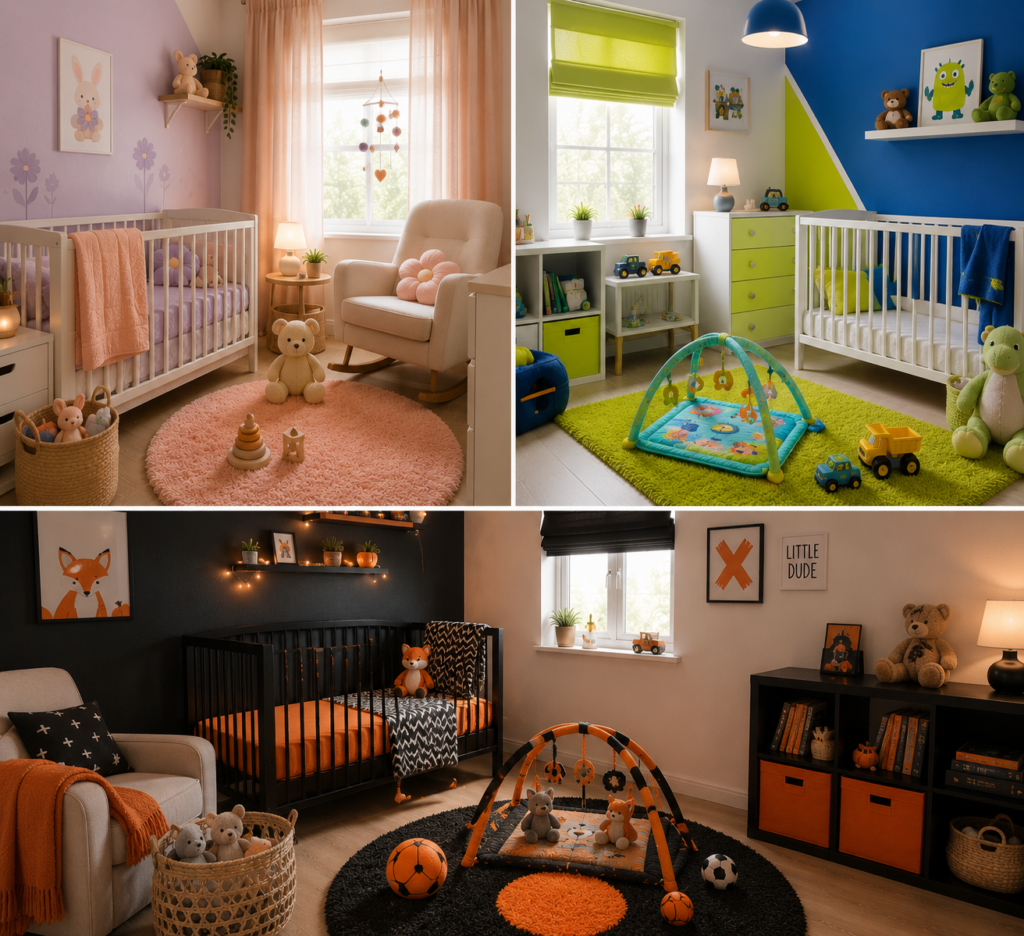
Trendy combinations can feel exciting:
- Lavender and peach
- Neon blue and lime
- Black and orange
But some trends disappear fast. Very fast.
If you want longevity, keep trendy colors in:
- Pillows
- Rugs
- Wall art
- Bedding
Keep walls more timeless.
Timeless Color Combinations Save Money
Classic palettes survive changing tastes much better.
Some examples:
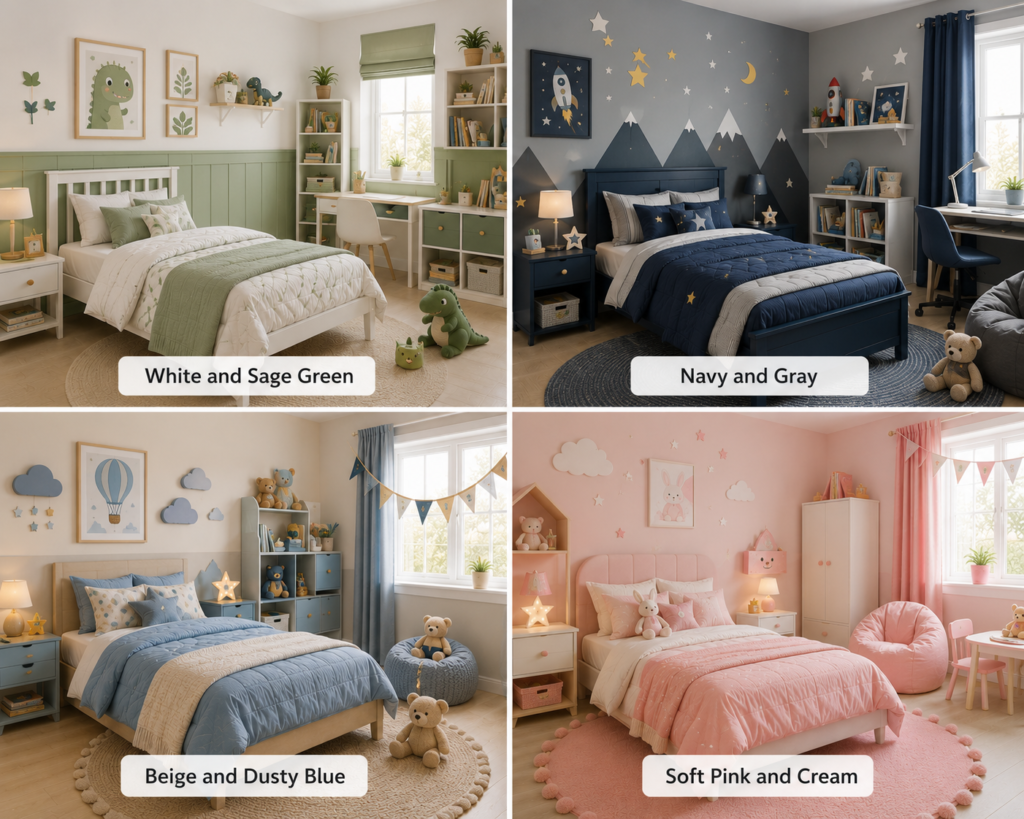
- White and sage green
- Navy and gray
- Beige and dusty blue
- Soft pink and cream
These combinations still look stylish years later.
And honestly, timeless rooms photograph beautifully too. Parents secretly care about that. Don’t pretend you don’t.
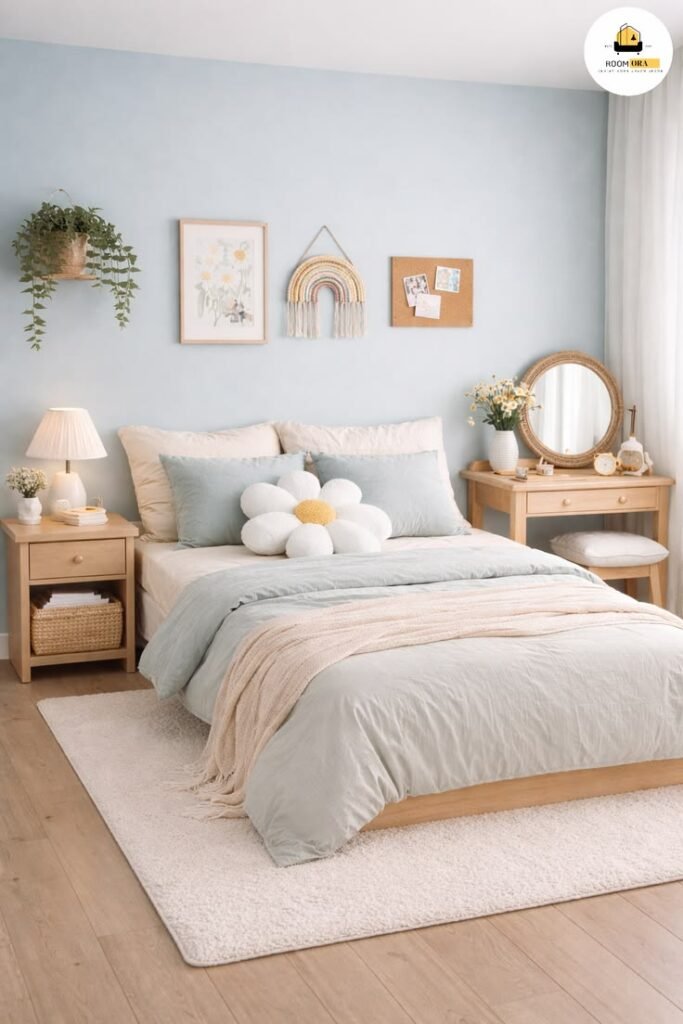
1. Soft Blue and Warm White Kids Bedroom Color Combination
This combination never fails. Ever.
Soft blue creates a calm atmosphere while warm white keeps the room bright and airy. Together, they feel peaceful without looking boring.
I personally love this combo for smaller bedrooms because it makes spaces feel larger instantly.
Why Soft Blue and White Work So Well
Blue naturally feels relaxing. White reflects light beautifully. The combination creates a clean, comforting environment that works for toddlers, kids, and even teenagers.
That flexibility matters.
You can easily swap decor over time without repainting the entire room. Your future self will appreciate that.
Best Ways to Style This Combination
Use:
- Soft blue walls
- Warm white trim
- Natural wood furniture
- Beige or mustard accents
Add textured blankets and woven baskets to prevent the room from feeling too cold.
Because yes, blue rooms can accidentally start looking like tiny hospitals if you overdo it.
“There are no rules of architecture for a castle in the clouds.”
— Gilbert K. Chesterton
Kids’ rooms should feel imaginative. This combination creates that dreamy atmosphere without becoming overwhelming.
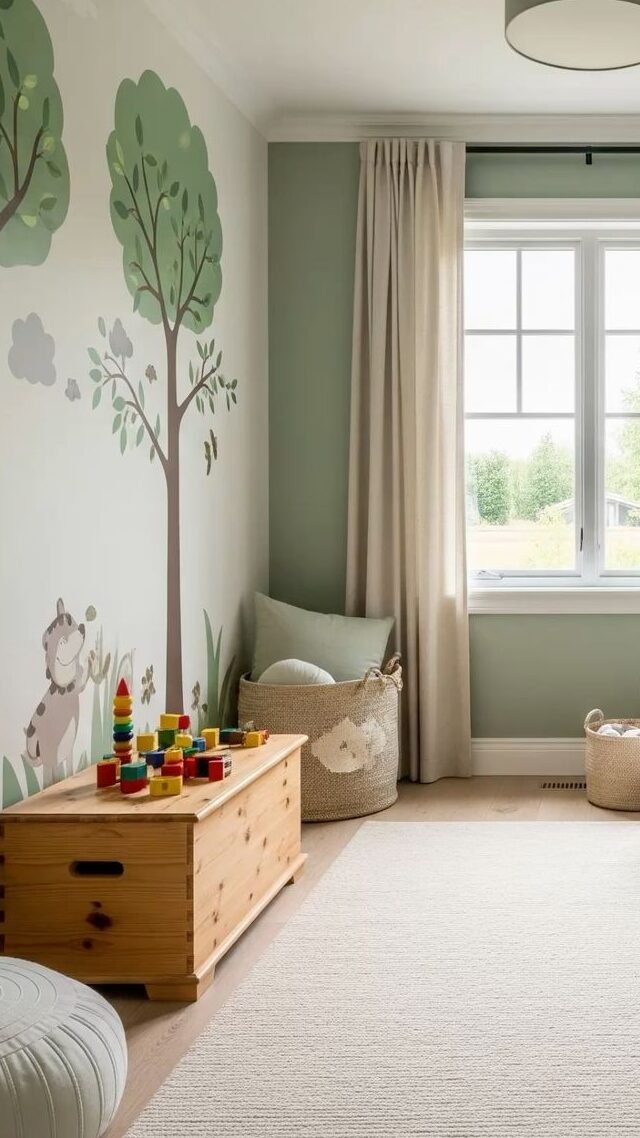
2. Sage Green and Cream Kids Bedroom Color Combination
Sage green quietly became one of the best interior colors in recent years. And honestly? It deserves the hype.
This combination feels soft, natural, and incredibly calming.
Why Parents Love Sage Green
Sage green works beautifully because it balances warmth and freshness at the same time.
It pairs especially well with:
- Cream furniture
- Light oak wood
- Rattan decor
- White bedding
The room instantly feels cozy and elevated.
I’ve noticed sage green also hides fingerprints better than stark white walls. Parents of toddlers just nodded aggressively.
How to Keep This Combination Kid Friendly
Add playful touches through:
- Animal prints
- Fun pillows
- Cloud lamps
- Storybook shelves
That keeps the room youthful without sacrificing style.
The biggest advantage? This palette grows with your child beautifully. You won’t need a total redesign once they outgrow cartoon themes.
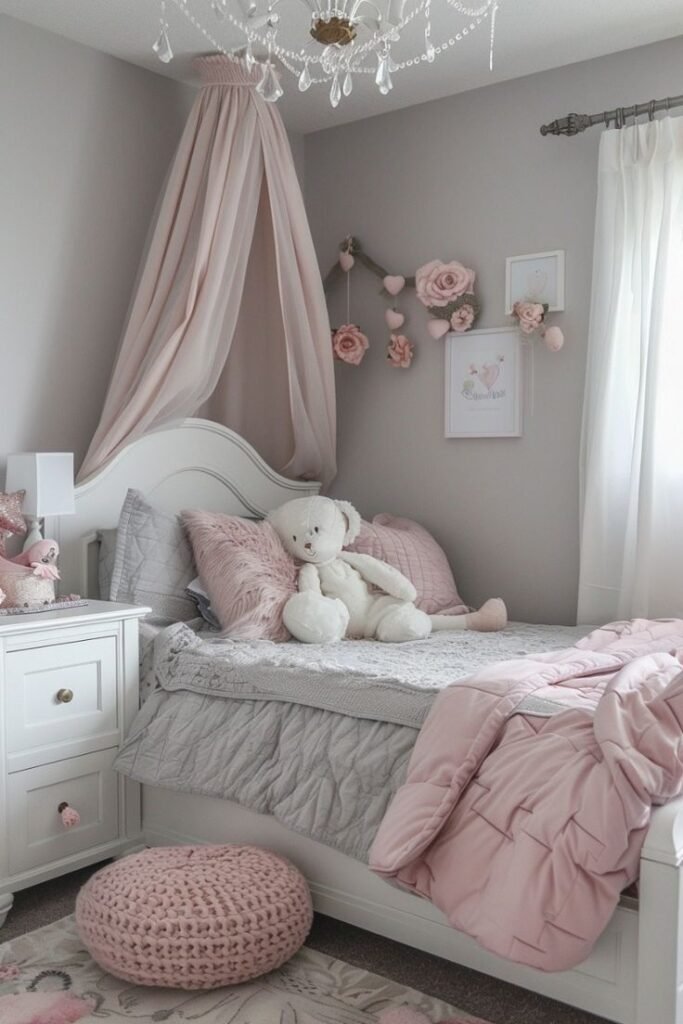
3. Dusty Pink and Light Gray Kids Bedroom Color Combination
This combination feels soft and sophisticated without becoming overly sweet.
And thank goodness for that because some pink bedrooms look like cotton candy exploded.
Why Dusty Pink Works Better Than Bright Pink
Dusty pink feels muted and calming. Light gray balances the warmth and prevents the room from feeling overly feminine or overwhelming.
Together, they create a cozy atmosphere that still looks modern.
I love this combo for shared spaces too because gray adds neutrality.
Best Decor Ideas for This Palette
Try adding:
- Velvet cushions
- Gold accents
- White curtains
- Natural wood toys
These details make the room feel layered and stylish.
A dusty pink accent wall behind the bed also works beautifully if you don’t want full pink walls.
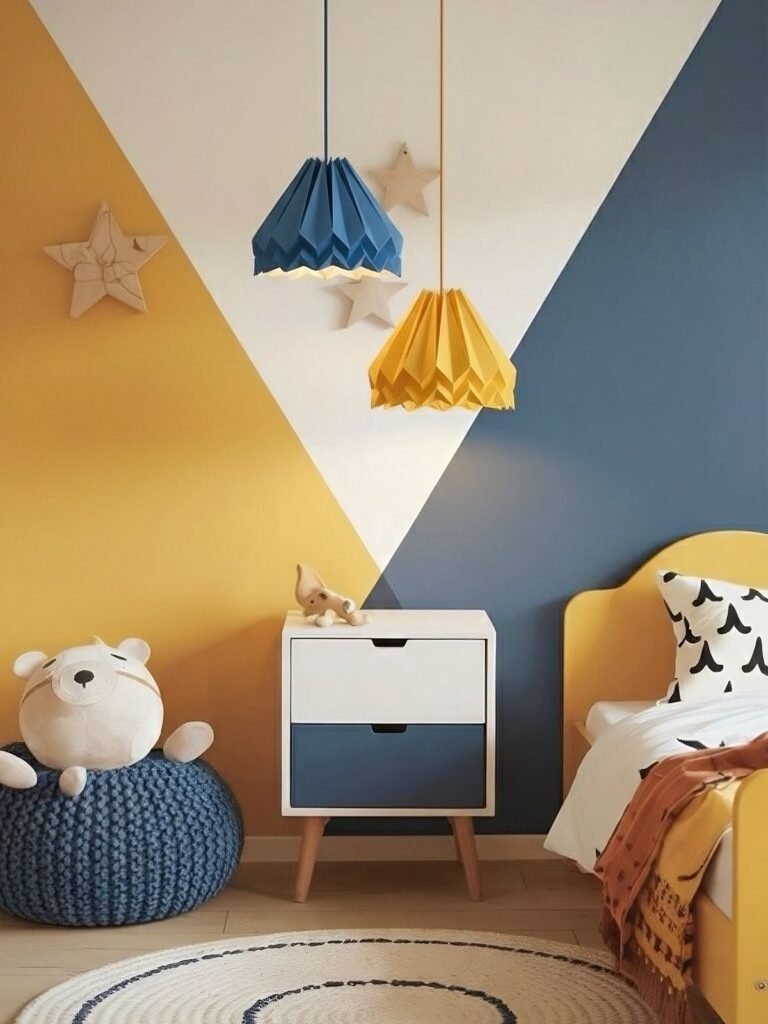
4. Navy Blue and Mustard Yellow Kids Bedroom Color Combination
Now this combination brings personality.
Navy creates depth while mustard yellow adds warmth and energy. Together, they feel bold but still balanced.
Why This Combination Feels So Stylish
Navy works almost like a neutral. It anchors the room and makes other colors pop beautifully.
Meanwhile, mustard yellow prevents the space from feeling too dark or serious.
This combo works especially well for:
- Space-themed bedrooms
- Adventure-inspired rooms
- Modern shared bedrooms
Best Ways to Use Navy Without Darkening the Room
Keep navy limited to:
- One accent wall
- Bedding
- Furniture
- Curtains
Balance it with:
- White ceilings
- Light flooring
- Warm lighting
That keeps the room feeling cozy instead of cave-like.
“Have nothing in your house that you do not know to be useful or believe to be beautiful.”
— William Morris
Kids’ rooms should absolutely follow this advice. Functional can still look beautiful.
5. Peach and Beige Kids Bedroom Color Combination
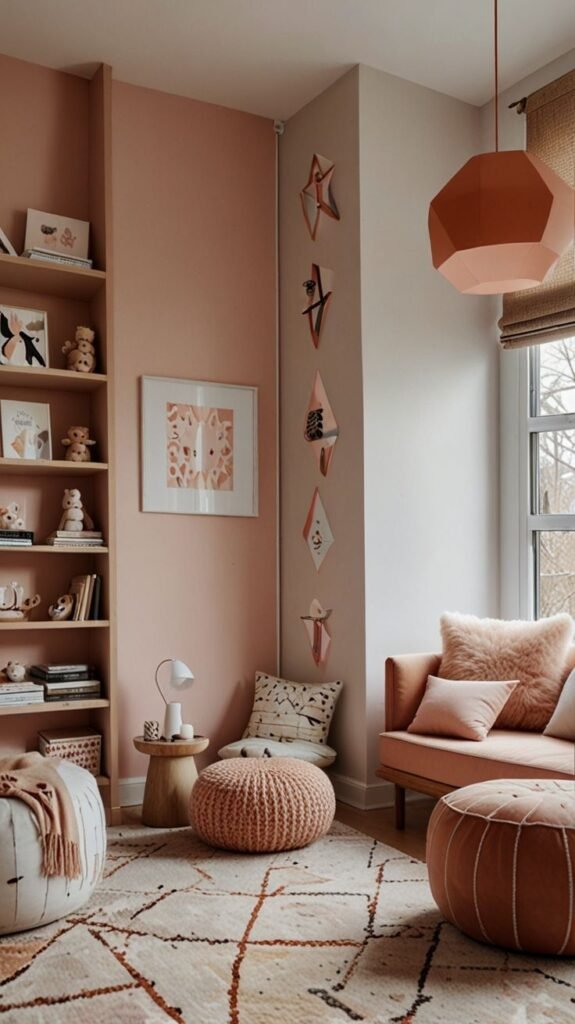
Peach and beige create one of the warmest, happiest combinations for kids’ spaces.
This palette feels sunny without becoming too bright.
Why Peach Feels So Welcoming
Peach adds gentle warmth and energy. Beige softens everything and keeps the room grounded.
Together, they create a soft glow that works beautifully in bedrooms with limited natural light.
I especially love this combo for nurseries and toddler rooms because it feels comforting instantly.
How to Style Peach and Beige Correctly
Use:
- Beige walls
- Peach bedding
- Cream curtains
- Wooden furniture
Add subtle rainbow decor or textured fabrics for extra charm.
The room ends up feeling playful yet peaceful. That balance matters more than people realize.
6. Lavender and White Kids Bedroom Color Combination
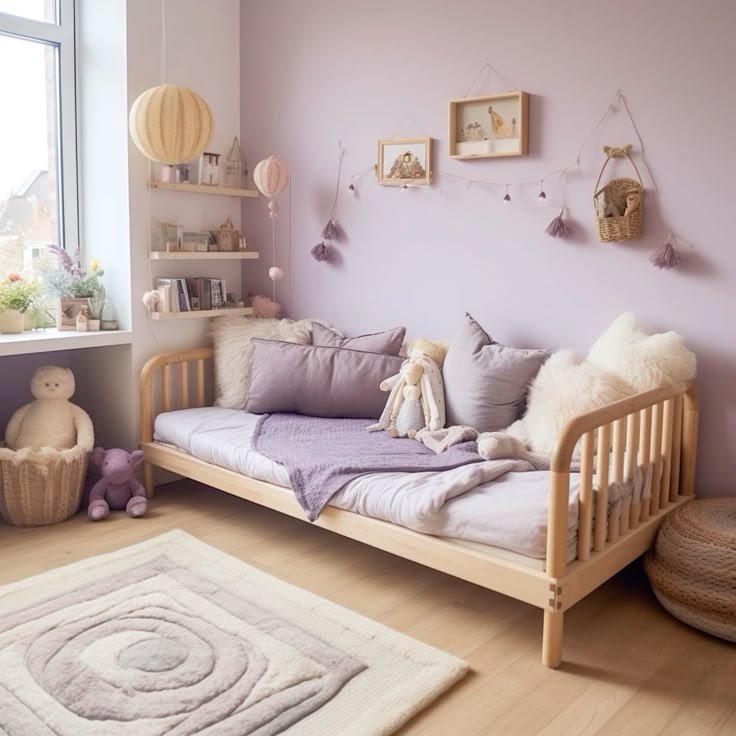
Lavender creates a magical atmosphere without looking overly dramatic.
White keeps the palette fresh and airy.
Why Lavender Became So Popular
Lavender feels calming, creative, and slightly whimsical.
Kids often love it because it feels colorful without becoming loud. Parents love it because it photographs beautifully and works with modern decor styles.
Honestly, lavender quietly replaced bright purple for good reason.
Best Accent Colors for Lavender Bedrooms
Pair lavender with:
- Silver accents
- Soft gray decor
- White furniture
- Pale pink textiles
These combinations keep the room elegant and soft.
Avoid adding too many bright purples unless you want the room to resemble a candy aisle. Subtlety helps here.
Choosing Furniture for Kids Bedroom Color Combinations
Furniture can completely support or destroy a color palette.
Seriously. The wrong wood tone changes everything.
Light Wood Creates a Soft Modern Look
Light oak furniture pairs beautifully with:
- Sage green
- Dusty blue
- Soft pink
- Cream
This combination feels airy and Scandinavian-inspired.
Very Pinterest-worthy. We all know that matters a little.
7. Mint Green and Coral Kids Bedroom Color Combination
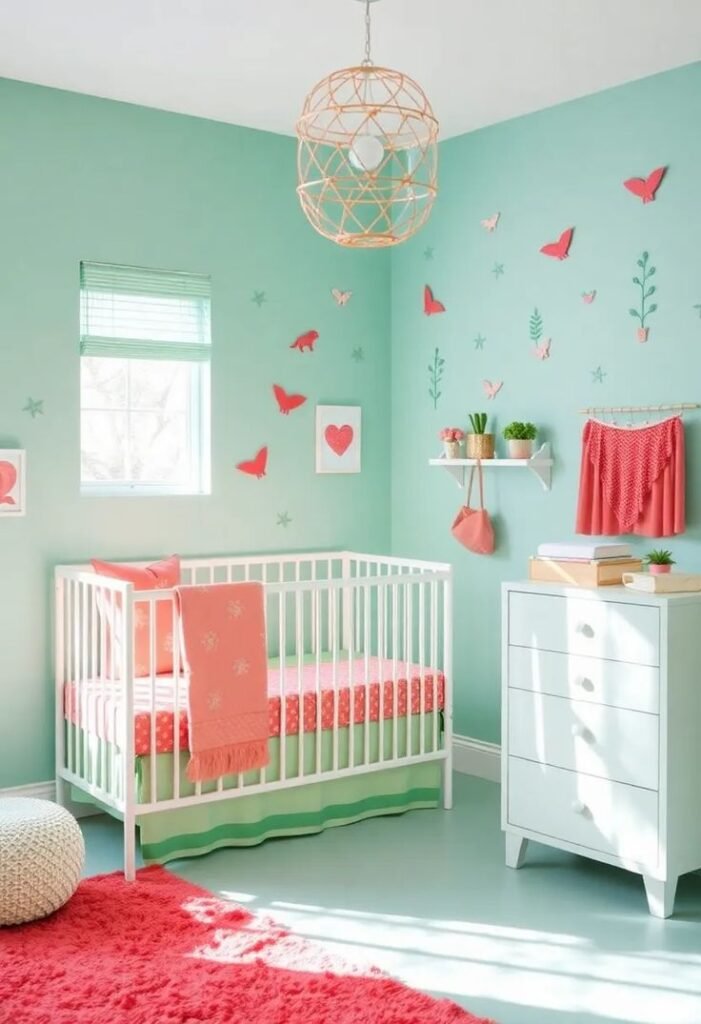
Mint green and coral create a cheerful room without overwhelming the space. This combination feels playful, fresh, and full of personality.
I love this palette for creative kids because it instantly makes the room feel energetic in a happy way. Not chaotic. There’s a difference. A huge difference.
Why Mint Green and Coral Work Together
Mint green cools the room down while coral adds warmth and excitement. The balance feels natural instead of overpowering.
This combo works especially well in rooms with:
- Lots of natural sunlight
- White furniture
- Open shelving
- Simple decor
The colors bounce off each other beautifully without fighting for attention.
Best Ways to Decorate With Mint and Coral
Use mint green as the dominant wall color and bring coral through:
- Throw pillows
- Artwork
- Rugs
- Curtains
- Bedding accents
Add white or beige elements to keep everything balanced.
And please resist adding ten more bright colors “for fun.” That road leads directly to visual exhaustion.
“Design is intelligence made visible.”
— Alina Wheeler
Smart color combinations always look intentional, even in playful kids’ spaces.
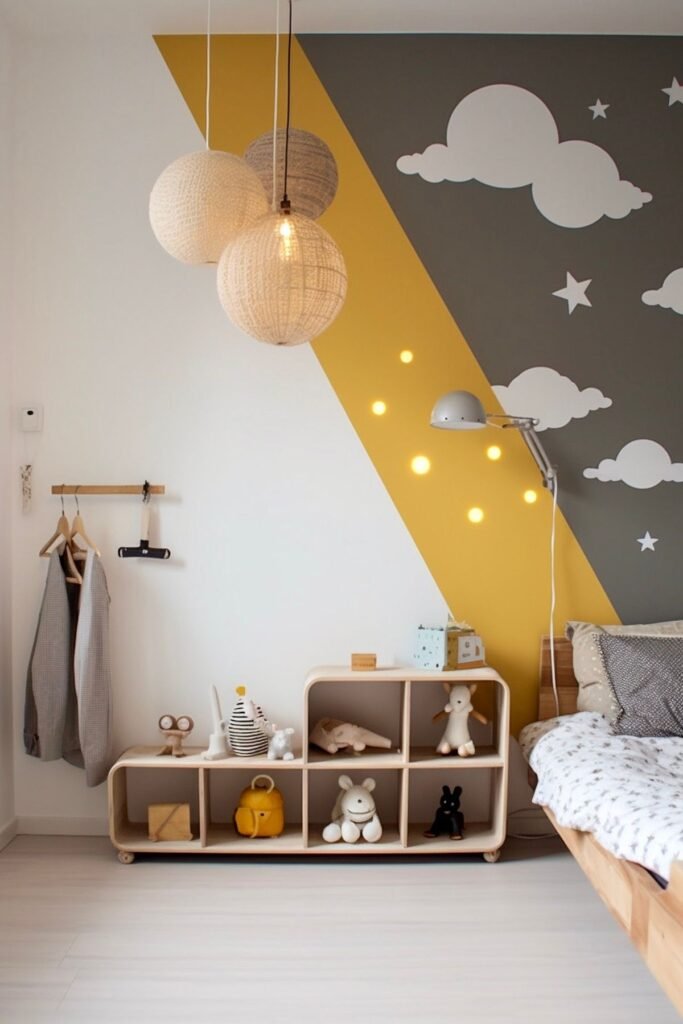
8. Gray and Yellow Kids Bedroom Color Combination
Gray and yellow remain one of the most reliable Kids Bedroom Color Combinations because they balance calmness and energy perfectly.
Gray grounds the room. Yellow adds life. Together, they create a modern, happy atmosphere.
Why This Combination Works for Almost Every Age
Gray grows with kids extremely well. Yellow keeps the space youthful and cheerful.
That means you can update decor over time without repainting the entire room every two years. Your wallet appreciates that strategy. Trust me.
This palette works beautifully for:
- Shared bedrooms
- Gender-neutral rooms
- Small bedrooms
- Modern homes
How to Use Yellow Without Overdoing It
Bright yellow works best as an accent color.
Try:
- Yellow pillows
- Wall art
- Lamps
- Storage baskets
- Desk chairs
Keep larger surfaces gray or white so the room still feels relaxing.
Because full yellow walls? Bold choice. Very bold choice.
9. Sky Blue and Soft Beige Kids Bedroom Color Combination
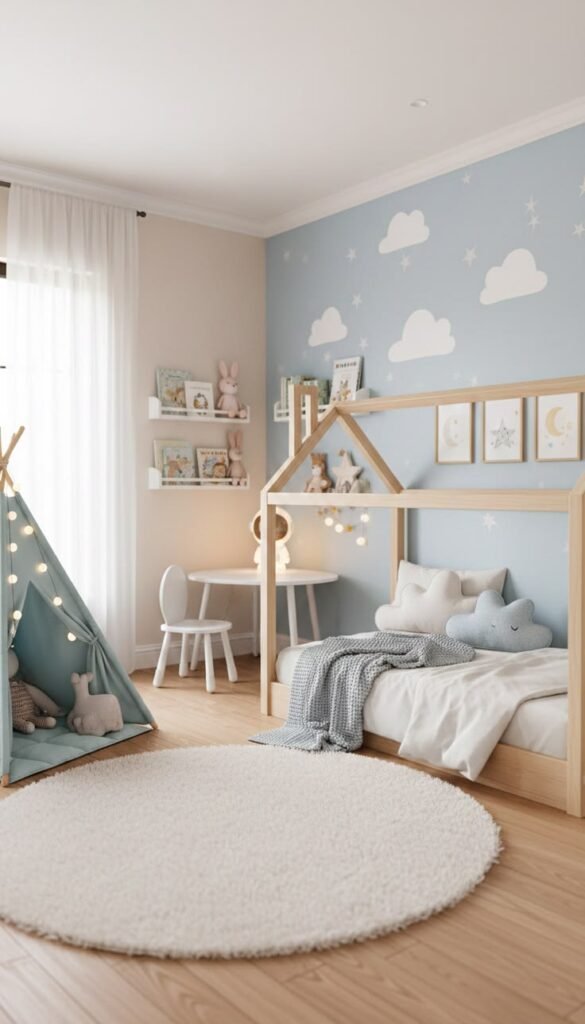
This combination feels calm, airy, and timeless.
Sky blue creates freshness while soft beige adds warmth and comfort. The room instantly feels balanced.
Why Sky Blue Feels So Relaxing
Blue naturally creates a peaceful environment. Beige prevents the room from feeling cold or overly themed.
Together, they create one of the safest long-term color combinations for kids’ rooms.
I personally recommend this palette for parents who want something stylish without chasing trends every six months.
Styling Tips for This Color Combination
Use:
- Sky blue walls
- Beige rugs
- White bedding
- Wooden furniture
- Soft cream curtains
Add subtle cloud or nature-inspired decor for extra charm.
The final look feels cozy without trying too hard. Those are usually the best rooms anyway.
10. Terracotta and Cream Kids Bedroom Color Combination
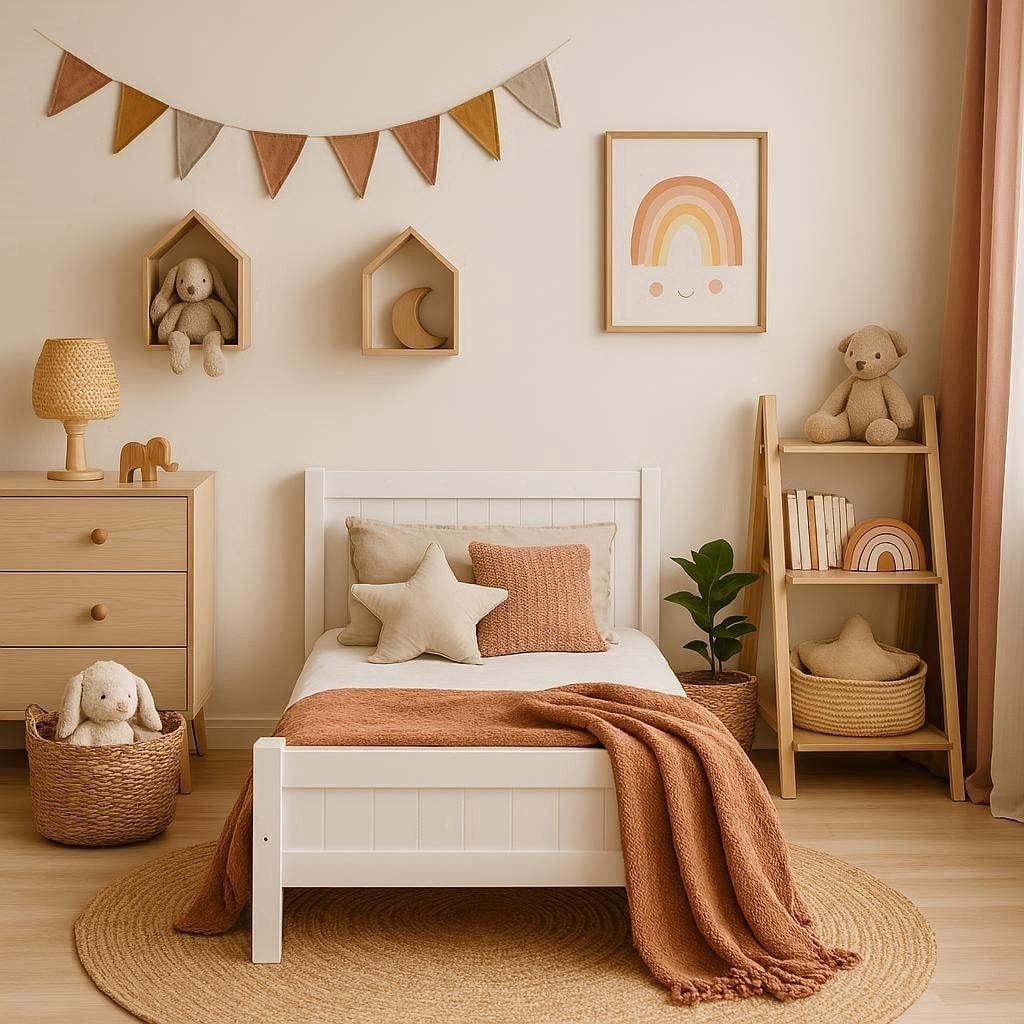
Terracotta brings warmth, personality, and depth into kids’ bedrooms beautifully.
Cream softens the richness and keeps the room bright.
Why Terracotta Feels Cozy
Terracotta creates warmth that instantly makes a room feel welcoming. It works especially well in bedrooms with:
- Neutral furniture
- Boho-inspired decor
- Woven textures
- Warm lighting
The room feels grounded and comforting.
I’ve seen this combination become incredibly popular lately because parents want kids’ rooms that still blend with the rest of the home. Completely understandable.
Best Accent Colors for Terracotta Bedrooms
Pair terracotta with:
- Olive green
- Cream
- Beige
- Rust
- Warm wood tones
Avoid overly cool colors here because they can clash with terracotta’s warmth.
“The details are not the details. They make the design.”
— Charles Eames
Small design choices like accent colors often decide whether a room feels polished or messy.
11. Teal and White Kids Bedroom Color Combination
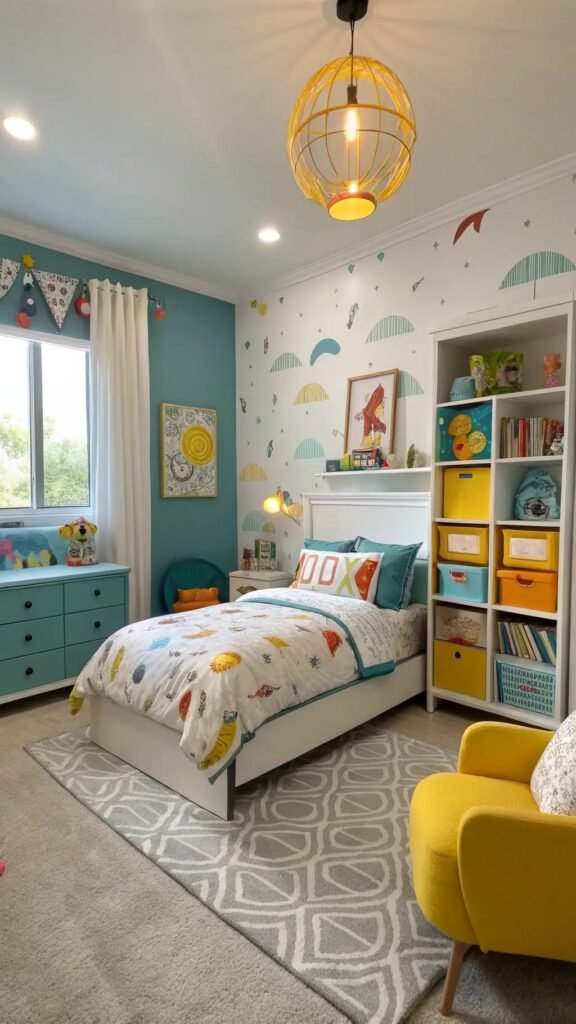
Teal brings energy and sophistication at the same time. White keeps everything clean and fresh.
This combination feels adventurous without becoming overwhelming.
Why Teal Works Surprisingly Well
Teal combines blue and green tones, which makes it feel calming yet vibrant.
It works beautifully in:
- Coastal-inspired rooms
- Creative playrooms
- Shared bedrooms
- Tween spaces
The color has enough personality to stand out while still feeling relaxing.
How to Keep Teal Balanced
Use teal carefully on:
- Accent walls
- Bedding
- Furniture pieces
- Shelving
Balance it with:
- White walls
- Natural wood
- Neutral flooring
Too much teal can darken the room quickly. A little restraint helps. Painful advice for maximalists, I know.
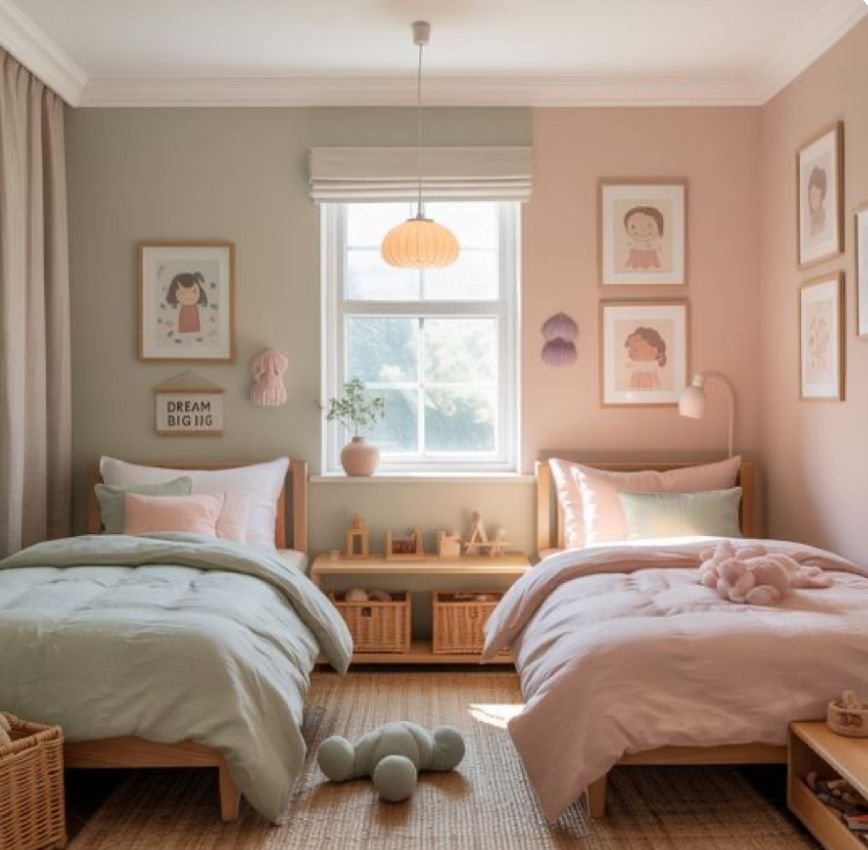
12. Blush Pink and Sage Green Kids Bedroom Color Combination
This combination feels soft, elegant, and incredibly modern.
Blush pink adds warmth while sage green creates balance and freshness.
Why This Combination Feels So Sophisticated
The muted tones make this palette feel calm instead of sugary sweet.
That’s why so many modern nursery and kids bedroom designs now use muted shades instead of bright primary colors.
This combo works especially well with:
- White furniture
- Gold accents
- Woven textures
- Botanical decor
The room ends up feeling cozy and stylish simultaneously.
Best Ways to Add Personality
Bring in playful elements through:
- Animal-shaped cushions
- Fun wall prints
- Colorful books
- Patterned rugs
That keeps the room feeling youthful without losing sophistication.
Honestly, this palette looks expensive even when the budget absolutely is not. We love that.
Common Mistakes People Make With Kids Bedroom Color Combinations
Some color mistakes instantly ruin a room’s atmosphere.
The good news? Most are easy to avoid once you know them.
Using Too Many Bright Colors
Kids love bright colors. That doesn’t mean every surface needs one.
Too many intense shades create overstimulation and visual clutter.
Instead:
- Choose one dominant color
- Add one secondary tone
- Use accents carefully
Simple structure creates calmer spaces.
Ignoring Lighting Conditions
Paint colors always look different under real lighting.
Always test samples before committing.
I learned this the hard way after painting a room “soft gray” that somehow transformed into icy blue at night. Very humbling experience.
Matching Everything Perfectly
Perfect matching often makes rooms feel flat and boring.
Mix:
- Textures
- Shades
- Patterns
- Materials
Rooms feel more natural and layered that way.
“A room should never allow the eye to settle in one place.”
— Juan Montoya
Visual interest matters, especially in children’s spaces.
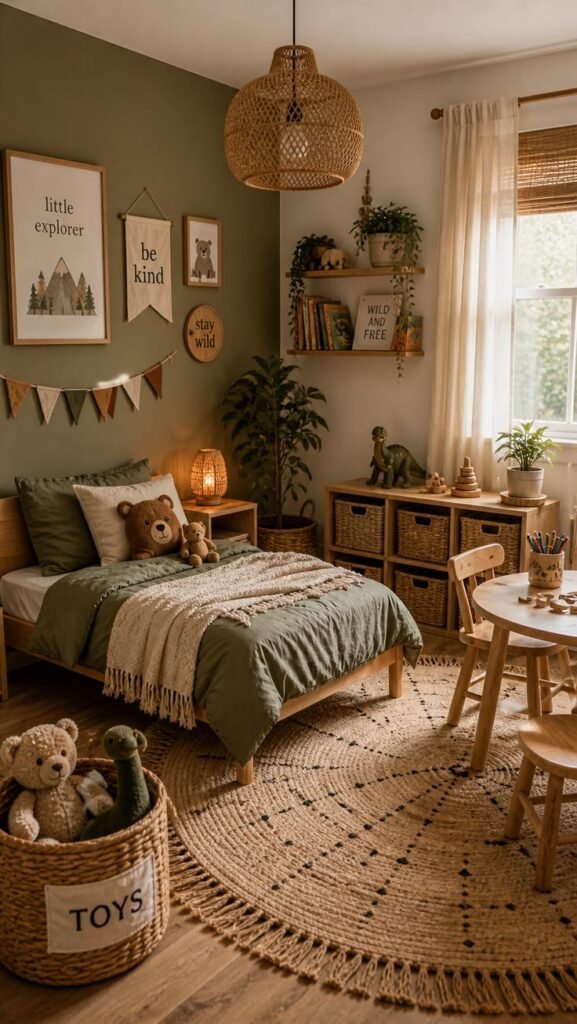
13. Olive Green and Warm White Kids Bedroom Color Combination
Olive green creates depth while warm white keeps the room soft and balanced.
This combination feels earthy, calming, and surprisingly versatile.
Why Olive Green Works for Kids Rooms
Olive green connects beautifully with nature-inspired decor. It also hides wear and tear better than lighter colors.
Parents immediately understand the value of that sentence.
This palette works beautifully with:
- Wooden toys
- Linen bedding
- Beige rugs
- Warm lighting
The room feels grounded and peaceful.
Best Decor Ideas for Olive Green Rooms
Try adding:
- Nature-themed artwork
- Woven baskets
- Cloud lamps
- Cream curtains
These details soften the richness of olive green beautifully.
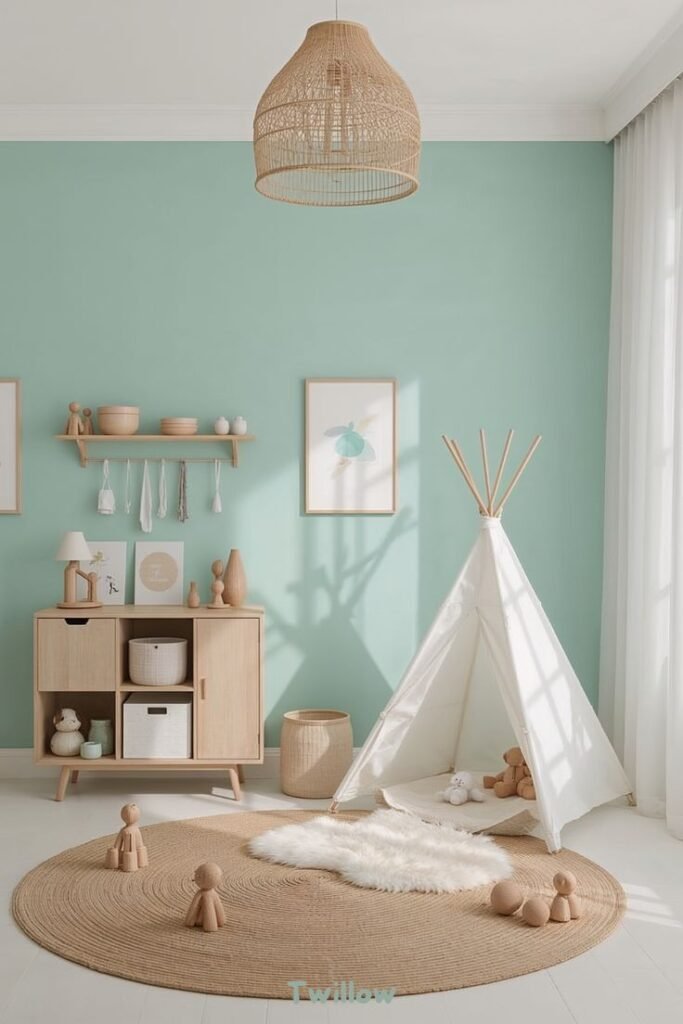
14. Aqua Blue and Sand Beige Kids Bedroom Color Combination
Aqua blue instantly brightens a room while sand beige keeps everything warm and relaxed.
This combination creates a beachy, carefree atmosphere that kids often love.
Why Aqua Feels So Fun
Aqua brings playful energy without becoming too intense.
It works especially well in:
- Small bedrooms
- Coastal-inspired spaces
- Shared sibling rooms
- Rooms with lots of sunlight
The space feels fresh and open instantly.
How to Style Aqua Blue Correctly
Use:
- Aqua accents
- Beige walls
- White furniture
- Natural textures
Add woven rugs or rope-inspired decor for subtle coastal charm.
And no, you do not need giant anchor decorations. Let’s leave that phase in 2014.
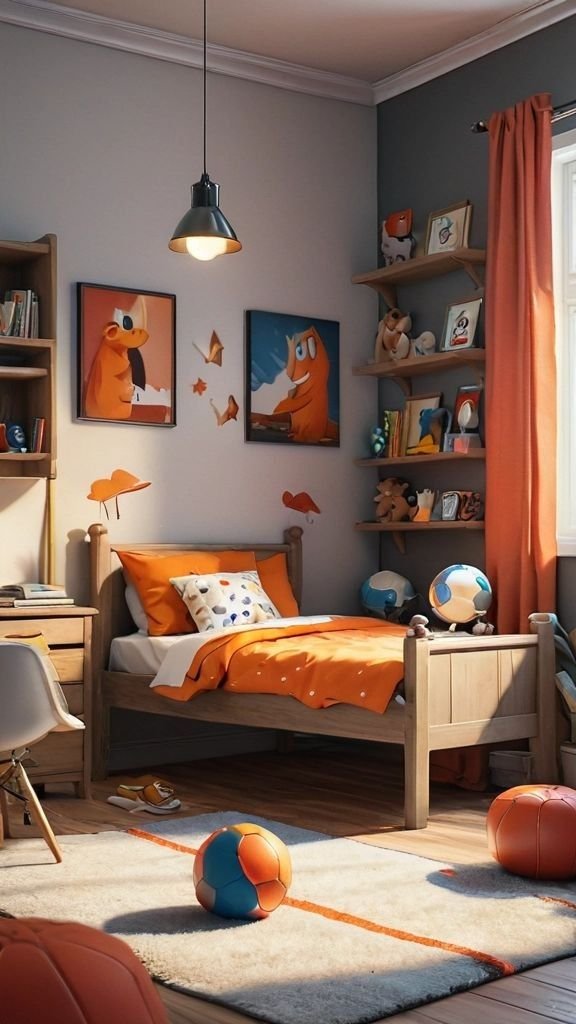
15. Charcoal Gray and Soft Orange Kids Bedroom Color Combination
This combination feels modern, energetic, and slightly unexpected.
Charcoal gray creates sophistication while soft orange adds warmth and personality.
Why Gray and Orange Create Great Contrast
Orange brings energy. Gray keeps that energy controlled.
The balance creates a stylish room that works especially well for:
- Older kids
- Tween bedrooms
- Gamer-inspired setups
- Modern interiors
It feels cool without trying too hard.
Best Ways to Use Orange
Soft orange works best through:
- Bedding
- Accent chairs
- Lamps
- Artwork
- Storage cubes
Keep larger surfaces gray, white, or beige to maintain balance.
Too much orange can quickly shift from stylish to “traffic cone energy.” Nobody wants that.
How to Make Kids Bedroom Color Combinations Last Longer
Kids grow fast. Their tastes change even faster.
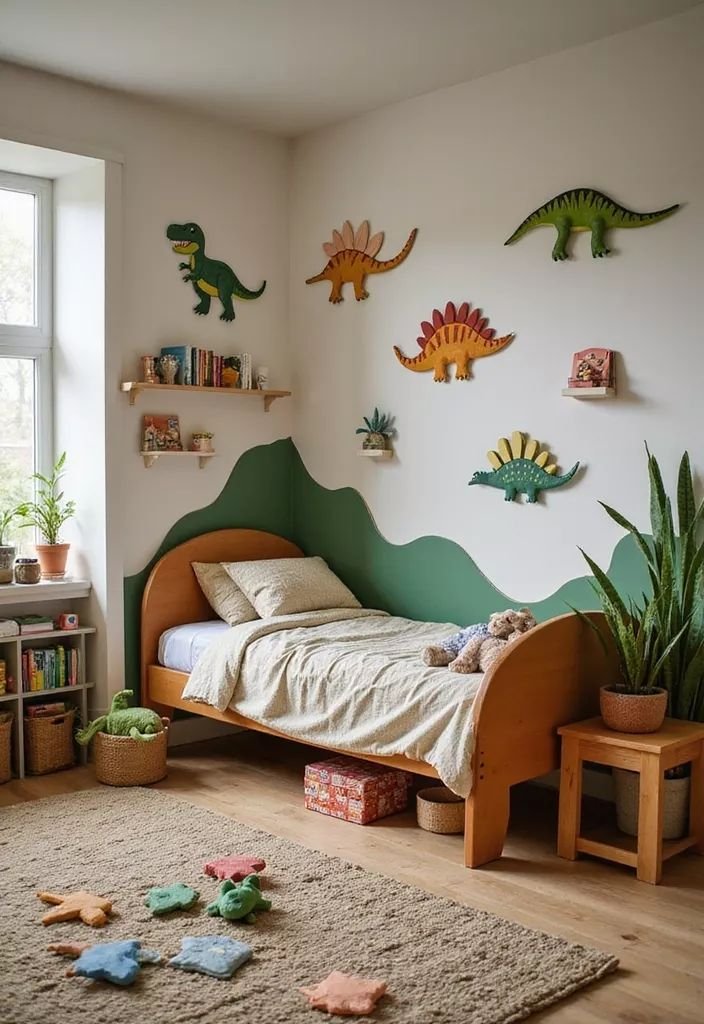
One month they adore dinosaurs. The next month they suddenly want minimalist neutrals like tiny exhausted adults.
Choose Flexible Base Colors
Stick with timeless wall colors like:
- Sage green
- Beige
- Soft blue
- Warm white
- Gray
Then update trends through decor.
This strategy saves money and keeps the room adaptable.
Use Peel and Stick Decor for Trends
Temporary decor works wonders for kids’ spaces.
Try:
- Wall decals
- Temporary wallpaper
- Removable art
- Colorful bedding
These changes feel exciting without requiring full renovations every year.
Final Thoughts on Kids Bedroom Color Combinations
The best Kids Bedroom Color Combinations balance personality, comfort, and practicality. You want a room that feels fun for your child but still peaceful enough for everyday life.
Soft blue and white create calmness. Sage green and cream feel timeless. Navy and mustard add bold personality. Every combination creates a completely different mood.
At the end of the day, the best color palette is the one that makes your child feel happy, safe, and comfortable. That matters far more than following every design trend online.
And honestly? If the room survives marker stains, toy explosions, and random “art projects” on the walls, you already won.