12 Best Paint Colors for Small Bedrooms
This site contains affiliate links. I may earn a small commission, at no extra cost to you.
If you’ve ever stood in a tiny bedroom staring at paint samples taped to the wall, trying to figure out what will actually work, you already know the struggle. Picking the right paint colors for small bedrooms sounds simple on paper, but in real life? It turns into a full-blown overthinking session at 11 p.m.
I’ve been there too. I once painted a small bedroom what I thought was a “soft calming gray,” and it somehow ended up looking like a dull cement box. Not exactly the cozy vibe I was going for. That experience taught me something important: paint colors for small bedrooms can completely change how big, bright, and comfortable a space feels.
So in this guide, I’ll walk you through the 12 best paint colors for small bedrooms, starting with the ones that actually work in real homes—not just perfectly lit Pinterest boards. I’ll also share honest opinions, small mistakes, and a few “why did I do that?” moments so you don’t repeat them.
Ever wondered why some tiny rooms feel airy and open while others feel cramped no matter what you do? Let’s fix that.
Why Paint Colors Matter So Much in Small Bedrooms
Small bedrooms don’t really give you room for design mistakes. Every color decision becomes more noticeable because the walls are so close to you all the time.
The right paint choices can:
- Make walls feel like they are farther apart
- Improve how light moves in the room
- Change the mood instantly
- Highlight décor instead of overpowering it
Interior designer Joanna Gaines once said, “Color is the quietest way to transform a space without moving a single wall.” And honestly, that’s exactly what happens in small rooms.
Here’s the funny thing though. People assume white is always the answer. But have you ever been in a white small bedroom that still felt tight and uncomfortable? Exactly. It’s not just about brightness—it’s about balance.
How Lighting Changes Paint Colors for Small Bedrooms
Lighting can completely change how paint behaves. What looks perfect in the store can look totally different at home.
Most small bedrooms deal with:
- Limited natural light
- Warm indoor bulbs
- Shadows in corners that refuse to leave
And all of this affects how paint appears on your walls.
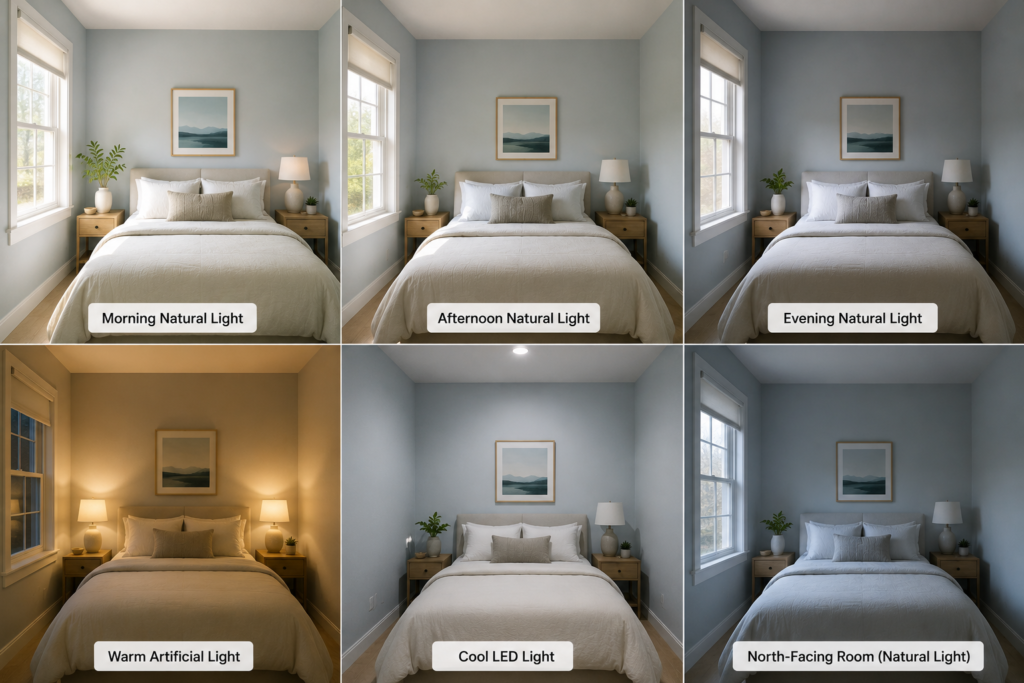
Natural Light vs Artificial Light
Natural light shows the true version of a color, while artificial light often distorts it.
- Warm bulbs make whites look yellow
- Cool LEDs can flatten warm tones
- North-facing rooms make colors feel darker
I once chose a soft blue thinking it would feel fresh and airy. At night under warm lighting, it looked like a sleepy cave. Ever had that moment where you just stare at the wall thinking, “this is not what I planned”? Yeah, same.
Designer Leanne Ford once said, “Light decides the truth of a paint color more than the paint itself ever will.”
So before committing to anything, always test colors in different lighting throughout the day.
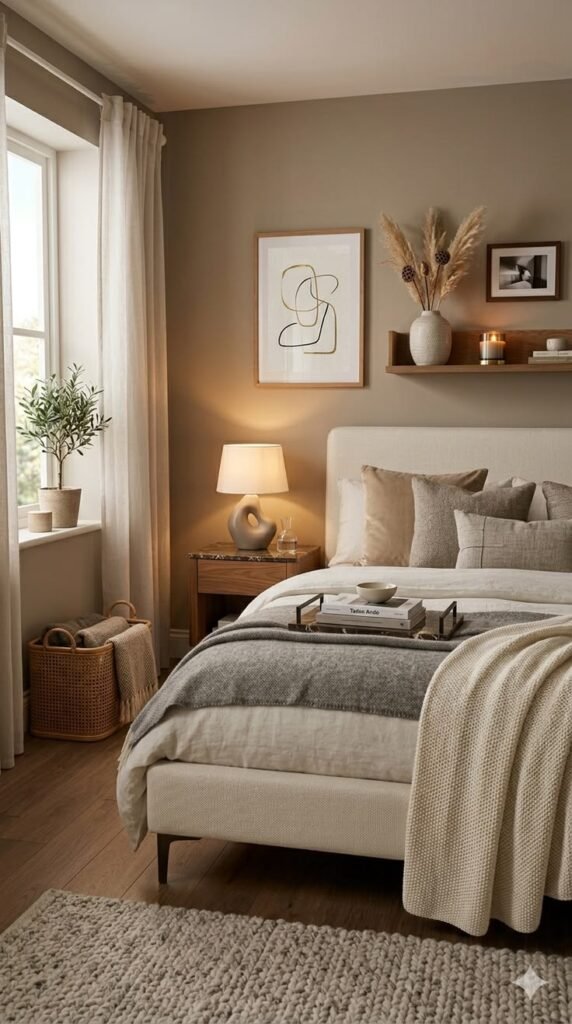
Psychology Behind Paint Colors for Small Bedrooms
Color affects how a room feels emotionally, especially in small spaces where you’re always close to the walls.
Here’s what different tones generally do:
- Light shades open up the space visually
- Cool tones create calm and relaxation
- Warm neutrals make the room feel cozy
- Dark shades add depth but can feel enclosing if overused
Ever noticed how hotel rooms feel more relaxing than your own bedroom even when they’re similar in size? That’s color psychology doing its thing.
A paint specialist from Benjamin Moore once said, “The right soft hue can make a room feel like it exhales.”
And honestly, that’s exactly the feeling you want in a small bedroom.
How to Choose Paint Colors for Small Bedrooms Without Regret
Let’s make this practical, because theory only helps so much.
When selecting paint colors for small bedrooms, keep this in mind:
1. Check undertones carefully
Gray, beige, and white all have hidden undertones that can shift the entire look.
2. Match with flooring
Warm floors usually work better with warm wall tones, and cool floors with cooler shades.
3. Don’t ignore the ceiling
A lighter ceiling can instantly make the room feel taller.
4. Always test large samples
Small paint chips rarely show the real outcome.
5. Think about long-term comfort
Ask yourself: will I still like this color when I’m tired after a long day?
Ever picked a trendy color and regretted it months later? That’s exactly what we’re trying to avoid here.
Mistakes People Make With Paint Colors for Small Bedrooms
These are the most common ones—and yes, I’ve made a few of them myself.
Using overly dark colors
Dark tones can feel dramatic, but in small bedrooms they sometimes just feel heavy.
Ignoring paint finish
Matte hides flaws but absorbs light. Satin reflects light but shows imperfections more easily.
Matching everything too perfectly
When everything blends into one tone, the room loses depth.
Skipping testing entirely
This one causes the most regret. Always test first.
As Nate Berkus once said, “Your home should tell your story, not repeat one color over and over again.”
Now Let’s Talk Real Paint Colors for Small Bedrooms
Now we get into the practical part—the actual shades that work well in real homes.
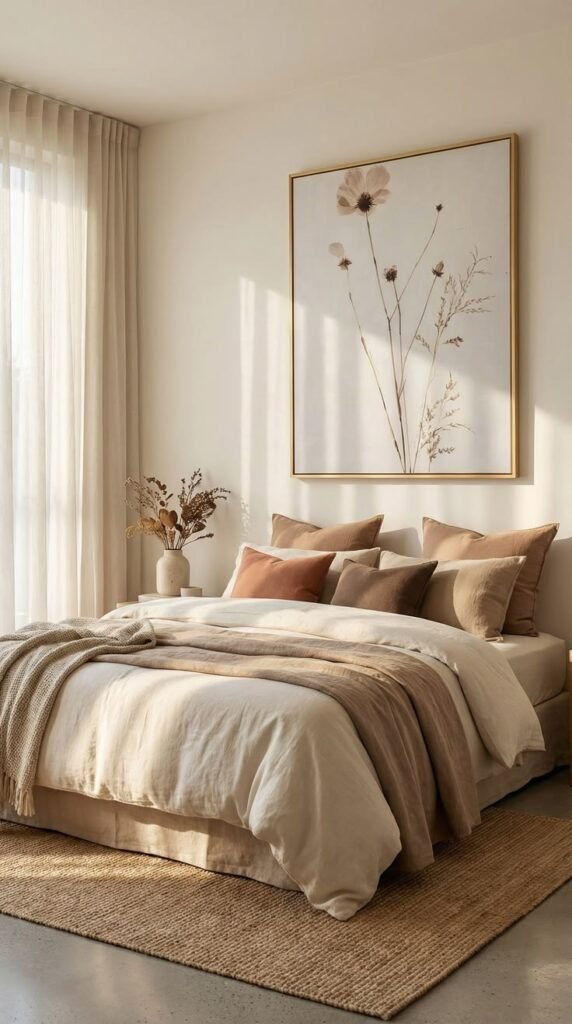
1. Soft Warm White
Warm white is a classic choice, but it only works if you use the right undertone.
Why it works:
- Reflects light beautifully
- Makes the room feel open and clean
- Works with any décor style
I used this in a guest bedroom once, and almost everyone who walked in said it felt larger than it actually was. That’s the power of simplicity.
Ever wondered why hotels rely so heavily on white tones? Now you know.
2. Pale Greige
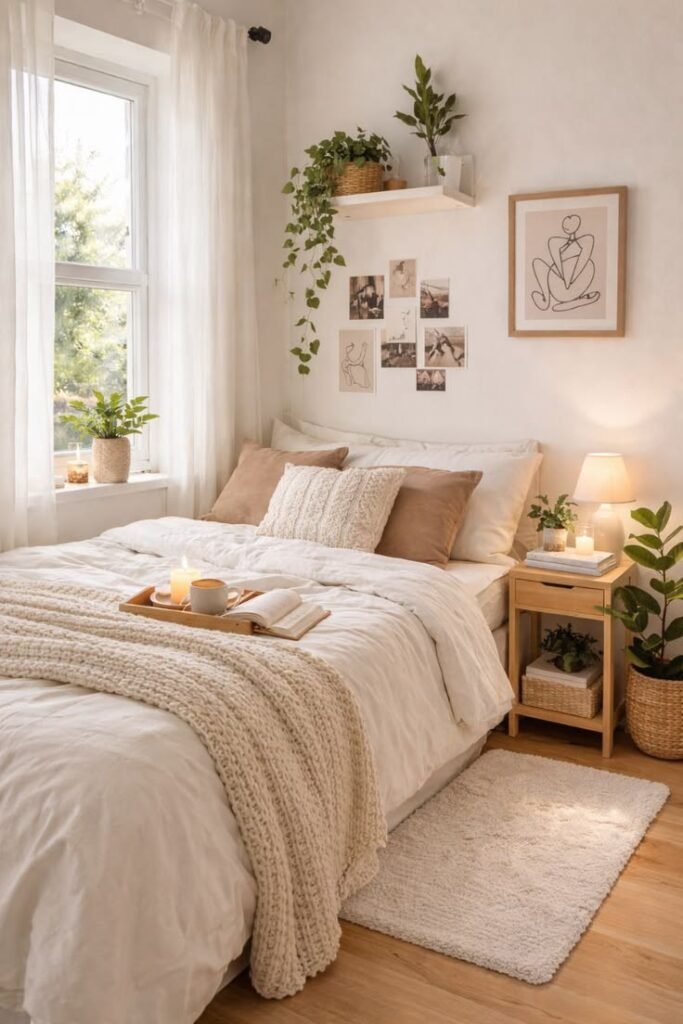
Greige is that perfect middle ground between gray and beige.
Why it works for paint colors for small bedrooms:
- Adds warmth without feeling heavy
- Works in both warm and cool lighting
- Creates a soft modern backdrop
It’s one of those colors that never tries too hard but still looks intentional.
Emily Henderson once said, “Greige is the most forgiving neutral you can ever put on a wall.”
And honestly, I agree.
3. Powder Blue
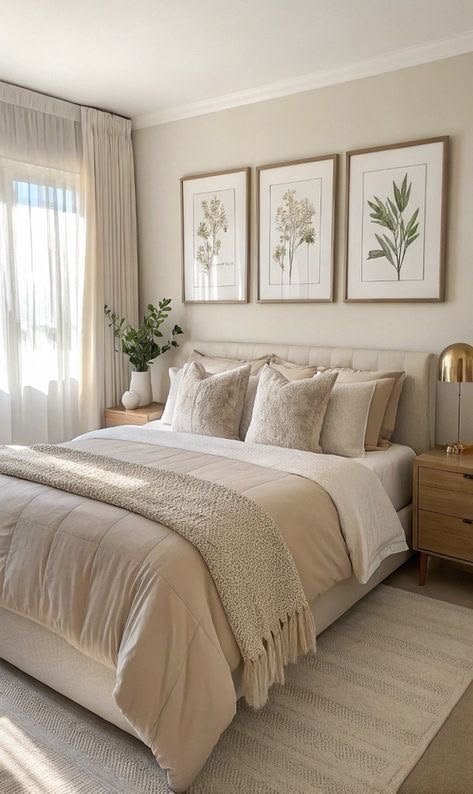
Powder blue brings calmness without making the room feel cold.
Why it works:
- Creates an airy feel
- Works well in small spaces
- Feels fresh and relaxing
But lighting matters a lot here. In dim rooms, it can lean gray. In bright light, it feels soft and peaceful.
Ever wanted your bedroom to feel like a quiet morning? This is that color.
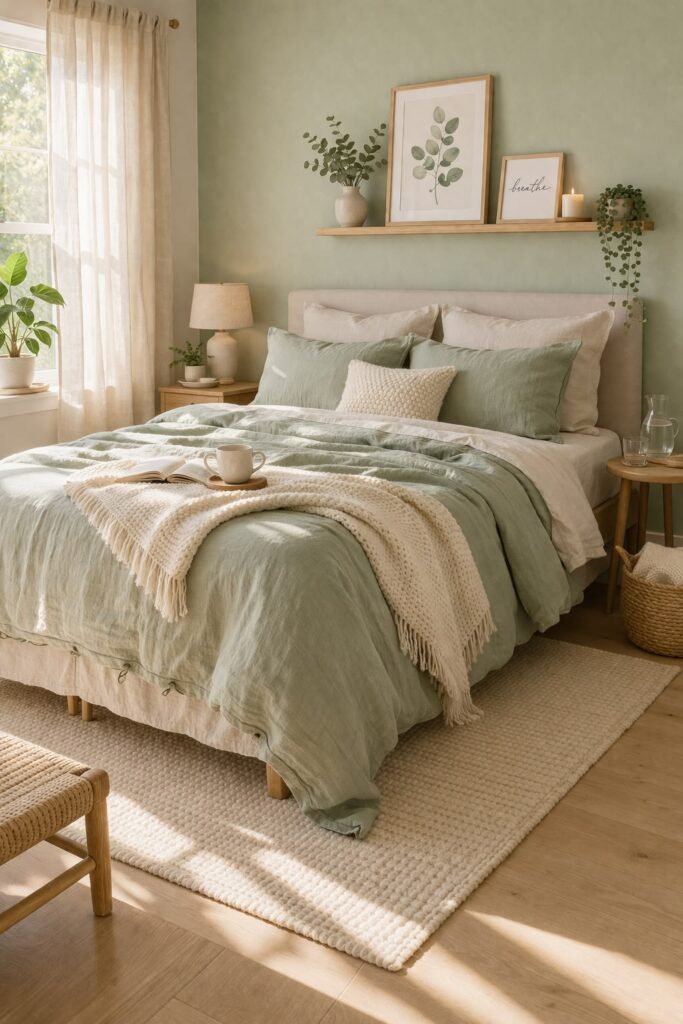
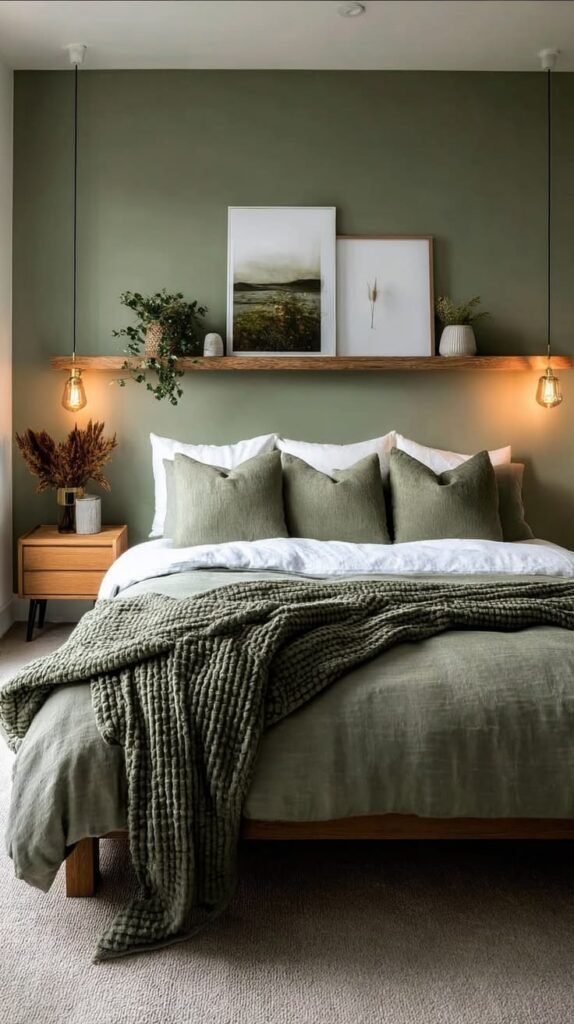
4. Soft Sage Green
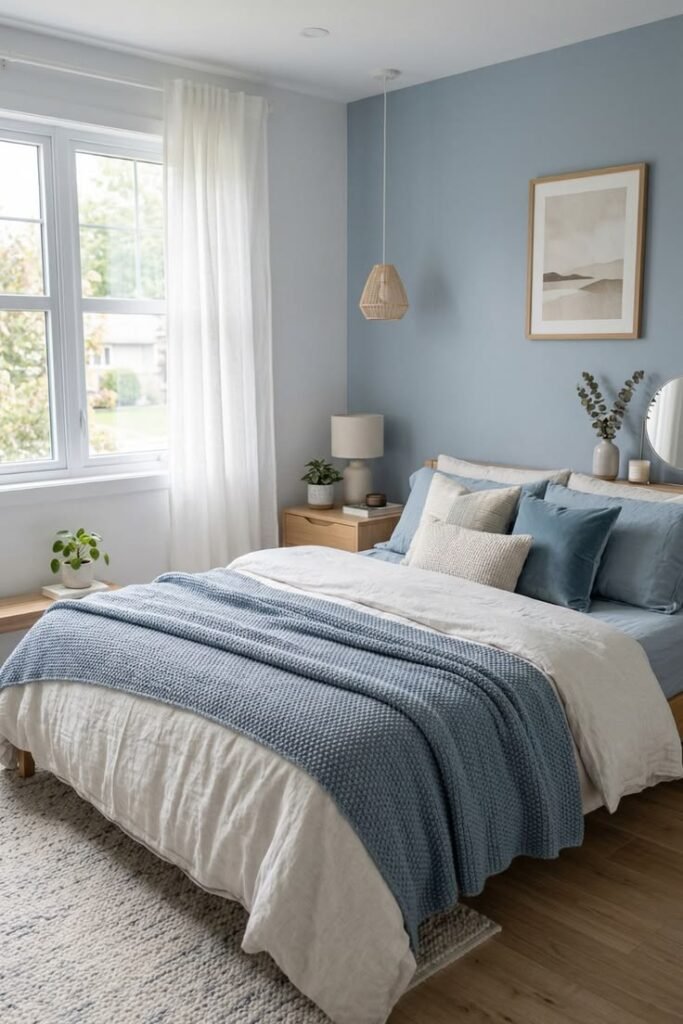
Soft sage has become a favorite in modern interiors for a reason.
Why it works:
- Brings a natural, calming vibe
- Reduces visual clutter
- Pairs beautifully with wood tones
I once used sage in a small bedroom makeover, and the entire space instantly felt more relaxed.
Shea McGee once said, “Green tones bring a sense of rest that no neutral can fully replicate.”
That’s exactly what sage does.
5. Light Taupe
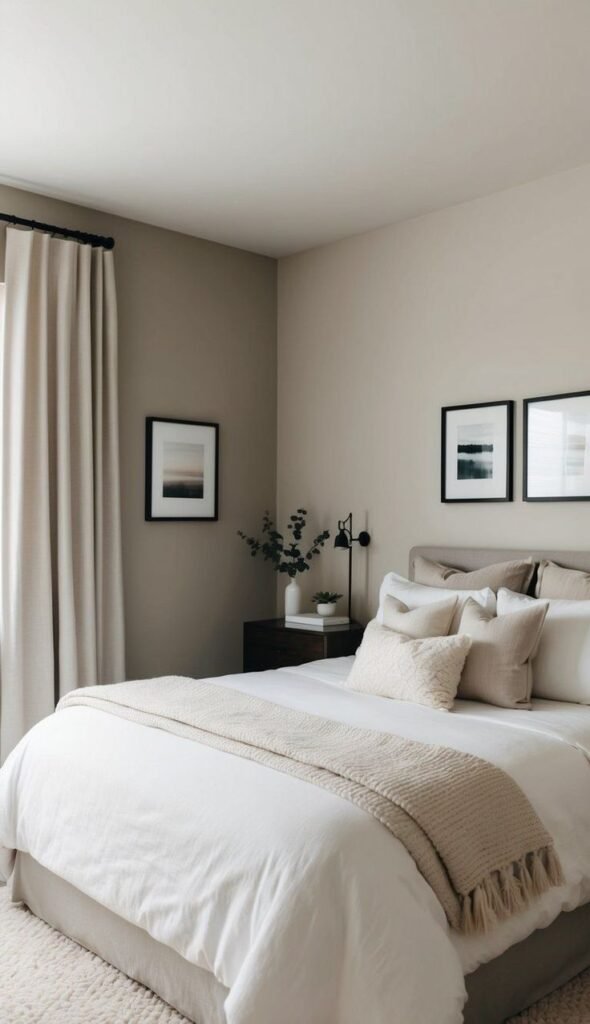
Light taupe is one of the most underrated choices for small spaces.
Why it works:
- Adds depth without making the room feel smaller
- Feels warm and balanced
- Looks timeless in any setting
It’s subtle, but in a good way. The kind of color that just quietly makes everything look better.
Ever walked into a room and thought, “something about this feels right”? That’s taupe working in the background.
6. Misty Gray
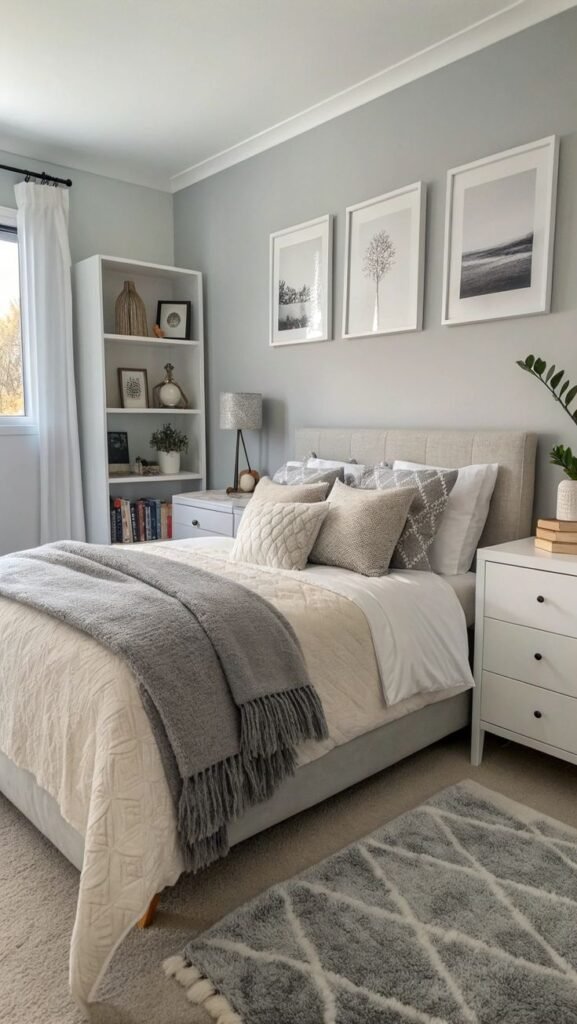
Misty gray is that soft, foggy tone that sits somewhere between cool and warm depending on your lighting.
Why it works:
- Keeps the room light without feeling sterile
- Adds subtle depth without heaviness
- Works beautifully with white or wood furniture
I used misty gray in a tiny bedroom once, and it surprised me. During the day, it looked airy. At night, it felt cozy without turning gloomy. Ever had a color that behaves better than expected? This is one of those.
Interior designer Sarah Sherman Samuel once said, “Soft gray is never just gray. It’s atmosphere.”
And honestly, she’s right. It feels more like a mood than a color.
7. Blush Beige
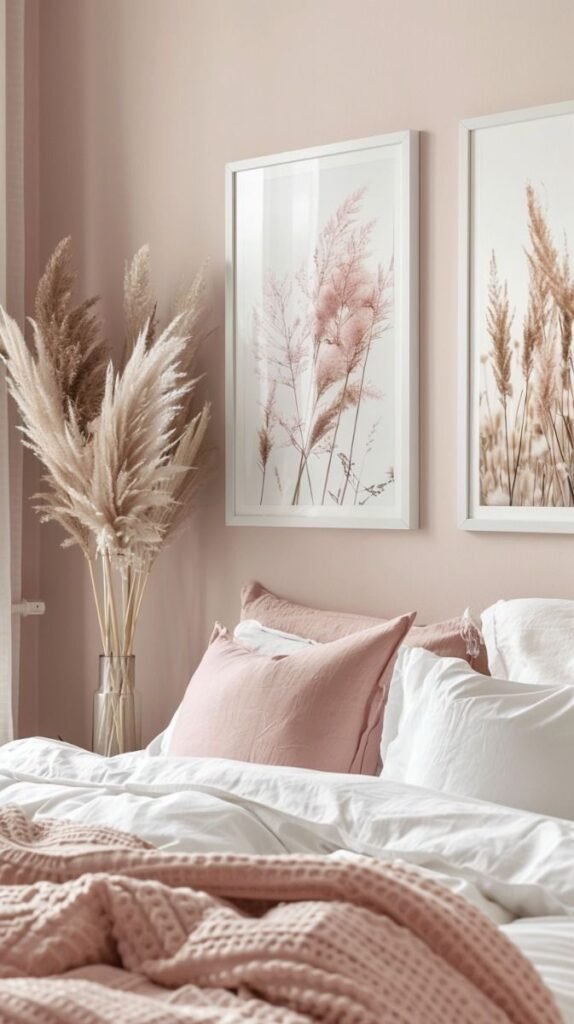
Blush beige is what happens when warmth and softness decide to get along perfectly.
Why it works for paint colors for small bedrooms:
- Adds warmth without feeling overly pink
- Makes small spaces feel inviting
- Works well with gold or brass accents
This color has a way of making a room feel instantly softer. Not overly feminine, not overly bold—just balanced.
Ever walked into a room and felt instantly “comfortable” without knowing why? That’s blush beige doing its job quietly.
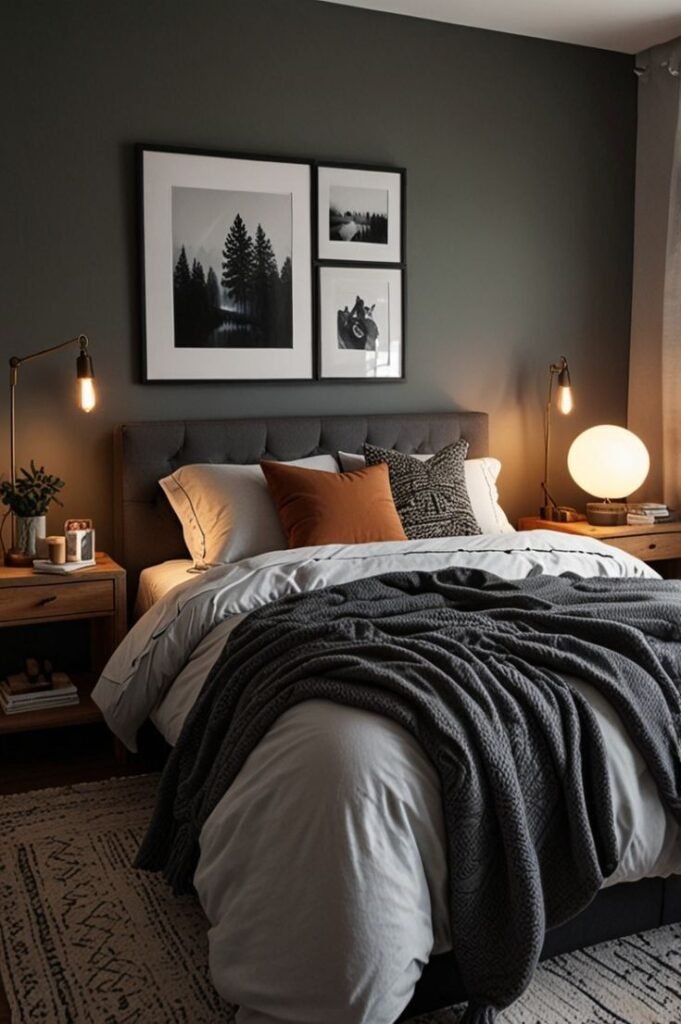
8. Soft Charcoal Accent
Now before you panic—no, I’m not telling you to paint your entire small bedroom dark charcoal.
But using it strategically? That’s where magic happens.
Why it works:
- Adds depth when used on a single wall
- Creates contrast that makes lighter colors pop
- Gives a modern, slightly dramatic edge
I once used charcoal on a single headboard wall in a small bedroom. Did it make the room smaller? Surprisingly, no. It actually made the bed stand out and gave the space structure.
Designer Bobby Berk once said, “Dark tones don’t shrink a room, bad balance does.”
And that’s exactly the point here.
9. Warm Ivory
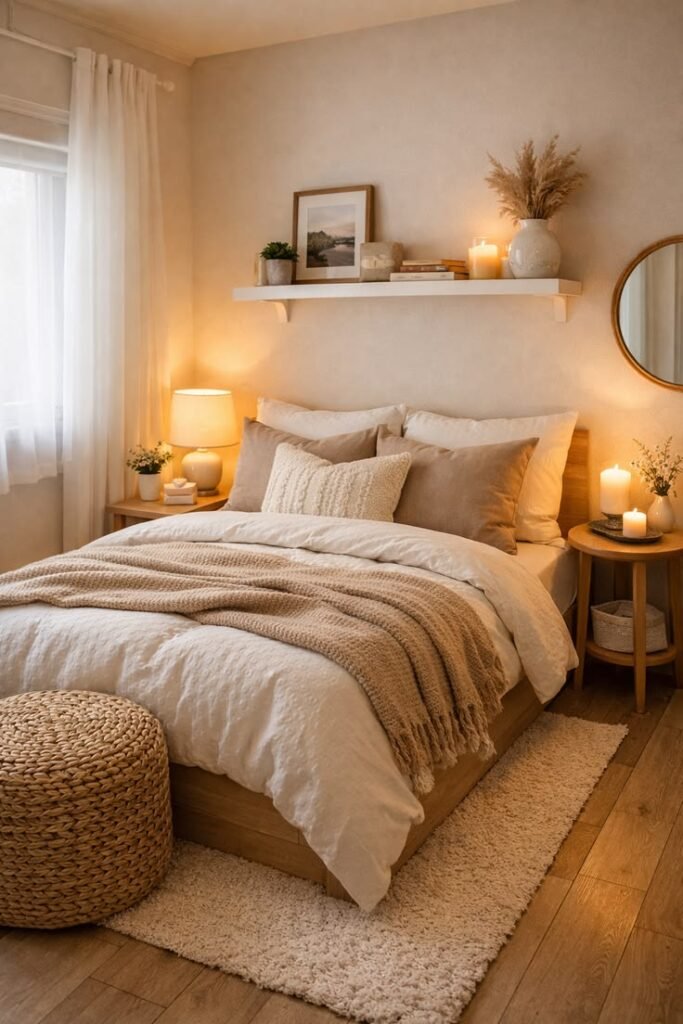
Warm ivory is like soft white’s slightly richer cousin.
Why it works for paint colors for small bedrooms:
- Feels brighter than beige but warmer than white
- Reflects natural light beautifully
- Makes rooms feel calm and clean
This color works especially well in bedrooms that get inconsistent lighting.
I like it because it never feels harsh. Some whites can feel too sharp, like they’re judging your messy laundry pile. Warm ivory? It’s more forgiving.
Ever wanted a “soft glow” effect without adding lighting? This is it.
10. Dusty Lavender
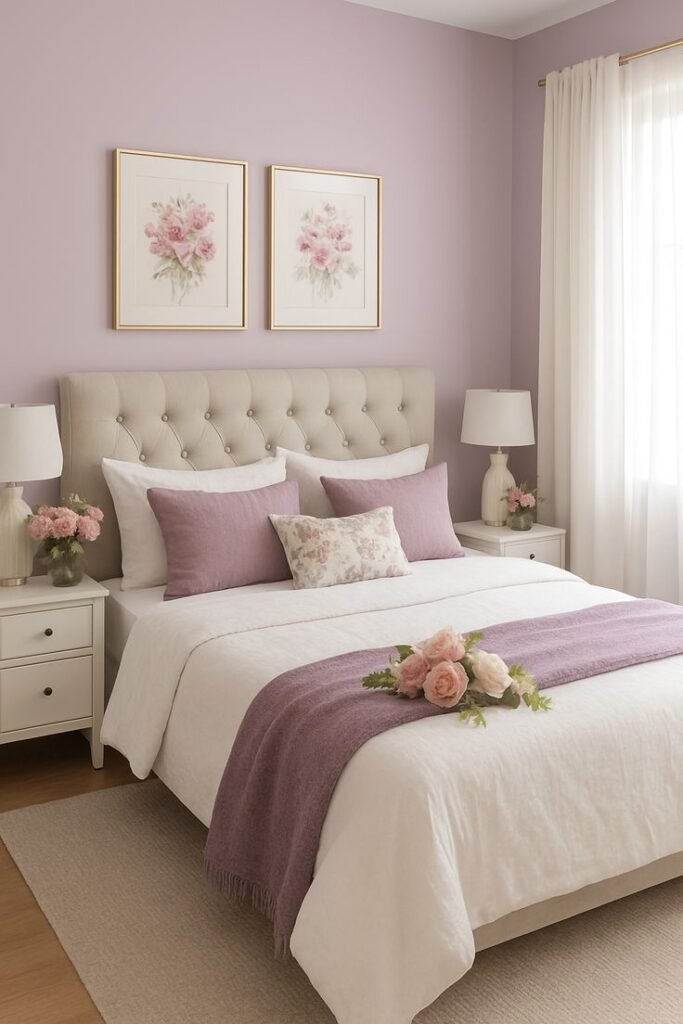
Dusty lavender is where personality starts to show up a little more.
Why it works:
- Adds subtle color without overwhelming the room
- Feels calming and slightly romantic
- Works well in both modern and classic setups
I’ll be honest, I avoided purple tones for years because I thought they were too bold. Then I tried dusty lavender in a small bedroom corner wall, and it completely changed my mind.
It didn’t scream “purple room.” It whispered “calm, soft, intentional.”
Color expert Annie Sloan once said, “Muted tones carry emotion without noise.”
And dusty lavender proves that perfectly.
11. Soft Sand
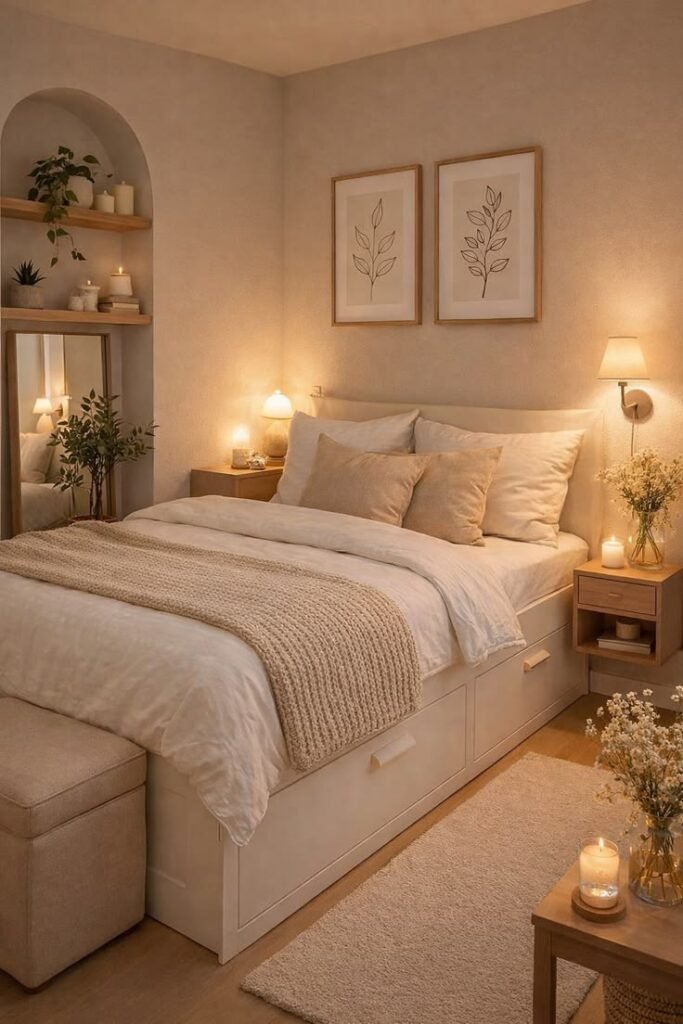
Soft sand is one of those colors that quietly wins without trying too hard.
Why it works for paint colors for small bedrooms:
- Feels warm but still neutral
- Makes small rooms feel grounded
- Pairs well with natural textures like linen and wood
This is a color I recommend when people say, “I want something safe, but not boring.”
Because soft sand never feels flat. It has just enough warmth to feel lived-in.
Ever noticed how beachy interiors always feel relaxed even when they’re minimal? That’s this tone in action.
12. Muted Olive
Muted olive is the boldest option on this list, but it’s surprisingly usable in small bedrooms when done right.
Why it works:
- Brings depth without darkness overload
- Adds natural, earthy character
- Works beautifully with neutral bedding
I once thought olive green would feel too heavy in a small room. Then I saw it paired with white bedding and warm lighting—it completely changed the mood.
Interior stylist Athena Calderone once said, “Earth tones ground a space without making it feel smaller.”
And muted olive proves that beautifully.
Final Thoughts on Paint Colors for Small Bedrooms
So here we are—12 paint colors that actually work in real small bedrooms, not just styled photos that ignore messy life and bad lighting.
The biggest lesson? There’s no single perfect shade. The right paint colors for small bedrooms depend on lighting, furniture, mood, and honestly, how you want to feel when you walk in after a long day.
Sometimes you want calm. Sometimes you want warmth. And sometimes you just want a room that doesn’t make you question your life choices when the light hits it wrong.
If I had to leave you with one thought, it’s this: don’t chase perfection. Chase comfort.
Because at the end of the day, your bedroom isn’t a showroom. It’s where you collapse, scroll your phone for too long, and pretend you’ll sleep early tonight.
And that deserves a color that actually feels right.
So pick wisely, test everything, and trust your eye more than trends.