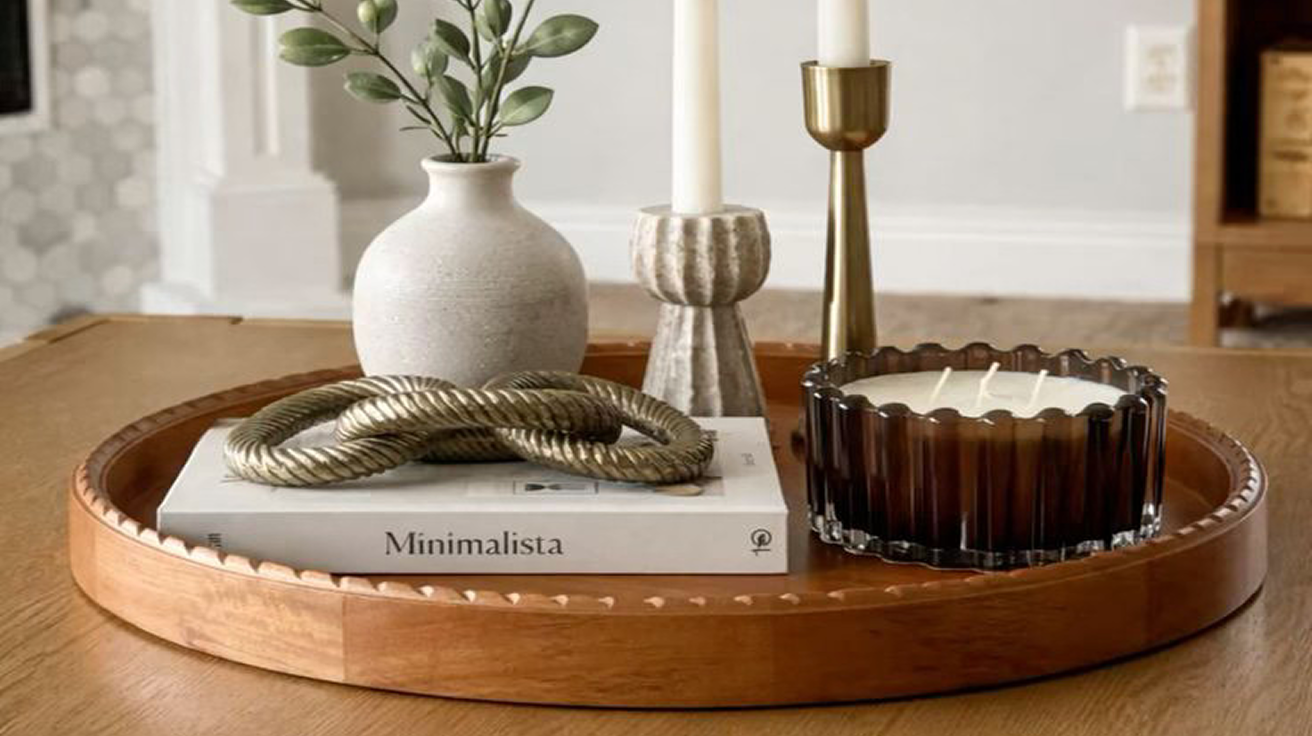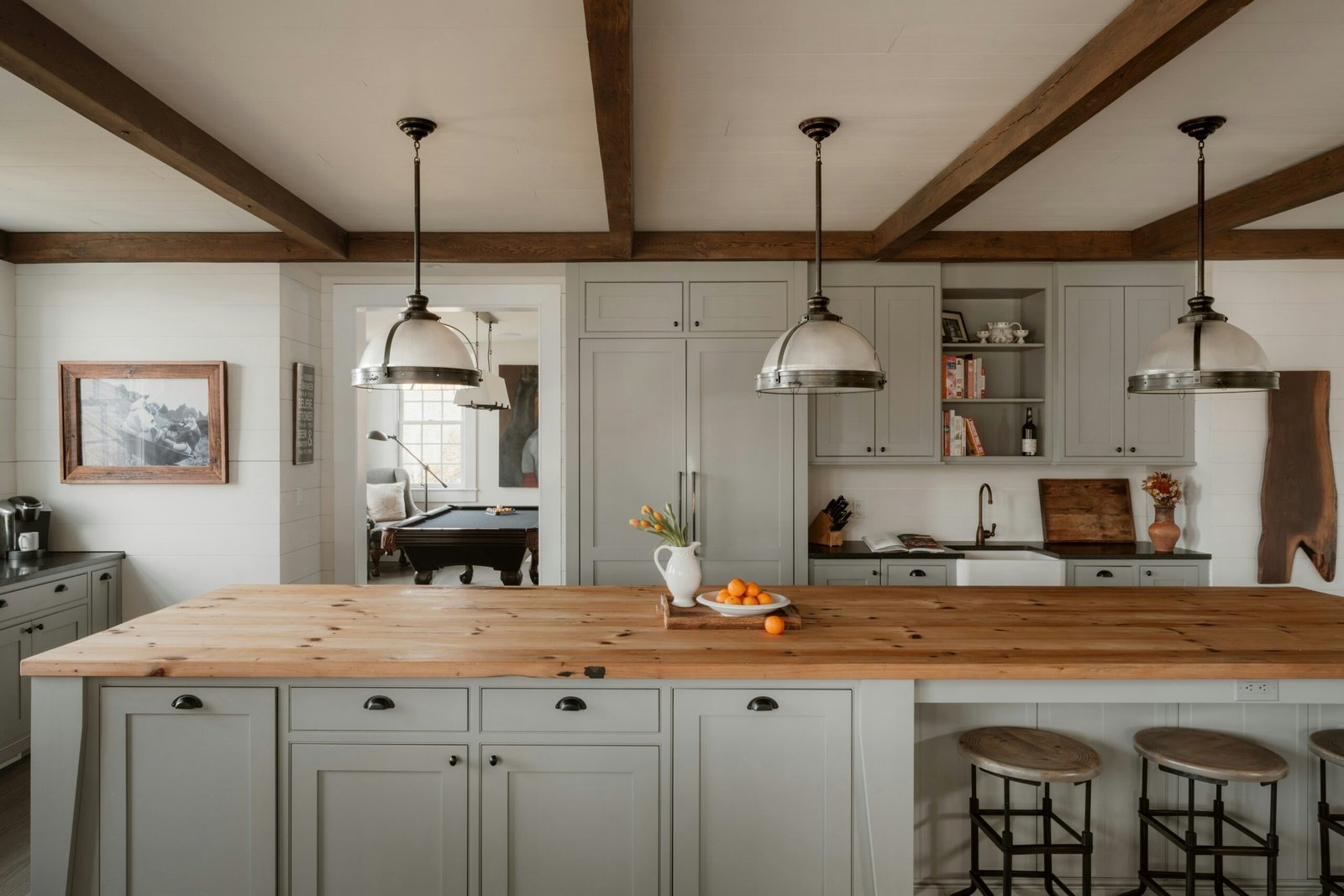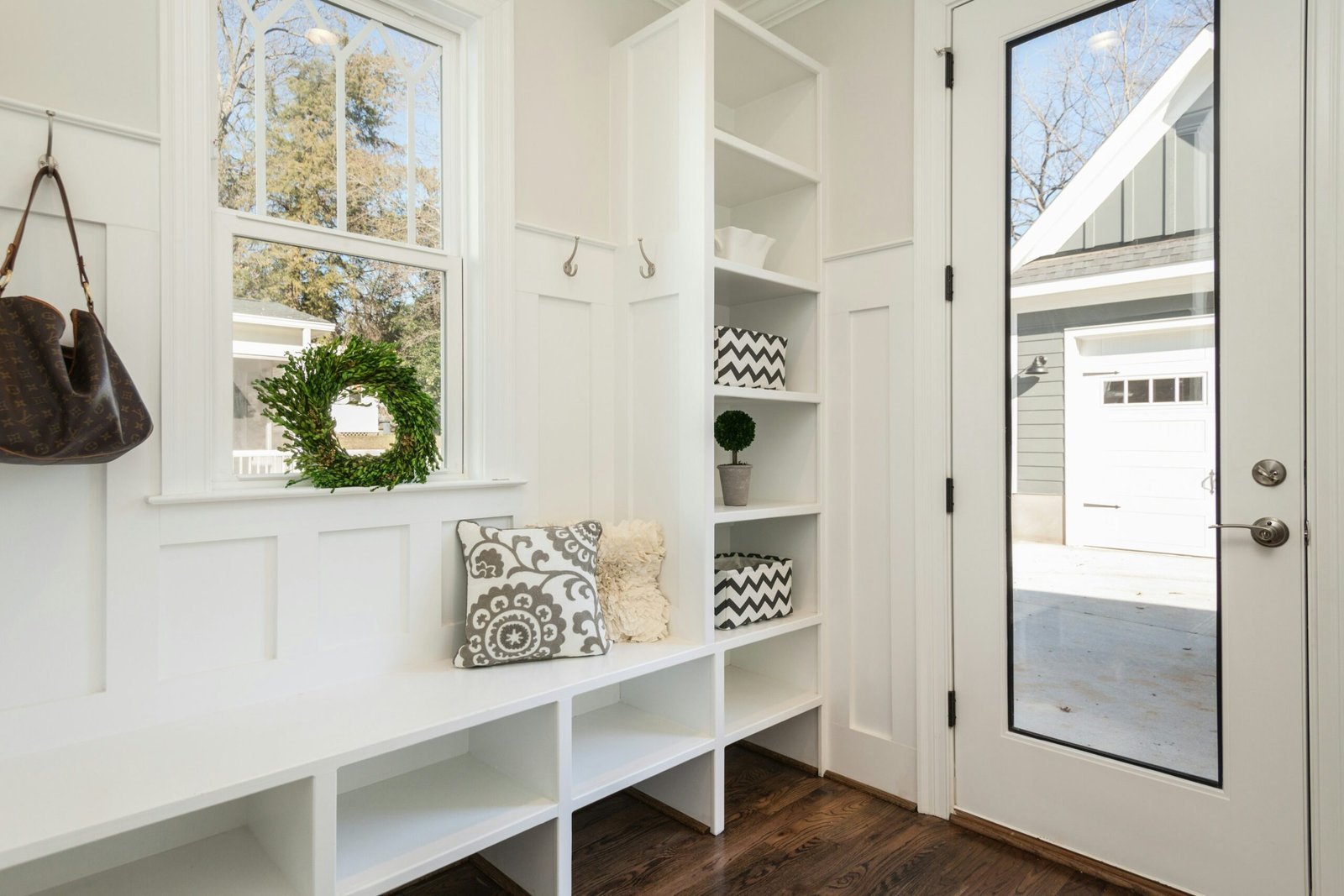

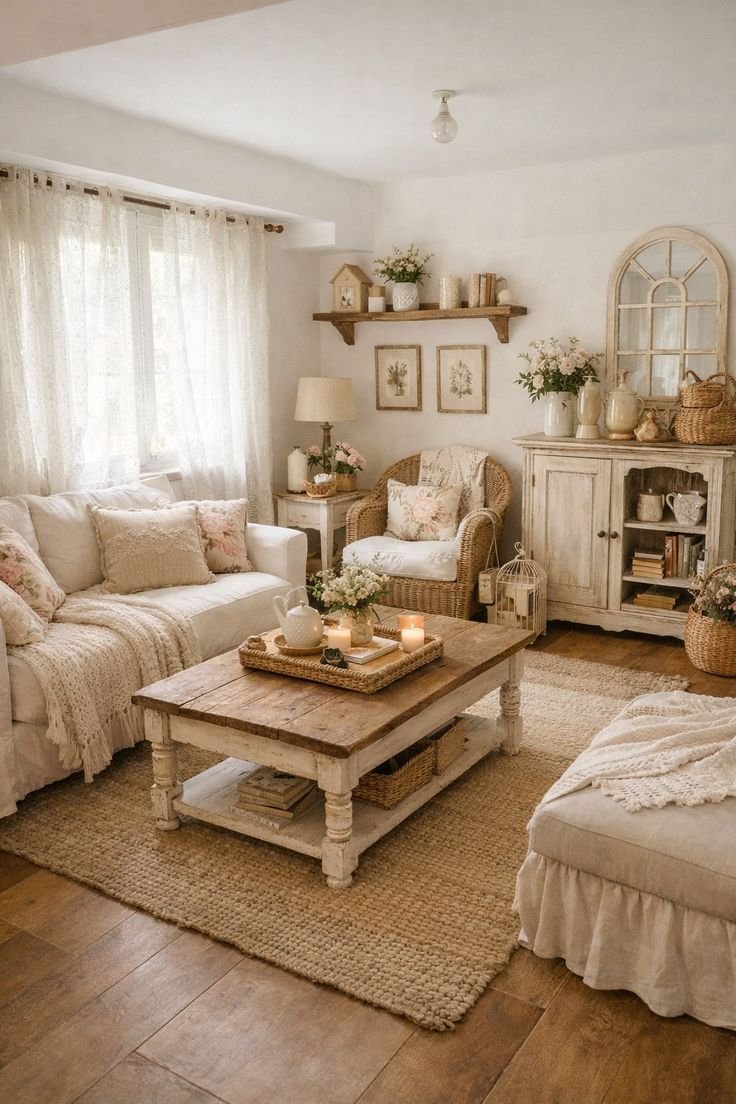
My first attempt at cottagecore style ended with three dried lavender bundles, a thrifted milk jug, and a living room that looked like a craft fair had exploded in it. Pretty? Sort of. Livable? Not even close. Eight years of decorating later, I can tell you exactly where I went wrong, and how to bring cottagecore style in your home without turning it into a museum of other people's grandmothers.
Here is the good news. Cottagecore is one of the cheapest looks to pull off, because it rewards old things, worn things, and things you already own. Ever notice how the prettiest cottage photos are full of stuff that costs almost nothing? That is not an accident.
What Cottagecore Style Actually Means (And What It Doesn't)
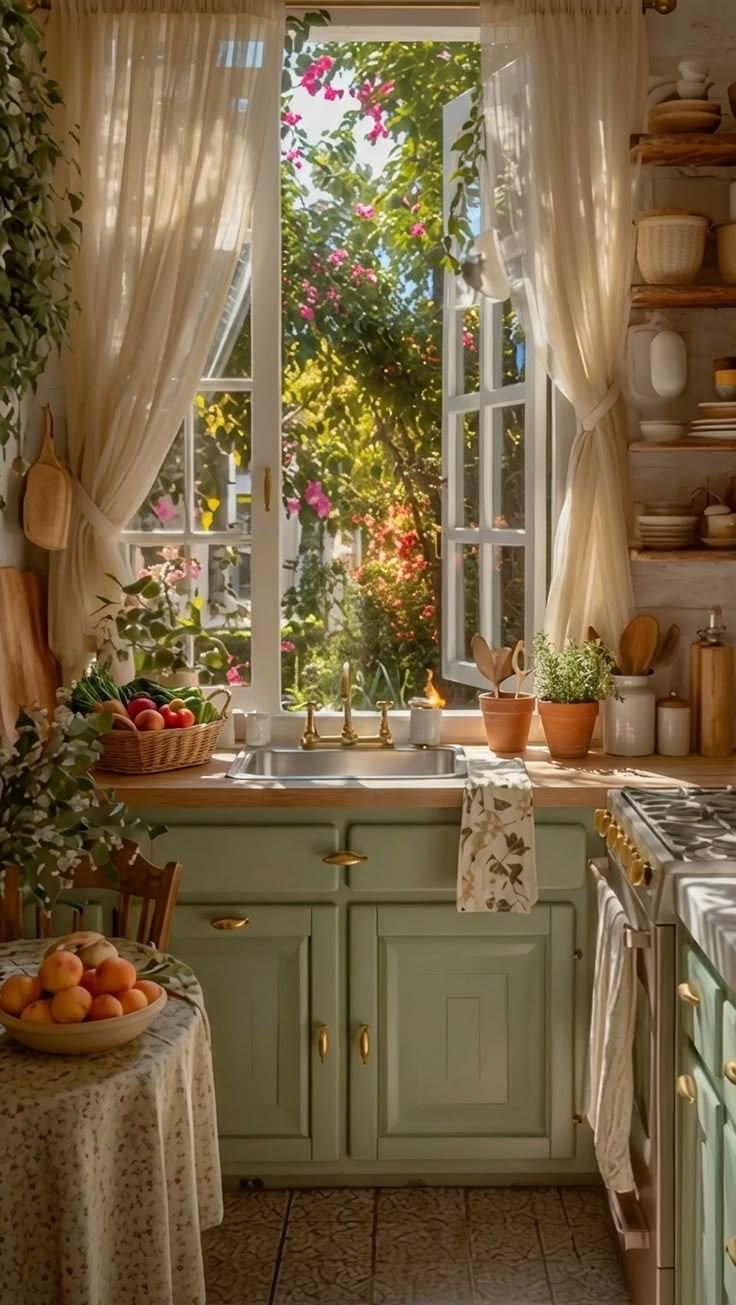
Cottagecore started as an online aesthetic about slow, rural, homemade living. Baking bread, growing herbs, mending clothes, sitting by a window with tea going cold. The decorating side simply borrows that feeling and puts it into a room.
So cottagecore style is not a shopping list. It is a mood built on natural materials, soft aged color, visible handwork, and a little controlled mess. If your room looks lived in and slightly imperfect, you are already halfway there.
"Have nothing in your houses that you do not know to be useful, or believe to be beautiful."
William Morris, "The Beauty of Life" lecture, 1880
Morris said that well over a century before anyone posted a photo of a butter dish, and honestly it is still the entire brief.
Cottagecore Style vs Farmhouse vs Shabby Chic
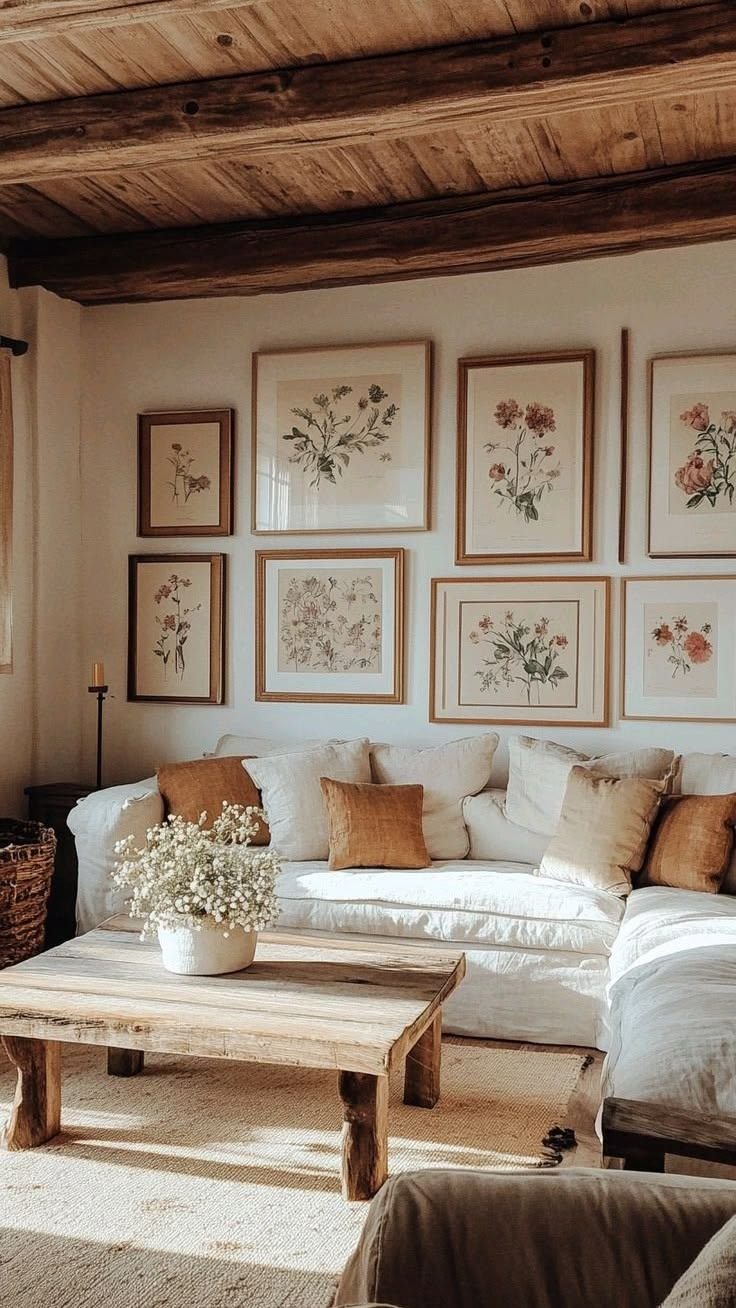
People mix these up constantly, and then wonder why their room feels off. The differences are real:
- Modern farmhouse leans crisp and graphic. White walls, black frames, shiplap, sharp contrast.
- Shabby chic leans pale and distressed. Chalk paint, sanded edges, lots of white on white.
- Cottagecore leans warm and green. Deeper color, small florals, real plants, and objects that show actual use rather than fake wear.
The quickest test I use: if everything matches, it is farmhouse. If everything is painted the same chalky white, it is shabby chic. If it looks like someone gardens and cooks there, it is cottagecore.
Why Cottagecore Style Works So Well in Normal Homes
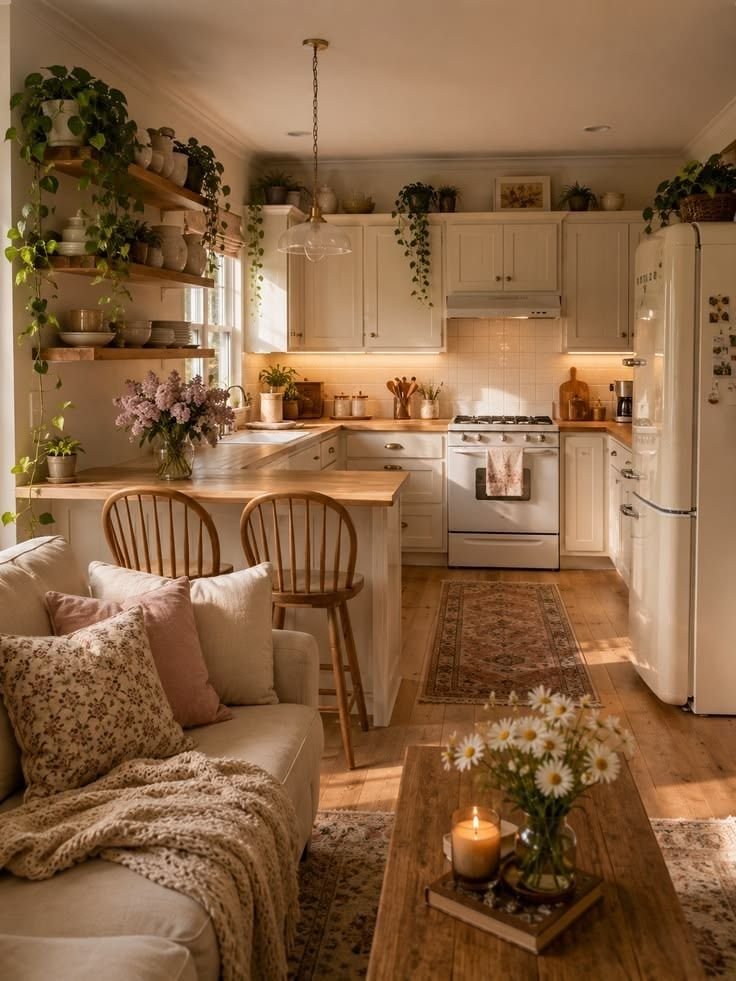
You do not need a stone cottage. I decorated my first apartment this way and it had beige carpet and one sad window facing a car park.
Cottagecore style works in ordinary homes because it is forgiving. Mismatched furniture is a feature. A chipped jug is a feature. A stack of books doubling as a side table is, you guessed it, a feature. Minimalism punishes you for every stray object. This look thanks you for them.
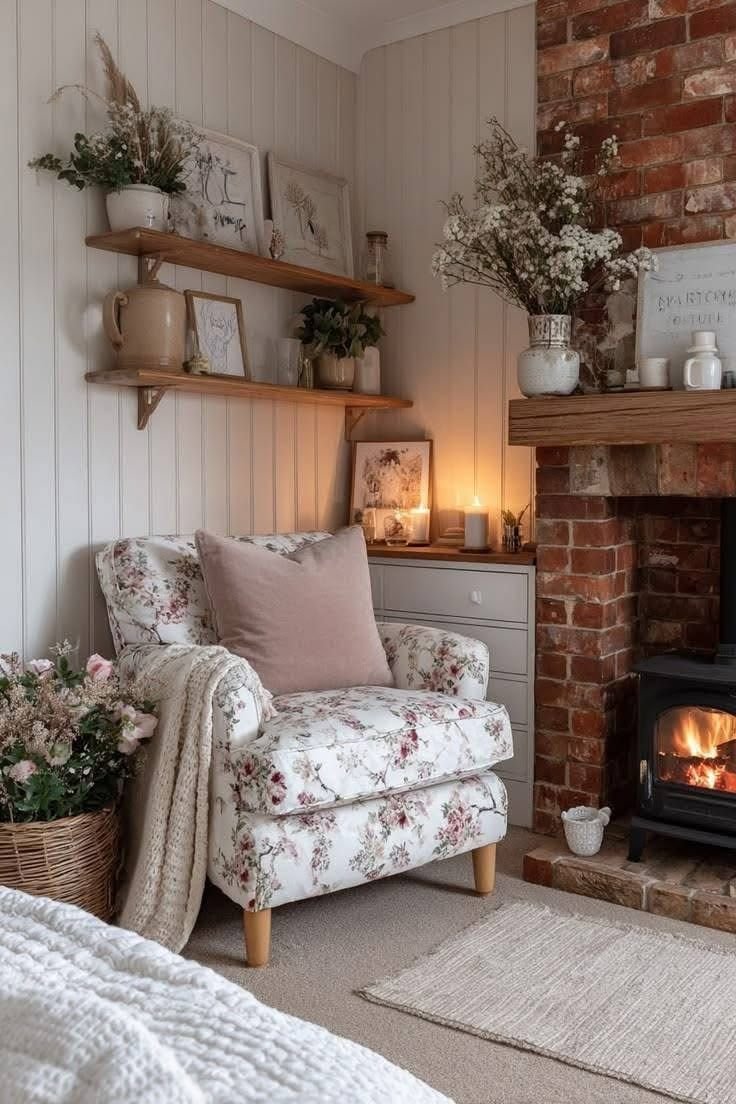
It also handles small spaces well. Layering soft textiles and warm color makes a cramped room feel cozy instead of cramped. Ever walked into a tiny room that felt like a hug rather than a cupboard? That is layering doing its job.
The Cottagecore Color Palette That Does the Heavy Lifting
I sell paint palettes for a living, so I will be blunt with you. Color does about 60 percent of the work here, and most people get it wrong by picking whites that are too cold.
A cottagecore palette usually runs like this:
- Warm whites and creams with a yellow or beige base, never a blue base.
- Soft greens from sage to olive, borrowed straight from the garden.
- Muted earth tones like clay, oatmeal, mushroom, and weathered terracotta.
- One gentle accent such as dusty rose, butter yellow, or faded denim blue.
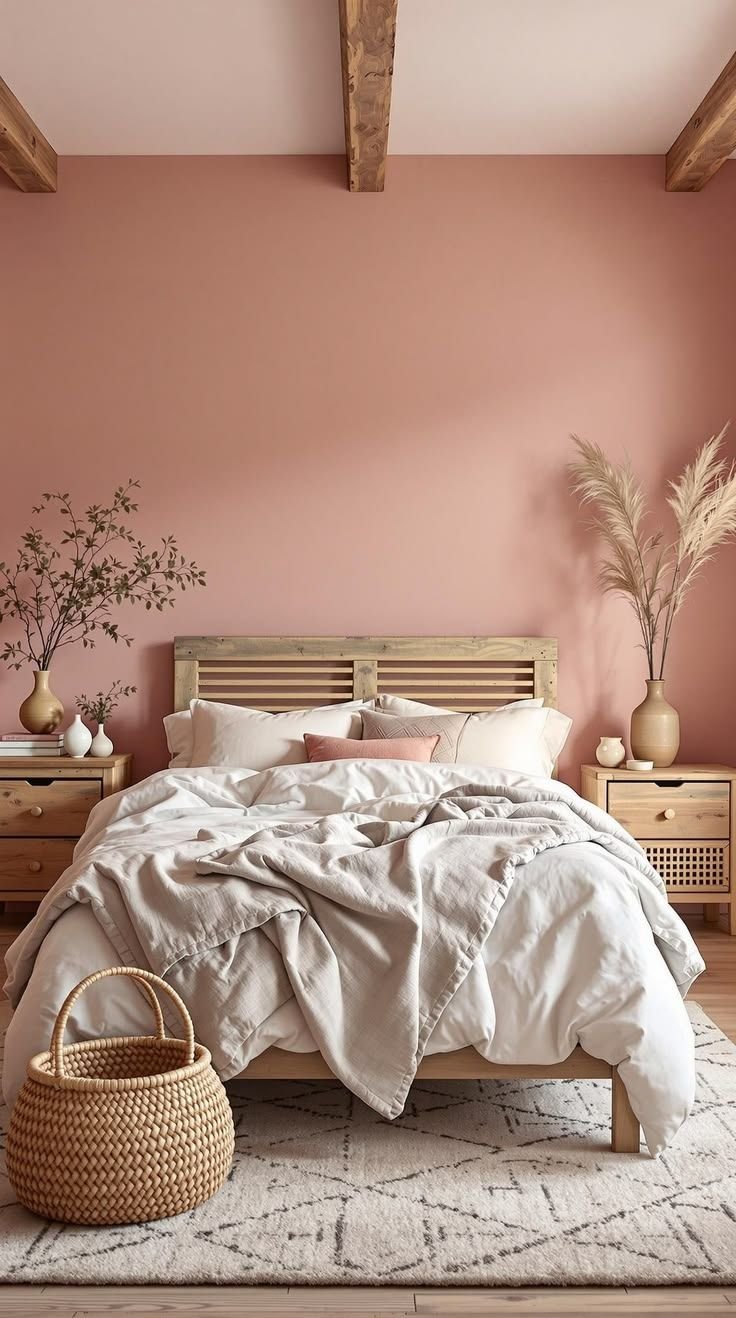
Keep the bold colors for small doses. A whole room of rose pink stops being charming around day four, and I say that as someone who painted a bedroom that exact color and repainted it eleven weeks later.
"I believe in plenty of optimism and white paint."
Elsie de Wolfe, "The House in Good Taste," 1913
She was right about the optimism. I would only add that the white needs to be warm, or the whole room turns into a dentist's waiting area.
Three Things to Sort Out Before You Add Cottagecore Style
Skip these and you will spend money twice. I know because I did.
- Check your light. North facing rooms turn cool greens grey and muddy. Test paint on the actual wall and look at it in the evening too.
- Fix your lighting temperature. Swap harsh cool bulbs for warm ones around 2700K. This single change costs almost nothing and transforms a room.
- Declutter the plastic. You cannot layer cozy things on top of a plastic laundry basket and a black gaming chair. Move the obvious offenders out first.
Right, now the fun part.
13 Ways to Bring Cottagecore Style in Your Home
01Paint the Walls a Warm, Slightly Dirty White
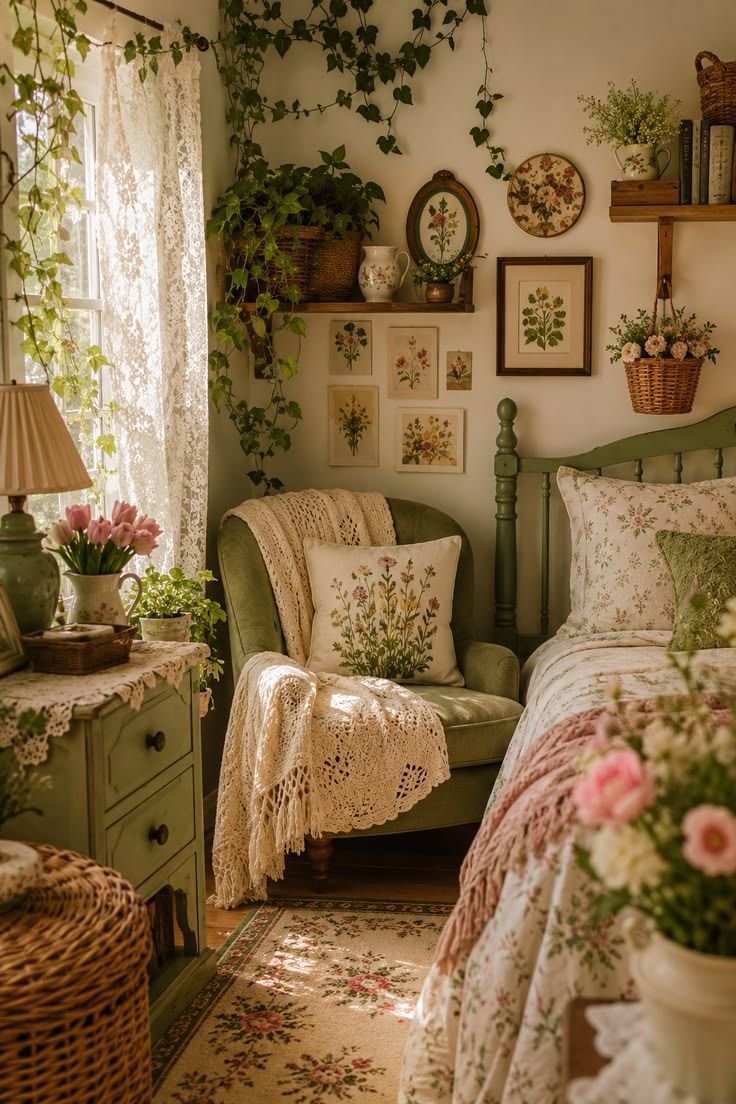
Pure brilliant white is the enemy of this look. Choose a white with a hint of cream, clay, or green in it so the walls feel soft rather than clinical.
I use warm whites in every room I want to feel bigger, and a deeper sage or clay in rooms I want to feel like a nest. Bedrooms and reading corners do well with the darker option.
02Bring In Small Scale Florals, Not Giant Ones
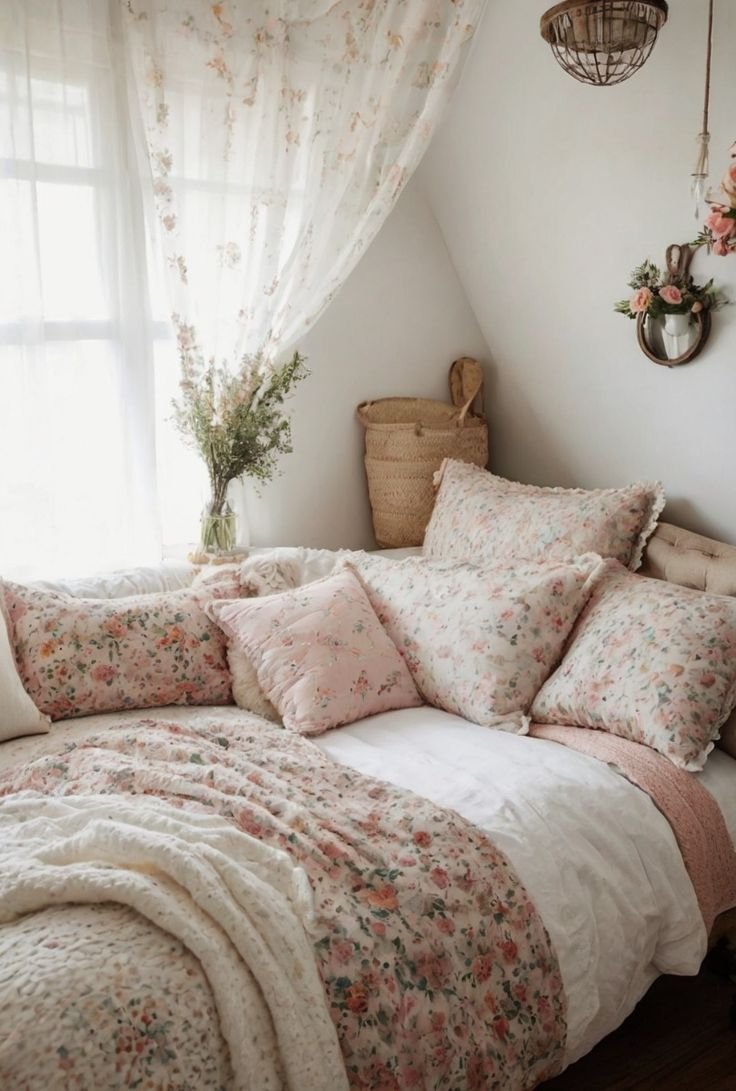
Big splashy florals read modern or tropical. Small repeating prints read cottage. Think ditsy sprigs, tiny roses, faded chintz.
Start with something low commitment. A cushion cover, a table runner, or a single armchair. Ever tried wallpapering a whole room in florals as your first move? Please do not. Start small, live with it, then expand.
03Let Real Plants Do the Decorating
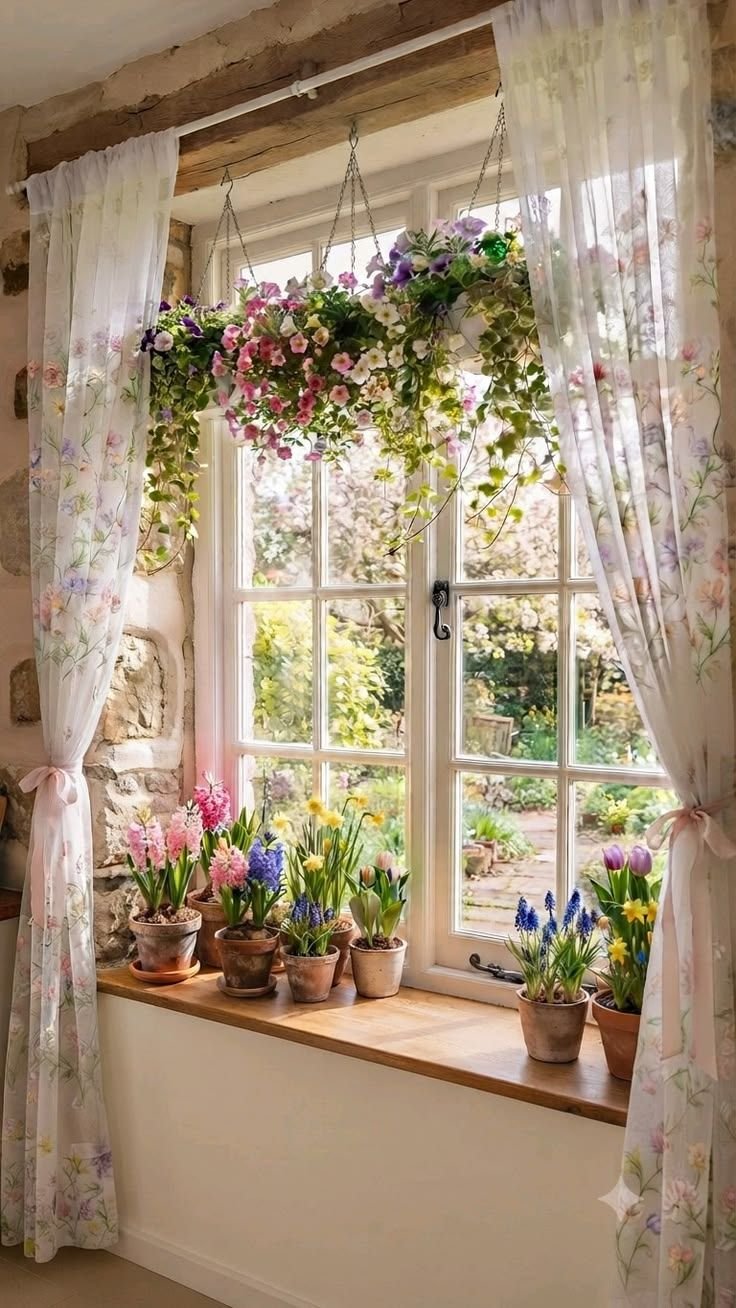
Nothing signals cottagecore faster than living green in a room. A trailing pothos on a shelf, geraniums on a windowsill, herbs by the sink.
Buy plants that survive you, not plants that photograph well. My rule is simple: if I have killed it twice, I stop buying it. That rule has saved me roughly the price of a small sofa in dead ferns.
04Swap Your Hardware for Aged Brass or Black Iron
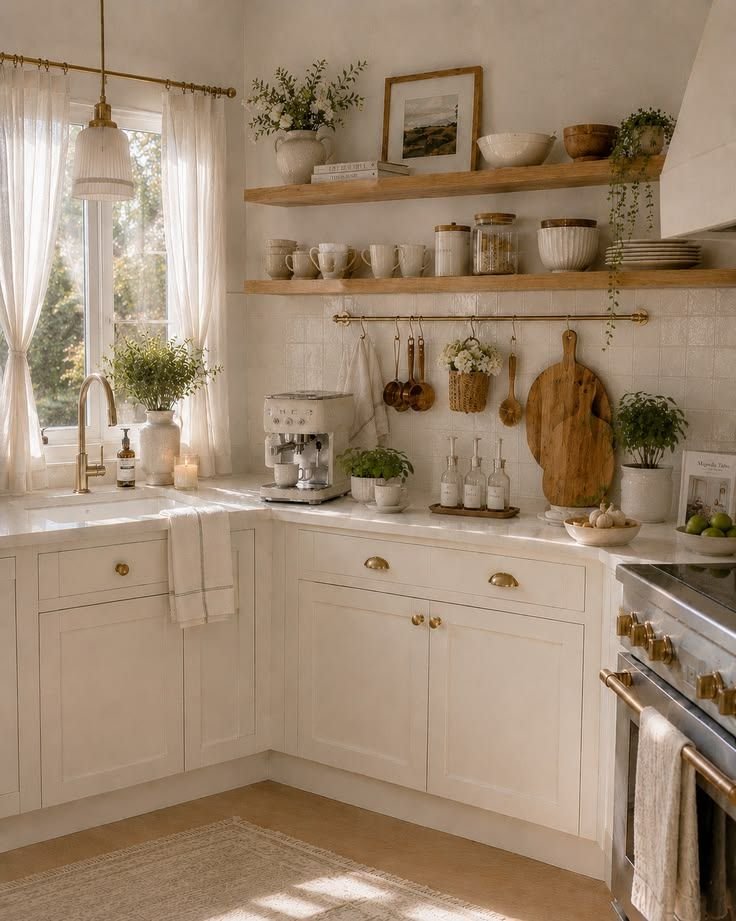
This is the cheapest upgrade with the biggest payoff. Shiny chrome knobs on kitchen cabinets fight the whole look. Unlacquered brass, aged bronze, or simple black iron fixes it in an afternoon.
Do the same with your door handles if your budget stretches. Nobody consciously notices good hardware, but everybody notices bad hardware.
05Layer Vintage Textiles Everywhere
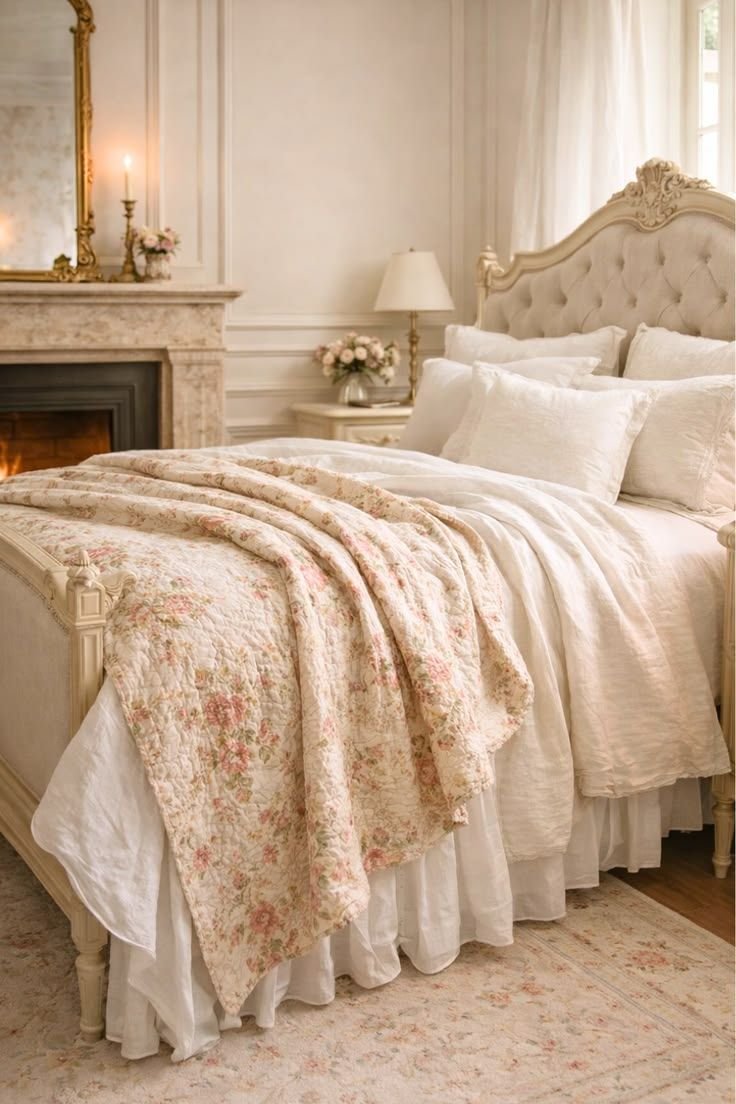
Quilts, linen throws, crocheted blankets, old cotton tea towels. Cottagecore style lives and dies by fabric.
The trick is layering different weights together:
- A heavy quilt folded at the end of the bed
- A lightweight linen sheet underneath
- Two or three cushions in mismatched but related prints
Buy vintage where you can. Old cotton and linen soften with age in a way that new polyester never will, and secondhand quilts often cost less than new cushion covers.
06Open Shelves With Stoneware You Actually Use
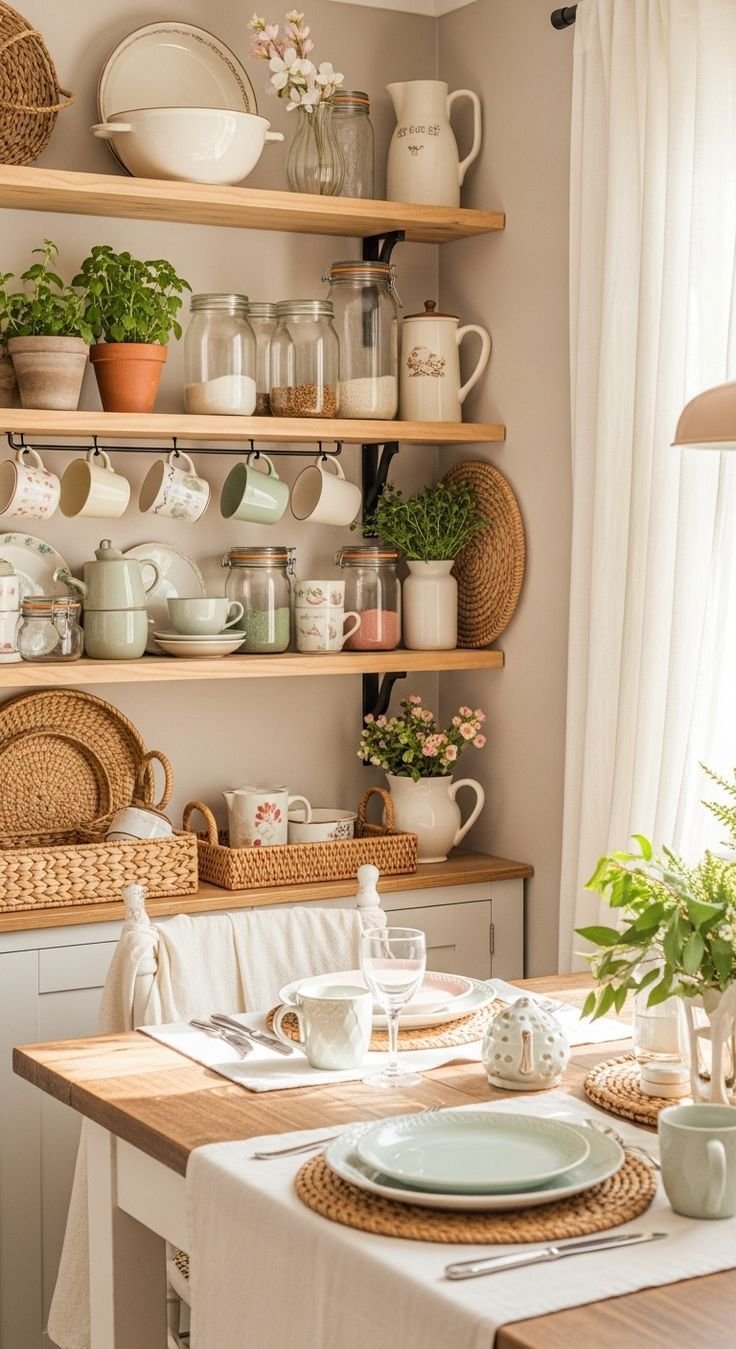
Take one upper cabinet door off in the kitchen and see how it feels. Stack plain stoneware plates, mismatched mugs, a couple of glass jars of dried beans.
Keep it functional. The moment those shelves become purely decorative, dusting becomes your new hobby, and I promise it is a bad hobby.
"Simplify, simplify."
Henry David Thoreau, "Walden," 1854
Thoreau said it twice, which feels slightly ironic, but the man understood editing a room.
07Hang Dried Flowers and Herb Bundles
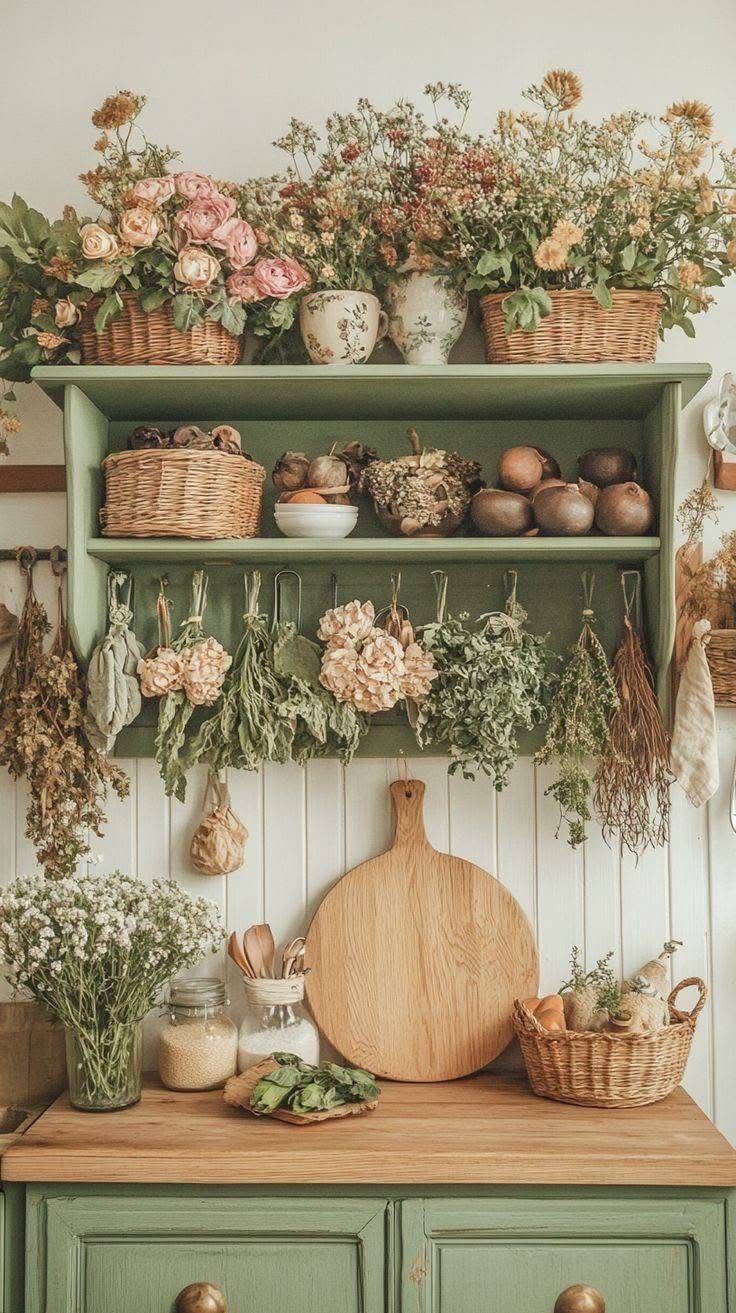
Dried hydrangea, lavender, eucalyptus, wheat. Hang them from a hook, tuck them into a jug, tie a bundle to a cabinet knob.
Here is my honest opinion after years of this: dried flowers look wonderful for about six months and depressing afterward. Refresh them seasonally or you end up with grey dust sculptures.
08Choose Wood Furniture With Visible Grain
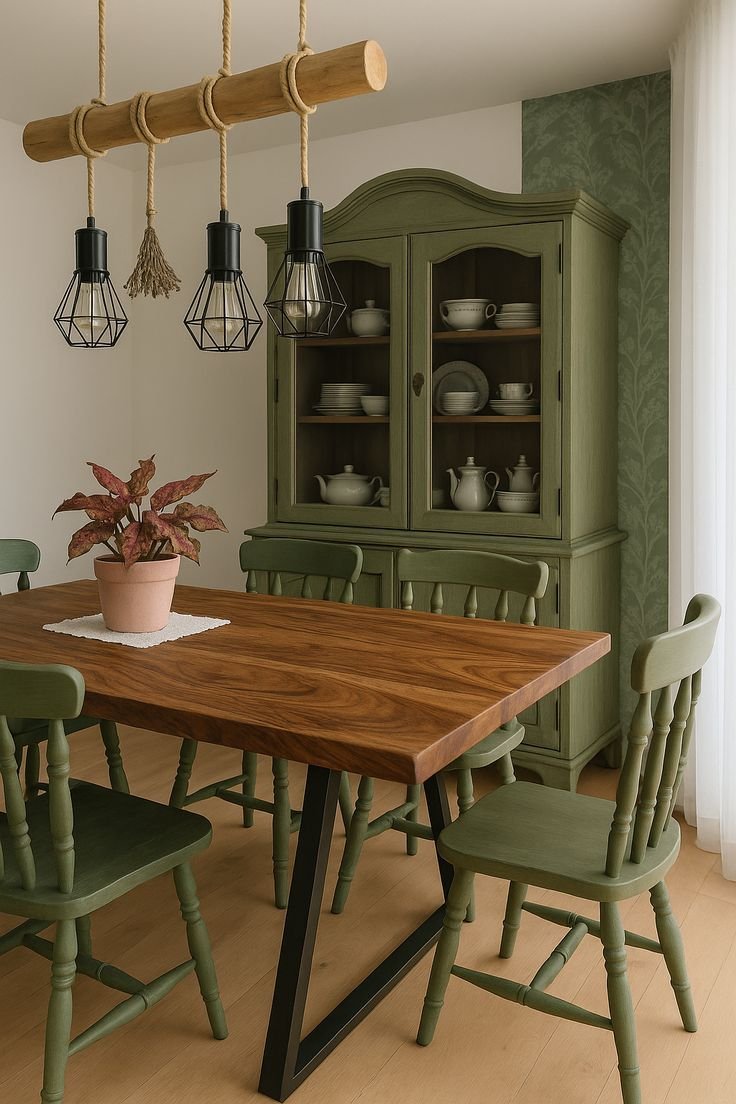
Cottagecore hates uniform factory finishes. Look for pine, oak, and elm where you can see the knots and marks.
Mismatched is correct here. A dark dresser, a honey pine table, and a painted chair can absolutely share one room. Match the wood tones loosely, not exactly, and let them argue a little.
09Layer Your Lighting and Kill the Ceiling Light
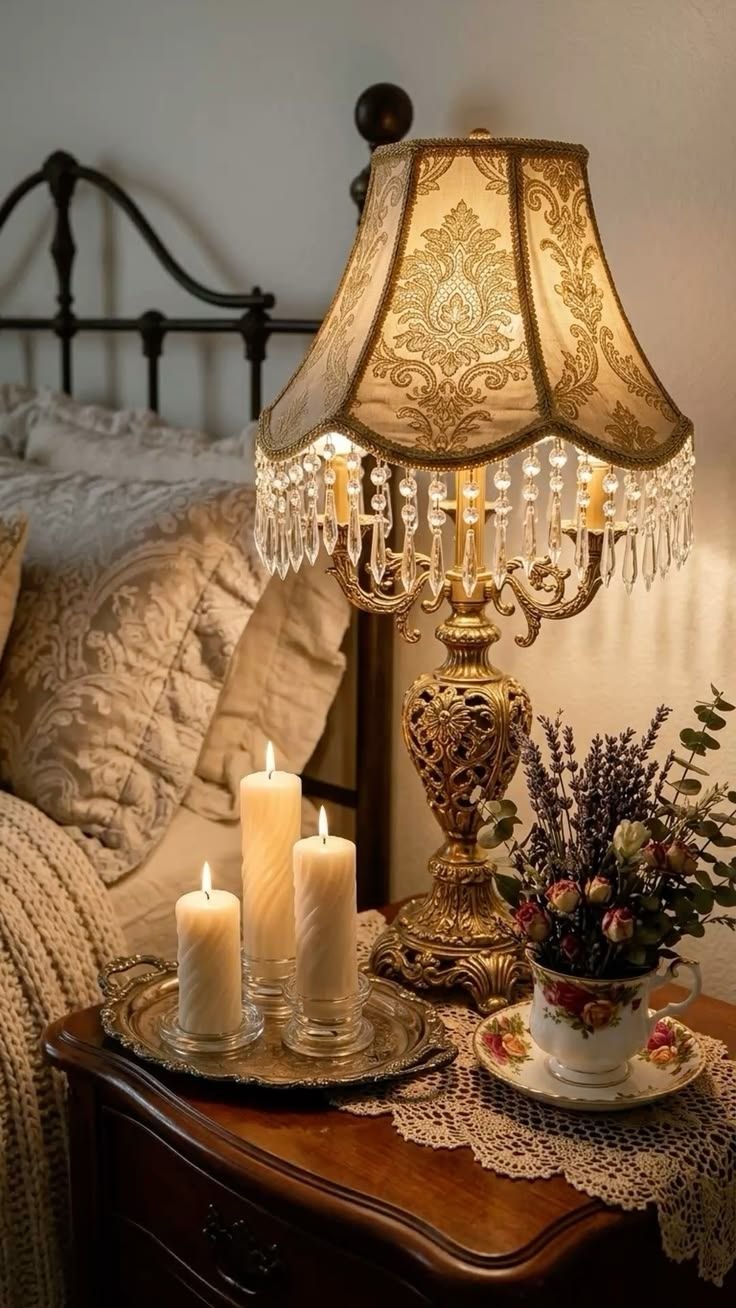
Overhead lighting flattens everything. Table lamps, floor lamps, and candles create the pools of warm light that make cottage rooms feel alive.
Aim for three light sources per room at different heights. Add a dimmer if you can. My living room has four lamps and the main light has not been switched on since roughly 2021.
10Build a Reading Nook, Even a Bad One
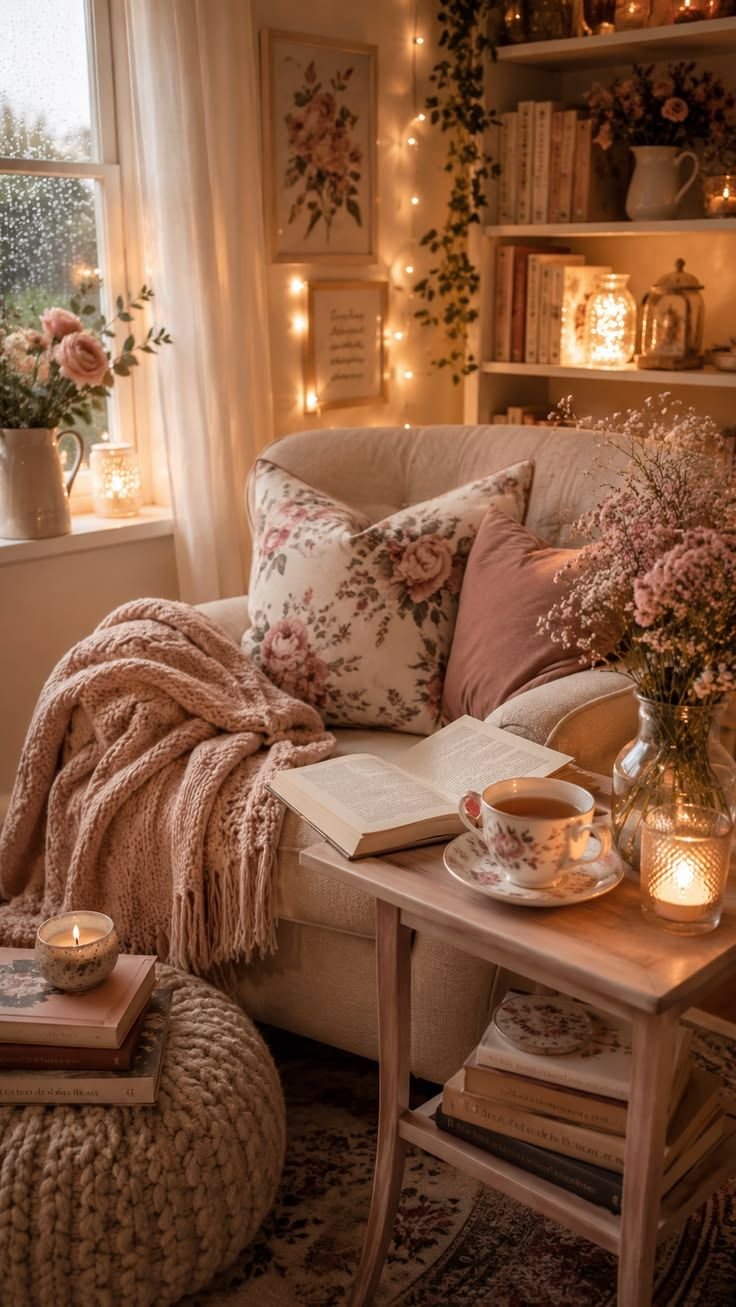
You do not need a bay window. A chair in a corner, a small side table, a lamp, and a folded blanket is enough.
This is where cottagecore stops being a look and becomes a way to use your home. Ever noticed how the corner you actually sit in becomes the prettiest corner by accident? Objects gather there because you live there.
11Fill the Walls With Botanicals, Books, and Old Frames
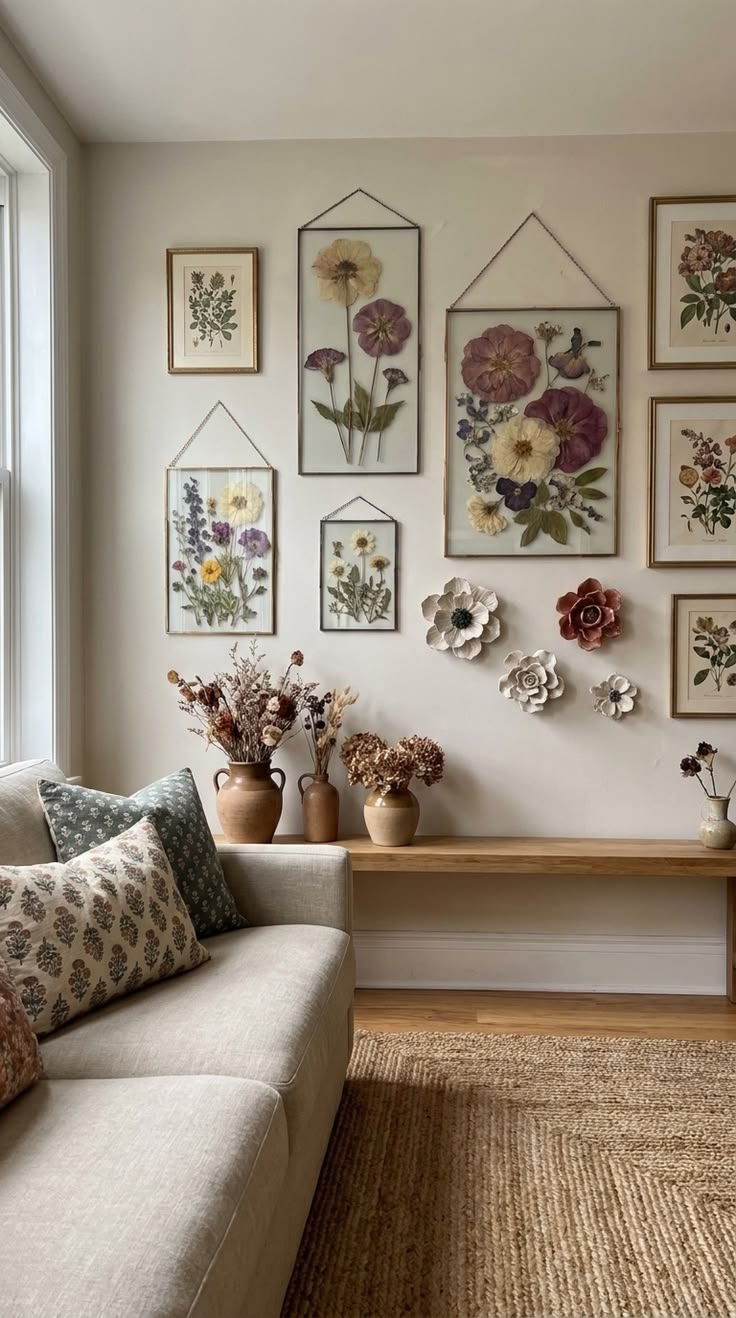
Frame pressed flowers, vintage seed packets, botanical prints, or your own photos of the garden. Mix frame styles rather than buying a matching set.
Books count as decor here. Stack them horizontally, leave them on side tables, let them pile up. A cottagecore room with no books looks like a stage set.
"A garden is a grand teacher."
Gertrude Jekyll, "Wood and Garden," 1899
Jekyll spent her life proving that the garden and the house should speak the same language. Bring the outside onto your walls and the rooms stop feeling sealed off.
12Add Gathered and Ruffled Fabric
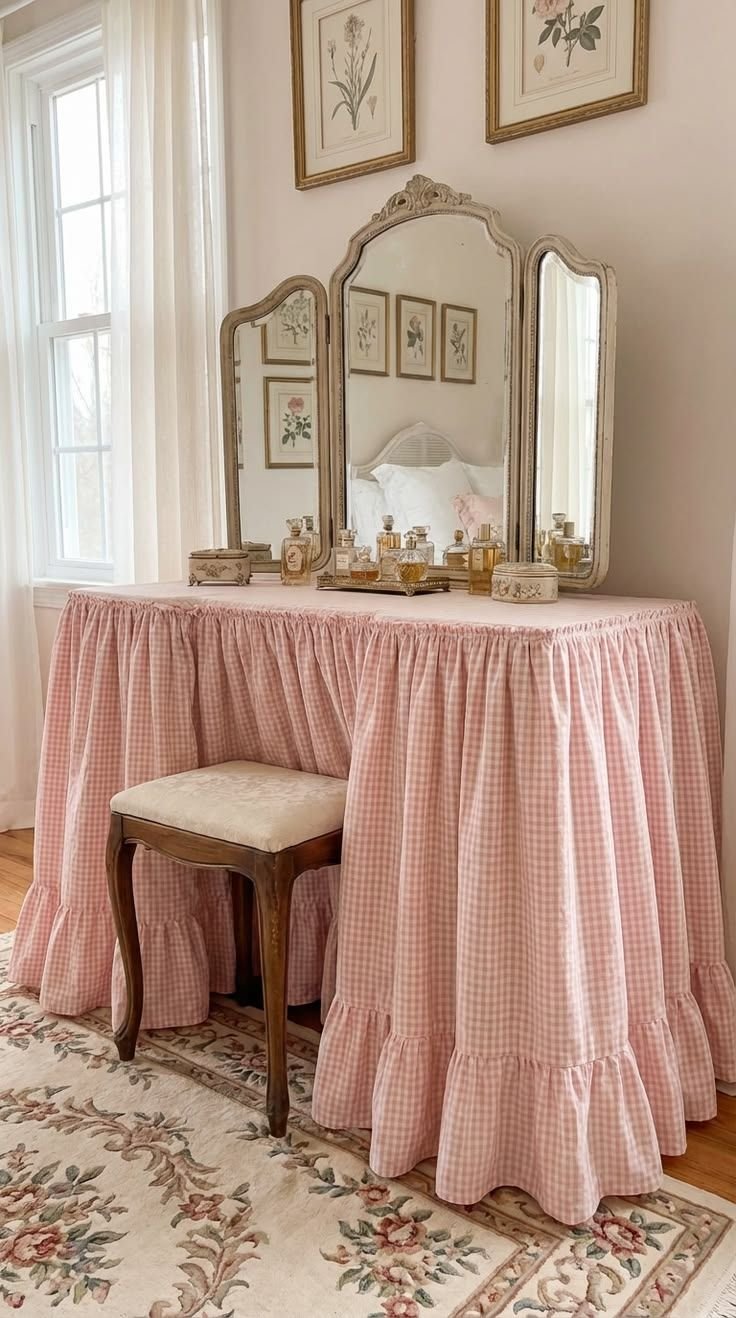
A skirted side table, a gathered curtain, a ruffled cushion edge, a bed skirt. Soft gathered fabric is the detail that separates cottagecore from plain rustic.
It also hides sins. My skirted table conceals a router, two chargers, and a box of paperwork I have been ignoring since spring. Decorative and useful, which Morris would have approved of.
13Make One Corner a Small Daily Ritual
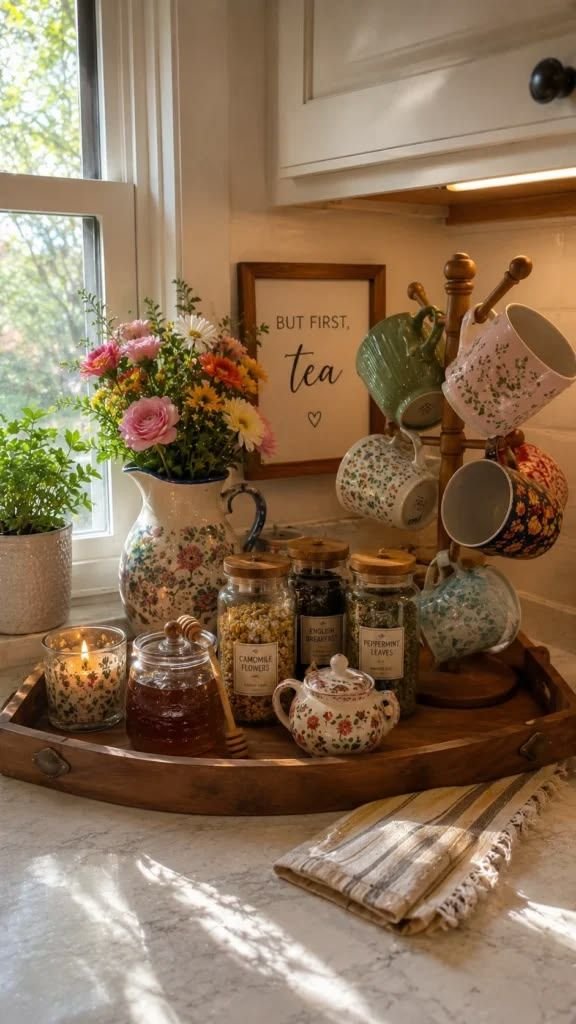
A tea station with a kettle and loose leaf tins. A bread board that stays out. A herb pot by the kitchen window you actually snip from.
This is the one most people skip, and it is the one that matters most. Cottagecore style is a lifestyle aesthetic, so a room that shows no evidence of slow living just looks like a props cupboard.
Cottagecore Style Mistakes That Cost Me Money
Learn from my receipts:
- Buying fake distressed furniture. New furniture pretending to be old reads cheap in person. Real secondhand costs less and looks better.
- Going all in on one theme. A room of nothing but mushrooms and bunnies is a costume, not a home.
- Cold grey greens. Sage with a blue undertone turns cold in low light. Choose greens with yellow in them.
- Too much clutter too fast. I added everything in one weekend and had to remove half of it by Monday.
How to Keep Cottagecore Style From Looking Like a Costume
The line between charming and twee is thinner than people admit. My fix is a ratio. Roughly 70 percent plain and useful, 30 percent decorative and sweet.
Keep the big pieces simple. Plain sofa, simple table, honest wood. Let the charm live in the small layers: the textiles, the plants, the jug of dried flowers, the mismatched mugs.
Also let modern things exist. Your laptop and your kettle are allowed to be visible. Ever seen a cottage interior with zero evidence of the current century? That is a photoshoot, not a house.
Final Thoughts on Cottagecore Style at Home
You do not need a cottage, a garden, or a sourdough starter with a name. You need warm color, natural materials, layered soft lighting, real plants, and objects that show honest wear.
Pick three ideas from this list and try them this week. Swap your bulbs, add a lamp, put something green on the windowsill. Then live with it before you buy anything else.
And if you do end up with three lavender bundles and a milk jug, at least you will know exactly which two to put away.
Filed under