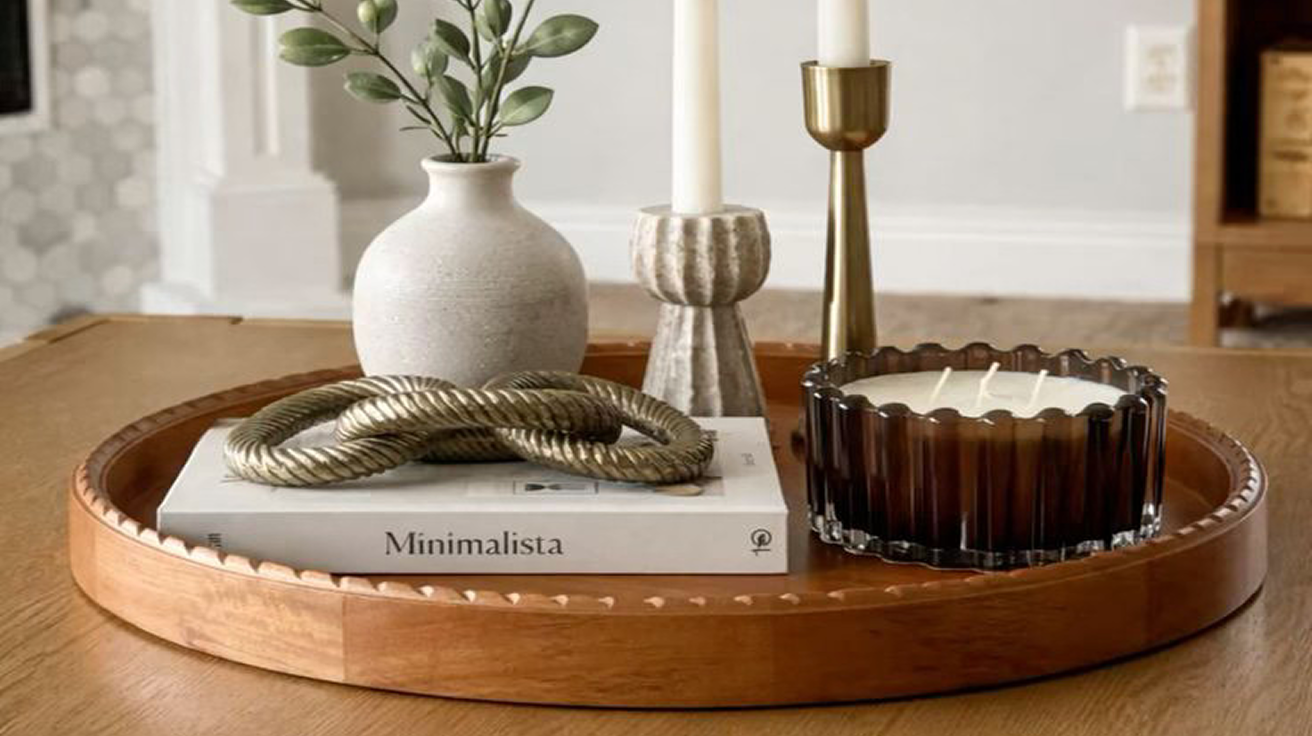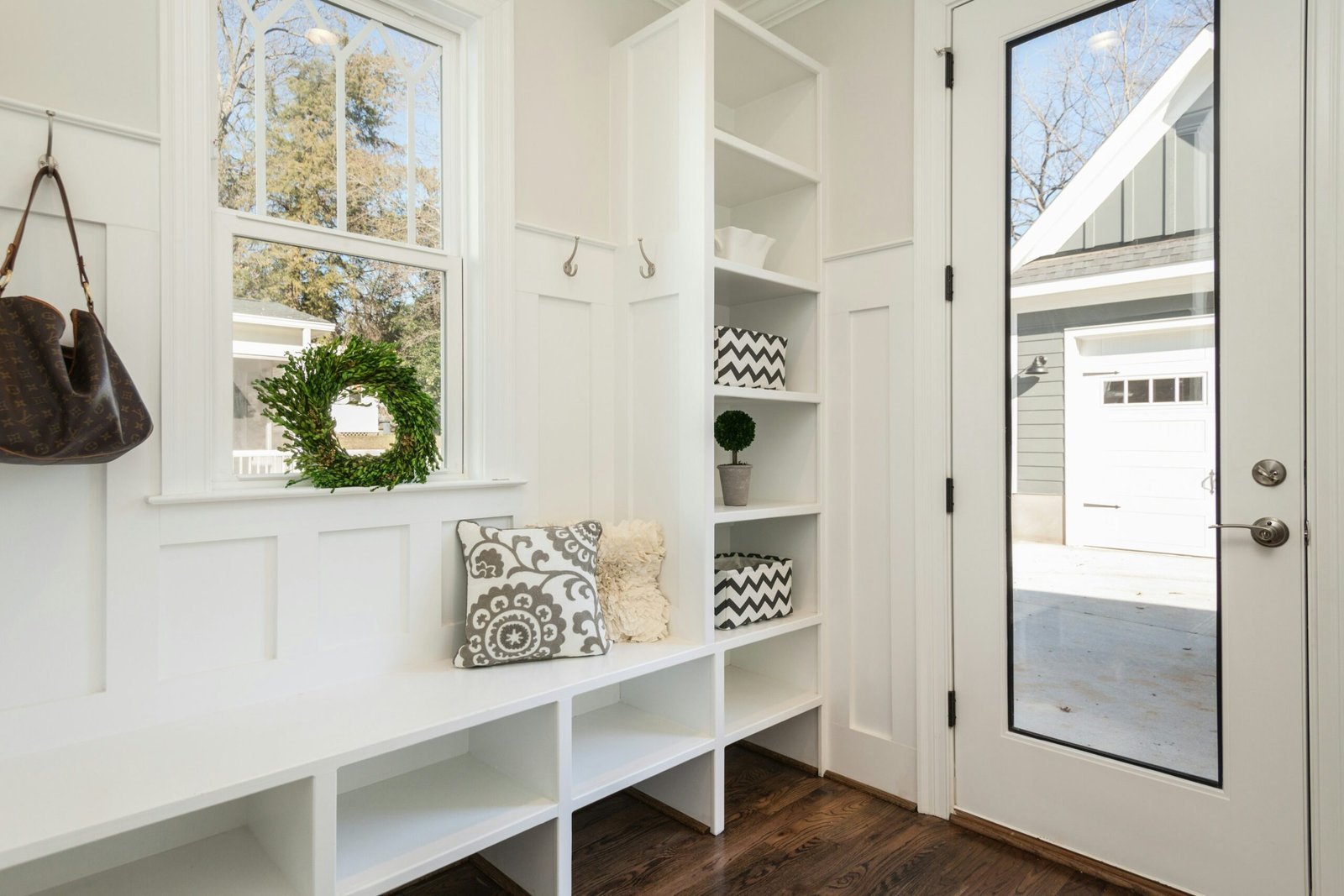

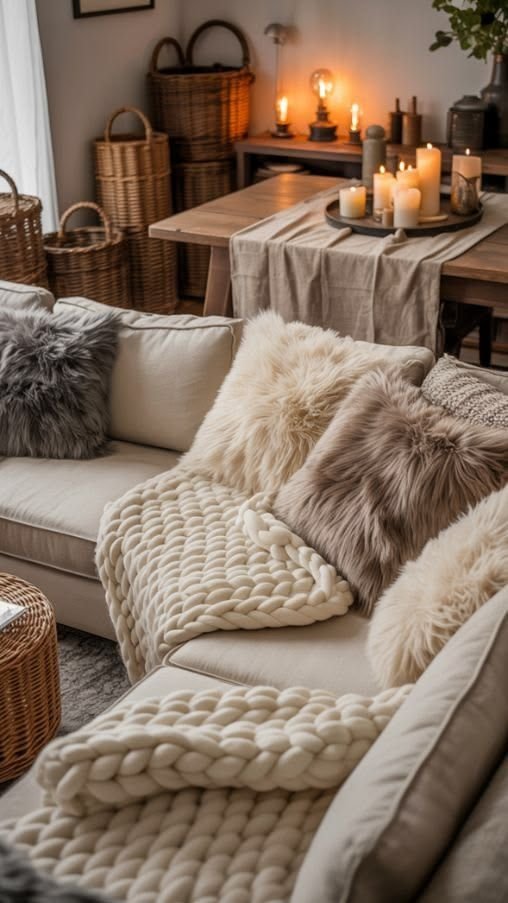
Winter has a funny way of making every little corner of the house feel colder. Suddenly, that perfectly fine sofa looks like it needs three blankets, the bedroom feels a little too bare, and the overhead light starts giving you the charm of a dentist's office. That's exactly why I love winter decor ideas for a cozy home that focus on warmth, texture, light, and comfort rather than simply adding more seasonal decorations.
Over the years, I've noticed that the coziest rooms rarely follow one strict decorating style. They usually combine soft fabrics, warm lighting, natural materials, personal pieces, and a few seasonal touches. The trick comes from knowing what to add and, just as importantly, what to leave alone.
So before we get into the actual ideas, let's talk about what really makes a home feel cozy during winter.
What makes a home feel cozy in winter?
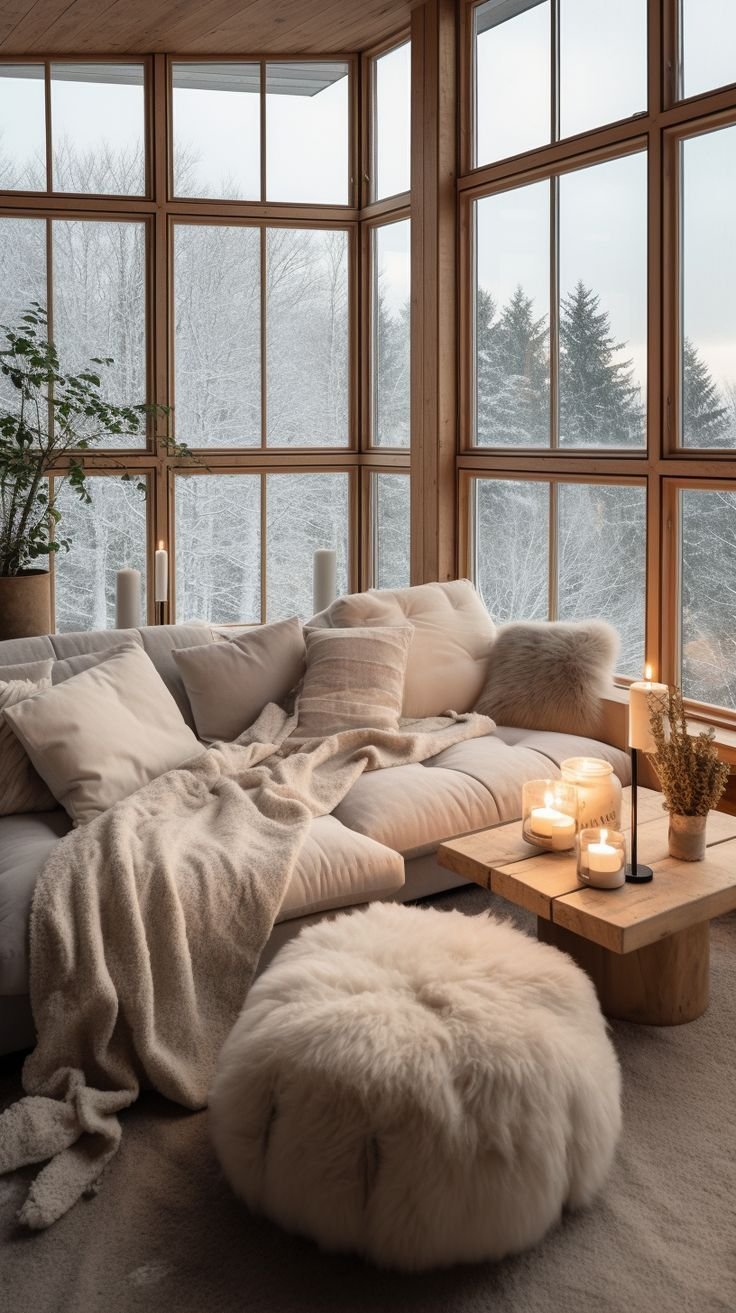
People often assume that cozy winter decor means covering every surface with blankets, candles, pumpkins, pinecones, and enough throw pillows to make sitting on the sofa physically impossible.
I disagree.
Cozy comes from sensory contrast. You want softness against harder surfaces, warm light against darker corners, natural materials against smooth finishes, and a few richer colors against your existing palette.
When I decorate for colder months, I pay attention to how a room feels before I worry about how it photographs. Does the sofa invite you to sit down? Does the bedroom feel relaxing at night? Does the lighting make you want to stay for another cup of coffee?
Those questions matter more than whether every seasonal accessory matches.
Architectural Digest also highlights this approach, recommending layered textures, warm lighting, natural elements, and richer materials when creating a winter sanctuary.
"The more texture you have in a space, the more you feel like you can live in it."
Alison Davin, founder and principal of Jute, quoted by Architectural Digest.
That idea perfectly captures how I approach winter decor ideas for a cozy home. You want your home to look polished, but you still want it to feel lived in.
How do you make your home cozy without changing everything?
You absolutely do not need to redesign your living room every December.
In fact, I think a complete seasonal makeover often creates more work than warmth.
Instead, change the elements that influence comfort the most. Swap lightweight textiles for heavier ones. Introduce warmer lighting. Add a rug where your feet need softness. Move a chair closer to a lamp. Bring natural textures into empty corners.
These changes usually cost far less than replacing furniture, and they let you keep the personality of your home intact.
I also prefer seasonal decorating that works beyond one month. A chunky cream throw, for example, can carry you from November through early spring. A wood bowl can hold pinecones in December and branches or fruit later in the season.
That makes your decorating budget work harder.
What colors work best for cozy winter decor?
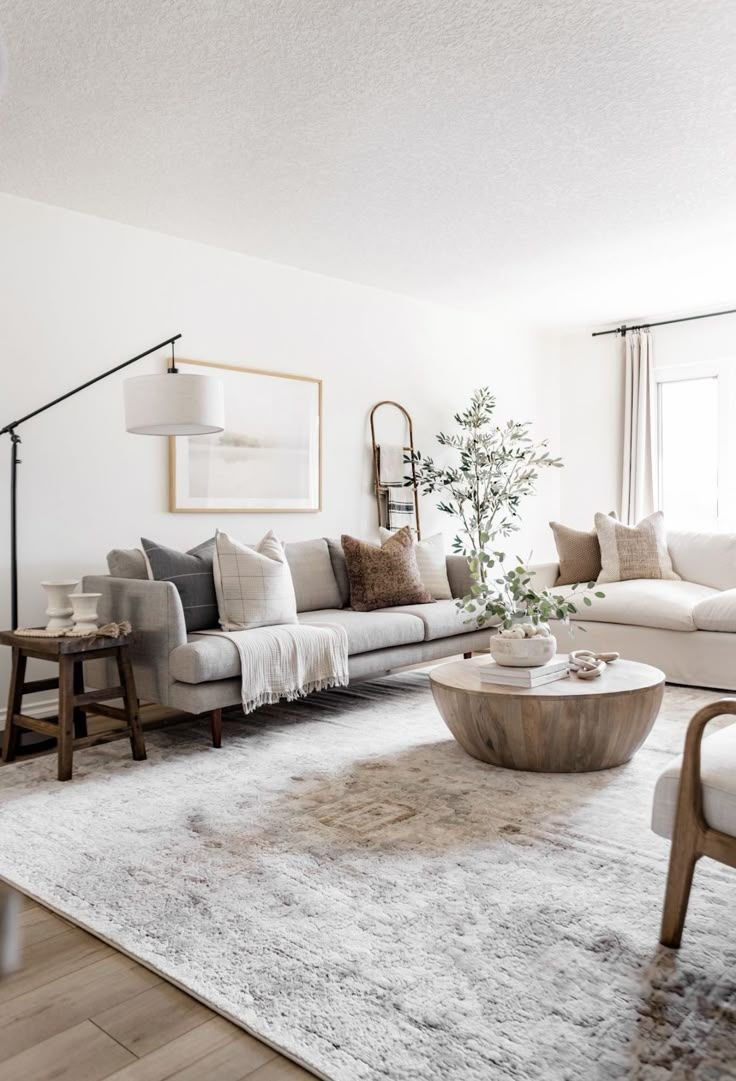
You don't need dark walls to create warmth.
I often start with a soft neutral base and then add depth through taupe, warm beige, cream, muted brown, olive, dusty blue, charcoal, or deeper earthy tones. These shades create a richer atmosphere without making a room feel gloomy.
Scandinavian designers often use soft whites and light neutrals as a foundation, then build warmth with layers of textiles and natural materials.
For a neutral room, try combining:
- Warm white with oatmeal
- Beige with chocolate brown
- Soft gray with charcoal
- Cream with muted olive
- Taupe with warm wood
- Dusty blue with natural linen
I particularly like the combination of cream, warm beige, medium wood, and charcoal. It feels sophisticated in winter but still works when spring arrives.
And yes, you can absolutely use color. Winter does not require every room to look like a bowl of oatmeal.
Why does lighting matter so much in winter?
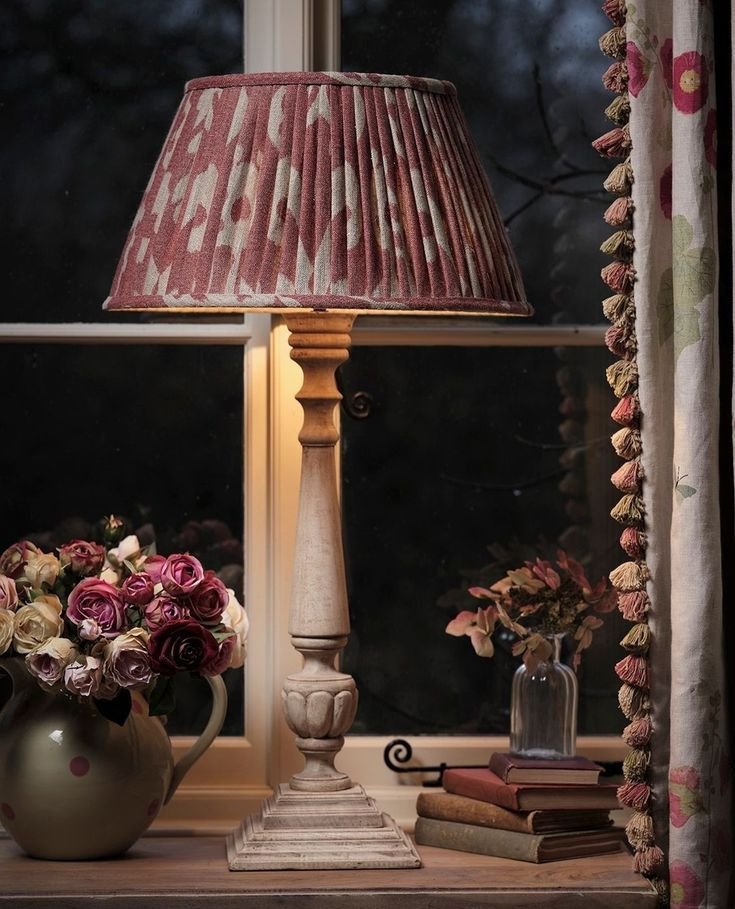
Here's one of my biggest decorating rules: fix the lighting before you buy more decor.
Winter naturally gives us fewer hours of daylight, so artificial lighting carries much more visual weight. A beautiful room can still feel cold when one bright ceiling fixture blasts the entire space.
Architectural Digest recently spoke with designers who recommend layering ambient, task, and accent lighting, with warm temperatures below 3000 Kelvin helping create a softer atmosphere.
"Mood lighting is essential to a home's design."
James Fung, NB Design Group, quoted by Architectural Digest.
I usually prefer three layers: a main light for function, a table or floor lamp for comfort, and a small accent light or candle for atmosphere.
You can also place lighting at different heights. A low table lamp creates intimacy. A floor lamp fills a darker corner. Candlelight adds movement.
Suddenly, the room feels completely different without a single new sofa.
14 winter decor ideas for a cozy home
Now we can get to the fun part.
These winter decor ideas for a cozy home focus on practical changes that can make your rooms warmer and more inviting without forcing you into one specific decorating style.
01Layer chunky throws across your seating
Start with the easiest change.
Add a chunky knit, wool, boucle, fleece, or soft cotton throw to your sofa or accent chair. Don't fold it perfectly. Let it fall naturally over one arm or across the corner.
That slightly imperfect look makes a room feel more relaxed.
I especially like mixing one chunky throw with a smoother pillow or linen cushion. The difference in texture gives the room more visual depth.
Avoid using five different blanket colors, though. You're decorating a home, not opening a textile warehouse.
02Add winter warmth with layered pillows
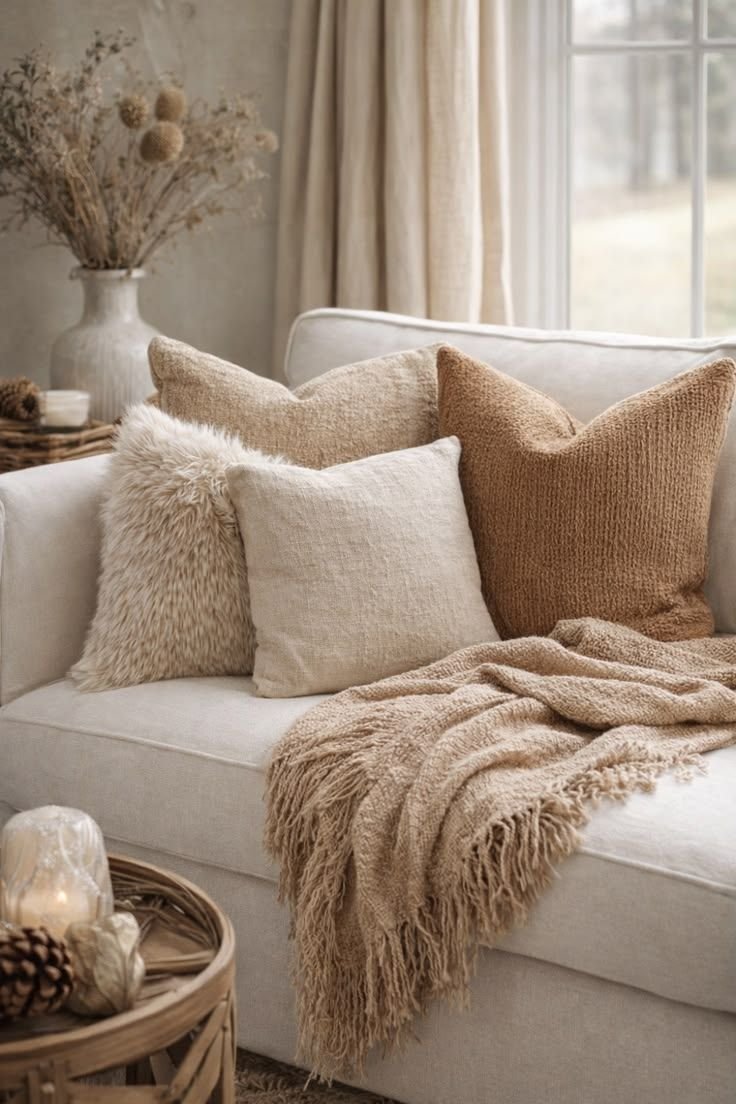
Pillows can completely change the personality of a sofa.
For winter, I like combining different shapes and textures rather than simply buying matching seasonal pillow covers. Try velvet, wool, boucle, corduroy, linen, or knitted fabrics.
Keep the color palette connected to the rest of the room. If you already have neutral furniture, introduce deeper shades through one or two cushions instead of changing everything.
A good combination might include cream, taupe, and chocolate brown.
That small change can make your living room feel noticeably warmer.
03Bring in a soft area rug
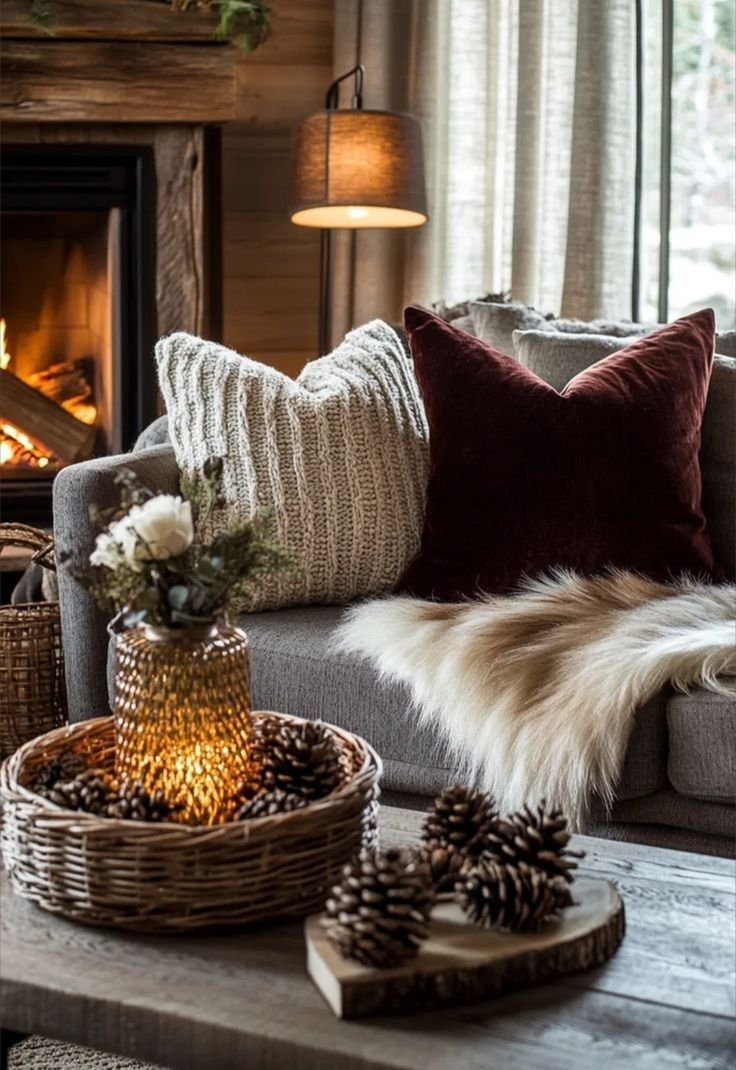
Cold floors instantly kill the cozy mood.
A rug helps visually anchor furniture while also adding softness under your feet. I especially recommend rugs in living rooms, bedrooms, reading areas, and entryways.
You can also layer a smaller textured rug over a larger neutral rug when the room allows it.
That technique works particularly well in relaxed Scandinavian and rustic interiors, where designers often use textiles and layered rugs to introduce warmth.
Choose a rug with enough texture to feel interesting but not so much pattern that it fights with everything else.
04Create a warm winter reading corner

Every home needs one little corner where you can disappear for an hour.
Take a comfortable chair and place it near a floor lamp or window. Add a throw, small side table, and a basket for books or magazines.
That's it.
You don't need an enormous library or a designer chair that costs more than your first car.
I love this idea because it creates a purpose within the room. Instead of decorating an empty corner just because it looks empty, you turn it into a place you actually want to use.
05Use warm lamps instead of relying on ceiling lights
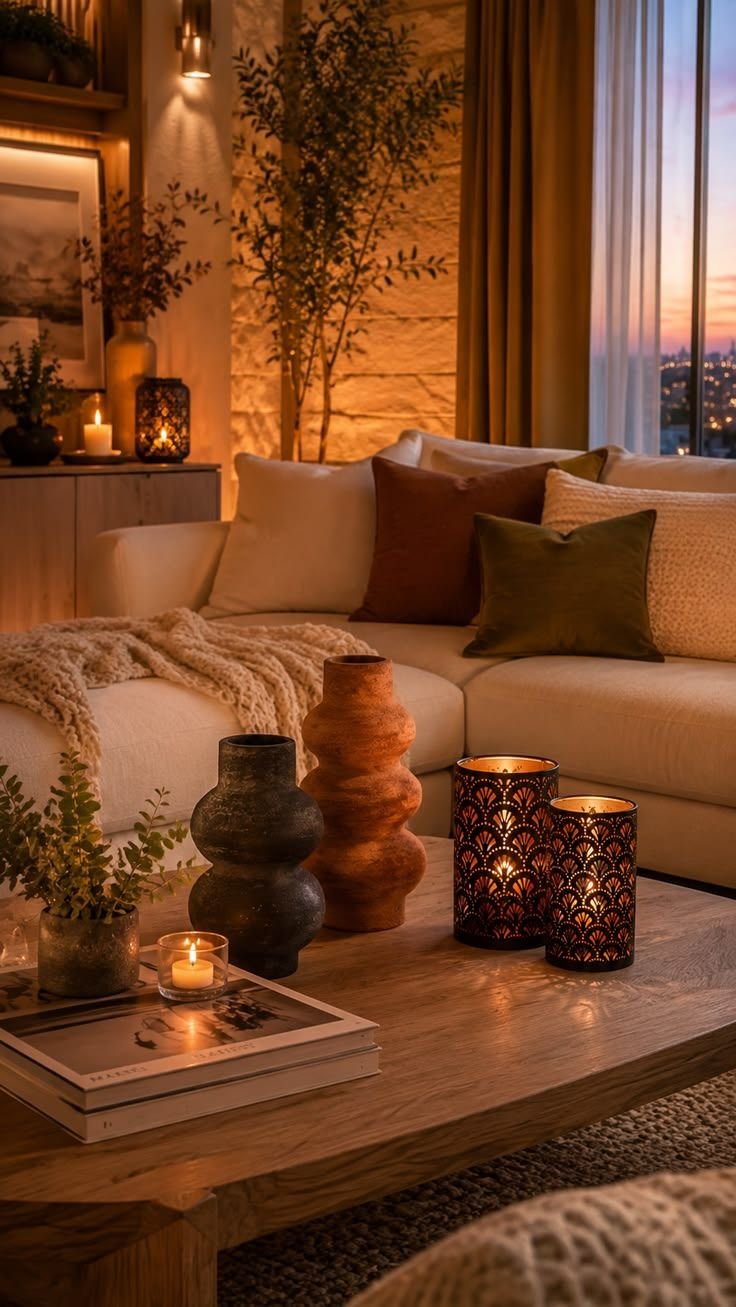
This idea deserves its own place because it makes such a difference.
Replace some of your harsh overhead lighting with warm table lamps, floor lamps, sconces, or portable lights.
Colin King also recommends layering different forms of lighting during darker months, including table lamps, floor lamps, sconces, candles, and uplighting.
"I layer lighting a lot."
Colin King, quoted by Architectural Digest.
I find that a lamp placed beside the sofa creates more warmth than simply turning on a larger ceiling fixture.
And when evening arrives, you can switch off the big light and suddenly your living room gets ten times more atmospheric.
06Decorate with natural winter elements
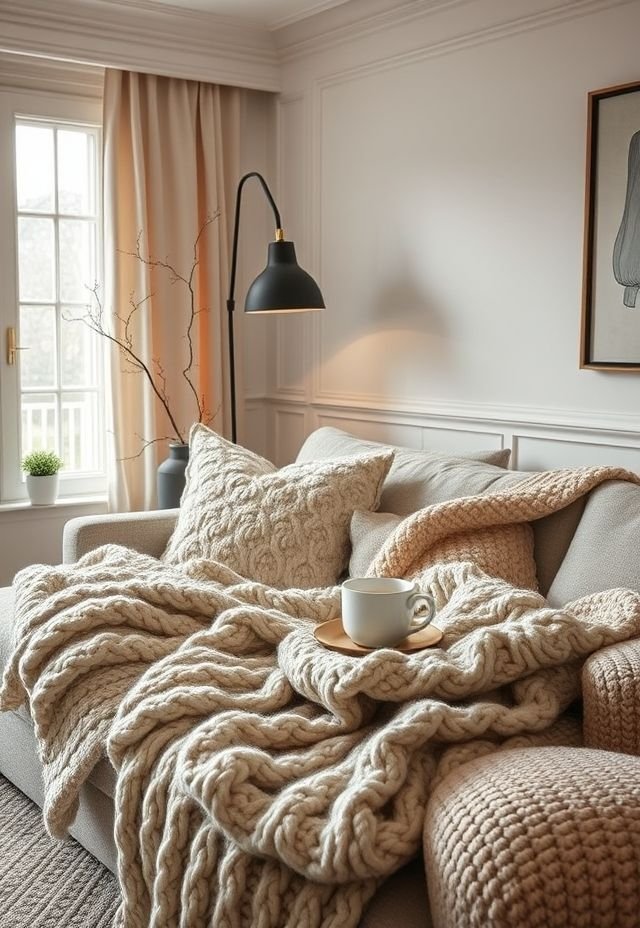
Winter decorating doesn't always need manufactured decorations.
Bring nature indoors through branches, dried flowers, pinecones, eucalyptus, evergreen stems, firewood, stone, ceramic, or unfinished wood.
Place a few branches in a large vase. Add pinecones to a wooden bowl. Put greenery along a mantel or shelf.
The beauty comes from keeping the arrangement simple.
Natural materials also help balance rooms that contain lots of glass, metal, or smooth furniture.
07Add candles for glow and atmosphere
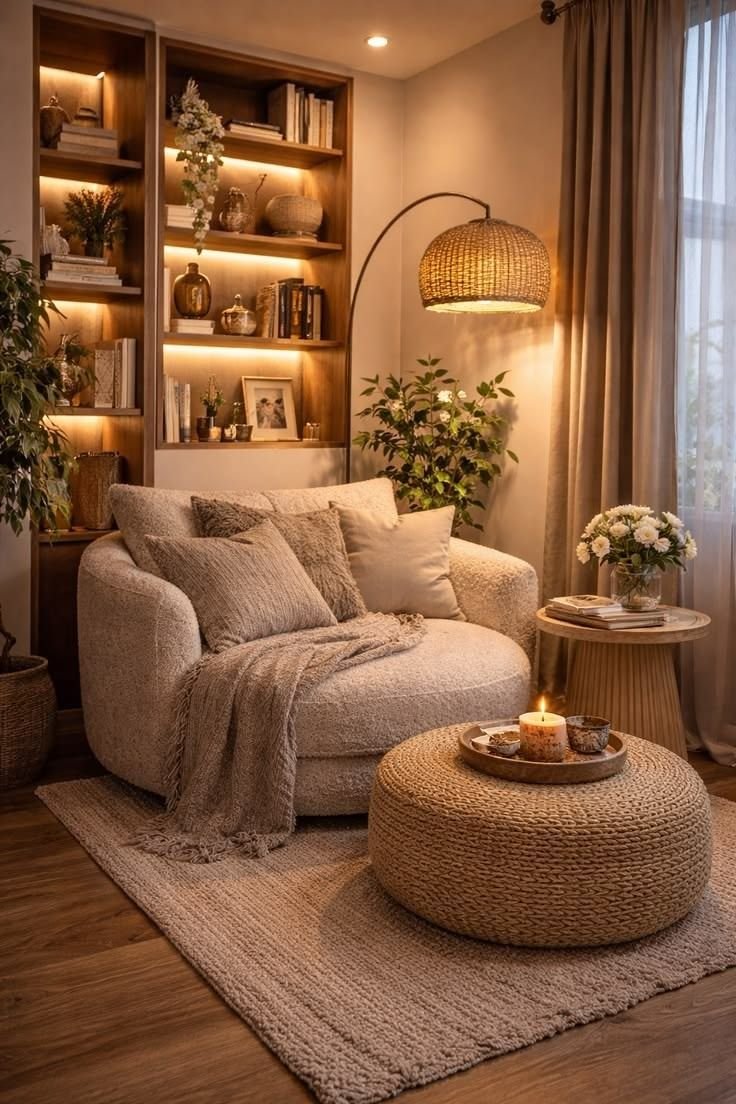
Candles can change an entire evening.
Place them on a coffee table, dining table, mantel, bathroom shelf, or bedside table. Grouping several candles at different heights can create a stronger visual effect than placing one candle alone.
I prefer warm, subtle scents during winter. Think cedar, vanilla, amber, sandalwood, cinnamon, or soft botanical notes.
Recent guidance from Better Homes & Gardens also recommends placing candles around moments when people naturally pause, such as coffee, meals, or bedtime.
Just remember that candles should add atmosphere, not become the only light source in a room.
08Make your bedroom feel like a winter retreat
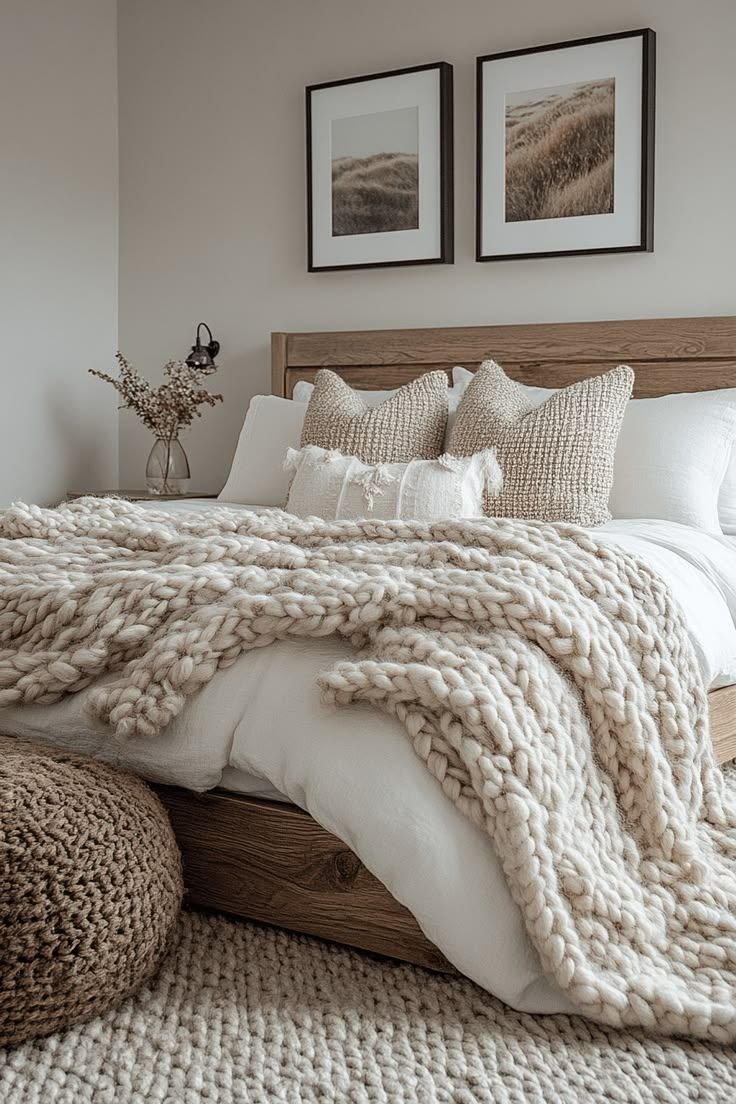
Your bedroom deserves extra attention during winter.
Start with the bed because it takes up so much visual space. Add a heavier comforter, textured duvet, soft pillows, and a throw at the foot of the bed.
You can also introduce warmer shades through bedding rather than repainting the room.
Architectural Digest recommends layering fabrics, colors, textures, and lighting when creating a cozy bedroom.
I particularly like soft taupes, creams, muted browns, dusty greens, and deep charcoal for winter bedrooms.
The goal isn't to make your bedroom look darker. The goal is to make it feel softer.
09Use heavier curtains for winter warmth
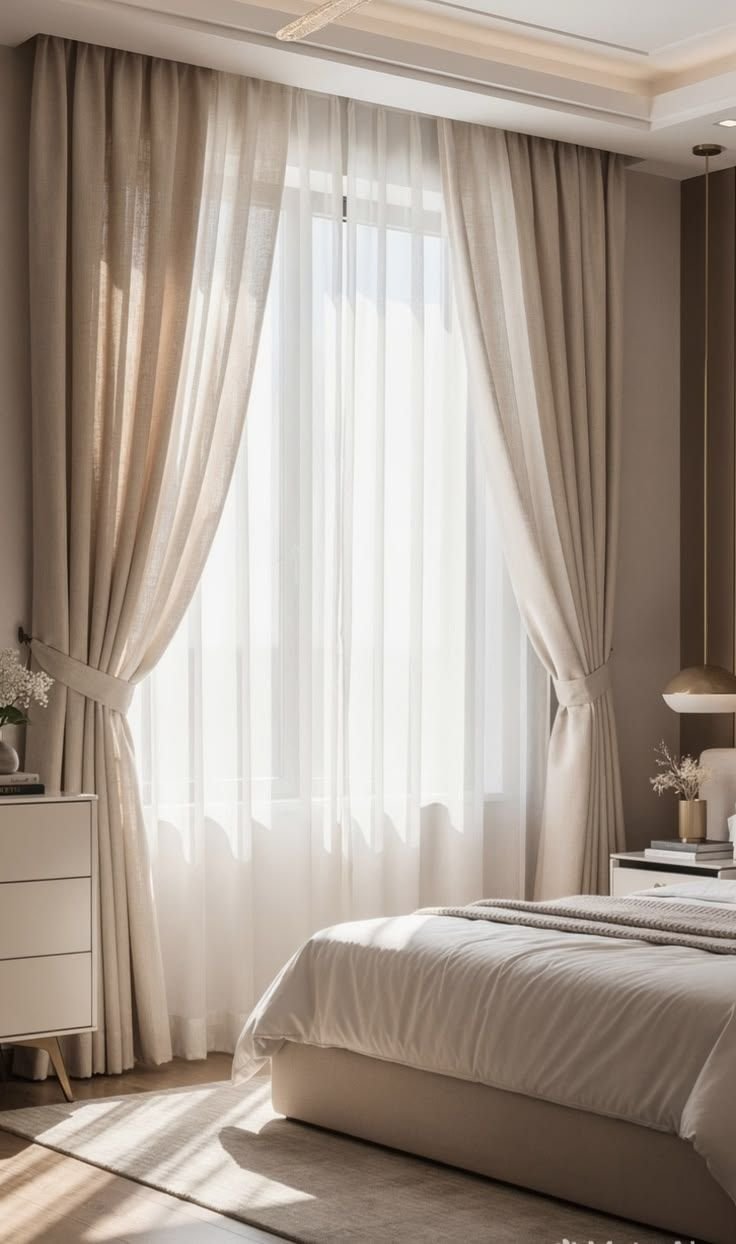
Curtains often get overlooked when people think about winter decor ideas for a cozy home.
Try replacing thin summer curtains with heavier linen, velvet, cotton, or thermal curtains. They give windows more visual weight and can make the room feel more enclosed and comfortable.
You can also layer sheer curtains with heavier outer curtains.
Architectural Digest recently highlighted layered window treatments as a way to add depth while giving rooms greater control over privacy, light, and atmosphere.
I like this idea because you can keep the room bright during the day and create a more cocoon-like feeling at night.
10Add warm wood wherever a room feels cold
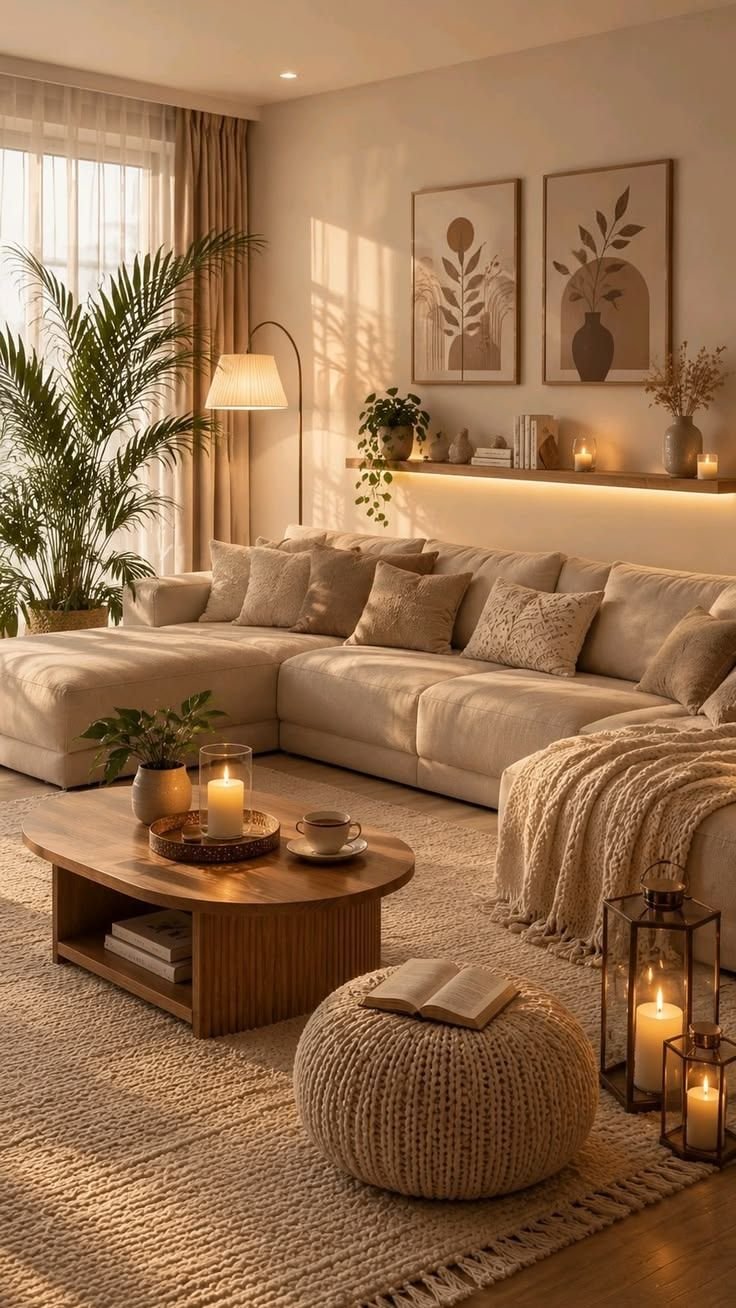
Here's another trick I use frequently.
When a room contains lots of white, gray, glass, or metal, add wood.
A wooden stool, side table, cutting board, picture frame, tray, bench, or decorative bowl can soften the entire space.
You don't need matching wood everywhere. In fact, mixing slightly different wood tones often creates a more natural result.
The key comes from repetition. Add wood in two or three places so the material feels intentional.
11Create a cozy winter mantel

Your mantel can become the visual anchor of your winter living room.
Start with one larger focal point, such as a mirror, artwork, or wreath. Then add smaller elements around it.
Try combining:
- Greenery
- Candles
- Ceramic vessels
- Small wooden objects
- Books
- Pinecones
- Brass or aged metal accents
Keep some empty space between objects.
A mantel looks much better when the eye can rest than when every inch carries a decoration.
12Give your dining table a softer winter look

You don't need a huge holiday tablescape.
Instead, create a simple winter centerpiece with natural materials. Use a linen runner, ceramic plates, wooden serving pieces, candles, and greenery.
I like tables that feel approachable rather than overly formal.
A bowl of seasonal fruit can also create an easy centerpiece. Apples, pears, pomegranates, or citrus can add color without making the table look overly decorated.
Your dining table should still have enough room for actual dinner. Revolutionary concept, I know.
13Style your shelves with books and meaningful objects
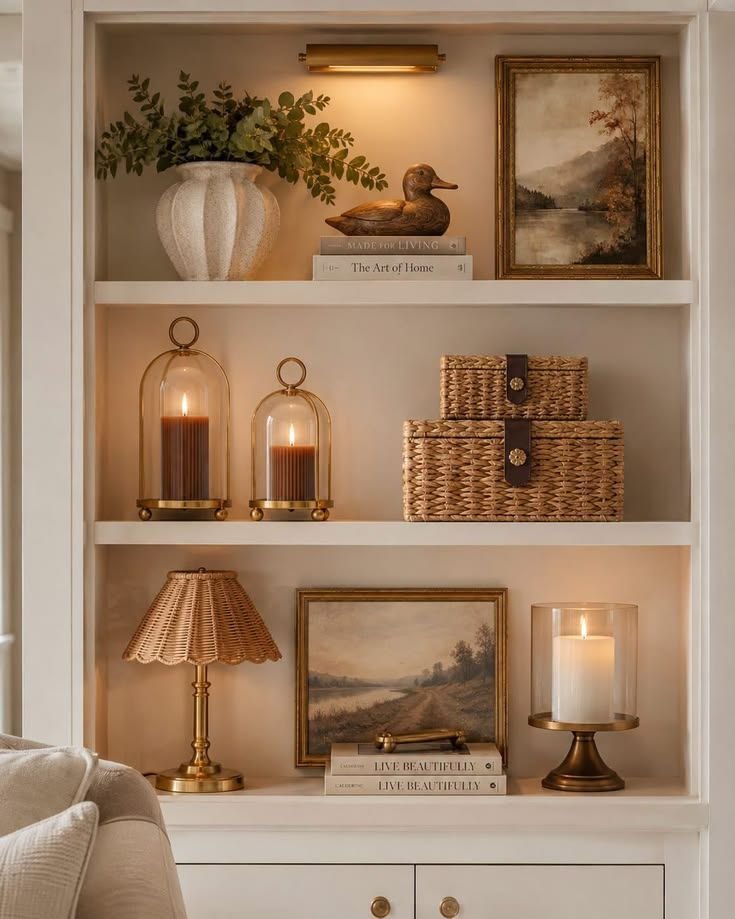
Shelves can easily become clutter magnets.
For winter, I prefer styling them with books, ceramics, framed artwork, baskets, wood, and a few seasonal pieces.
Stack some books horizontally and place a small object on top. Leave breathing room around larger pieces. Mix taller and shorter objects to create rhythm.
Most importantly, use things you actually like.
A room feels much more personal when your shelves contain objects that tell your story instead of decorations you bought simply because they matched.
14Build a cozy winter color palette
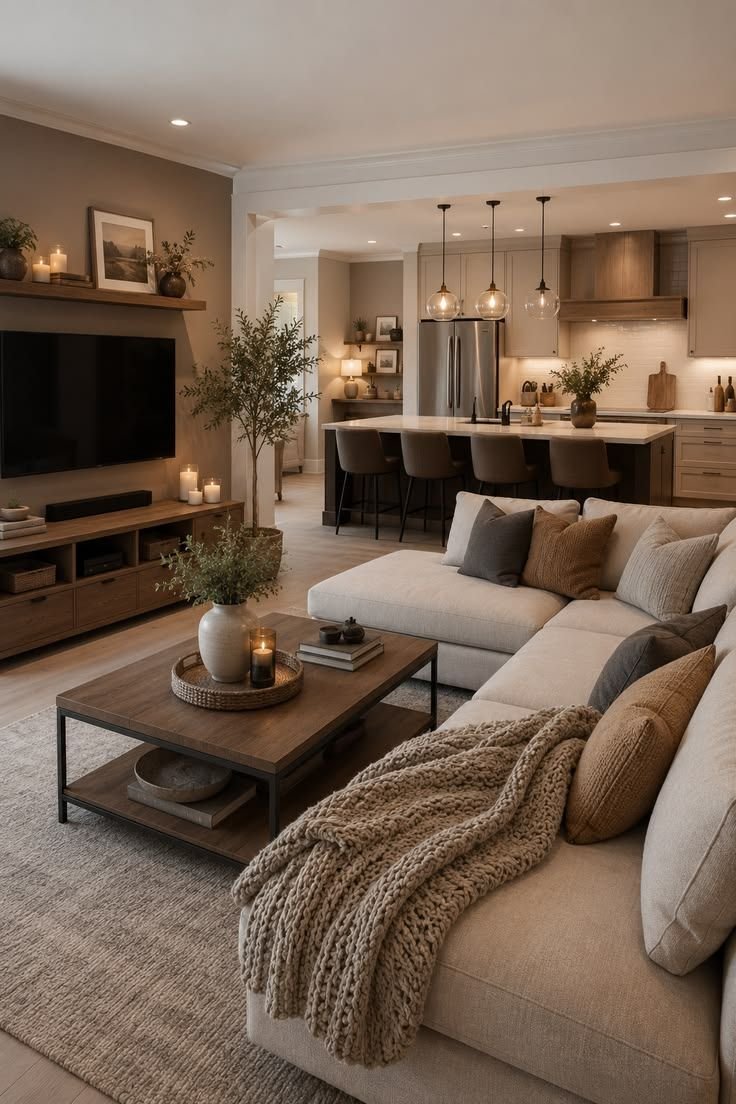
The final idea brings everything together.
Instead of decorating each room separately, create one winter color palette that appears throughout the home.
You could use:
Cream + warm beige + brown + charcoal
Or:
Soft white + taupe + muted olive + natural wood
Or:
Warm gray + dusty blue + cream + walnut
A consistent palette helps the entire home feel connected.
I often use this approach when planning seasonal decor because it stops the house from feeling like four different decorating projects fighting for attention.
How do you make winter decor look expensive?
Here's the secret: expensive looking rooms usually rely more on restraint than on expensive objects.
You don't need to fill every surface.
Focus on texture, scale, lighting, and composition. Use fewer objects but give those objects more space around them.
For example, one large ceramic vase can look more sophisticated than six tiny decorative pieces scattered across a shelf.
The same principle applies to textiles. One beautiful oversized throw can create more impact than several cheap seasonal blankets.
Interior designers frequently emphasize layering rather than simply adding objects. Architectural Digest's winter design guidance also highlights tactile fabrics, wood, natural elements, and warm lighting as key tools for creating depth.
Common winter decorating mistakes to avoid
Sometimes making a home cozier means removing something.
One common mistake involves using too many dark colors. Winter already brings darker days, so adding heavy shades everywhere can make a room feel smaller.
Another mistake involves matching every piece too closely. When every pillow, blanket, vase, and candle follows the same color and pattern, the room can lose personality.
I also avoid excessive seasonal signage. A little winter character feels charming. Turning your living room into a holiday gift shop does something entirely different.
Finally, don't ignore function.
A cozy room still needs clear walkways, useful surfaces, comfortable seating, and practical lighting.
How can you keep your winter decor cozy but not cluttered?
The easiest approach starts with editing.
Before adding something new, remove one or two things that no longer contribute to the room.
Then focus on the areas people actually use.
Your sofa deserves a blanket because people sit there. Your reading chair deserves a lamp because someone will read there. Your bedroom deserves soft bedding because you will actually sleep there.
That simple logic keeps winter decor ideas for a cozy home practical rather than purely decorative.
You can also rotate seasonal accessories rather than piling them on top of existing decor. Store a few summer cushions and decorative objects, then bring out winter pieces.
Your home gets a seasonal refresh without looking overwhelmed.
The real secret behind a cozy winter home
After experimenting with different decorating styles, I've learned that the most successful winter decor ideas for a cozy home rarely depend on one spectacular purchase.
They depend on small changes working together.
Warm lighting makes the room feel softer. A rug makes the floor feel warmer. Textured pillows make the sofa look inviting. Wood adds natural warmth. Curtains create visual softness. Candles add atmosphere. Personal objects make everything feel like home.
You don't need to copy a showroom.
You need to create a room that makes you want to stay.
That might mean drinking coffee beside the window on a cold morning, reading under a blanket in the evening, or sitting on the sofa while rain taps against the glass.
Those ordinary moments give cozy decor its real purpose.
So start small. Change the lighting. Add one beautiful throw. Bring in some natural greenery. Warm up your color palette. Then stop before you feel tempted to decorate every available surface.
Because the best winter home doesn't shout, "Look at my seasonal decorations."
It quietly says, "Stay awhile."
Filed under